

Partial victory for poultry and pig sectors in IPPC vote
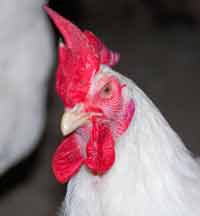
Intense lobbying by the NFU, National Pig Association and DEFRA minister Jane Kennedy has partially paid off, with MEPs voting against some of the proposed changes to a directive which would have seen many smaller pig and poultry farms face stringent environmental measures.
The European Parliament yesterday voted to drop its proposed lowering of the thresholds under which poultry farms have to comply with the onerous Integrated Pollution Prevention and Control Directive. It would have seen the 40,000-bird threshold lowered to 30,000 for laying hens, 24,000 for ducks and 11,500 for turkeys.
This success comes after a period of sustained lobbying by NFU members hosting on-farm MEP visits or writing to them highlighting the impact on poultry businesses. This culminated in the DEFRA’s secretary’s unprecedented support for the industry as Ms kennedy went to Brussels last week to lobby MEPs directly alongside industry leaders.
There was also partial success on the manure spreading proposal in that units already covered by nitrate vulnerable zones will not have to undertake additional IPPC requirements when spreading off site.
But there was disappointment that MEPs backed “Equivalent Nitrogen Rates”, which could affect more than 300 pig units, as well as many poultry units. This proposal will see some units which are below the thresholds for individual species, but housing a mixture – such as sows and finishing pigs on pig units or chickens, ducks or turkeys on poultry units – coming under the rules.
There was also disappointment for the horticulture sector, which will see tougher rules. But the NFU has vowed to continue fighting the changes, as the proposals now go to Council.
NFU deputy president Meurig Raymond said: “I would like to thank MEPs and ministers, particularly Jane Kennedy, for their support which added significant weight to the vote. This has given us clear priorities for the next stage when the directive goes to council.
“IPPC is by far the most comprehensive environmental regime we have seen and the effects of these changes could be very serious, adding significant costs and burdens, especially to smaller pig and poultry units. Most are small, family-run businesses with limited capacity to manage the very broad nature of IPPC and what’s needed to fulfil implementation and compliance.”