

Rapid action needed to tackle Schmallenberg
Urgent action must be taken by EU countries to tackle the Schmallenberg virus, which now stands at 40 confirmed cases in the UK, the NFU has said.
The development of a rapid field test to identify animals infected with the Schmallenberg virus and a vaccine to protect vulnerable livestock are top priorities, the union said.
The virus has been found in sheep, cattle and goats and the number of livestock infected with the disease continues to rise.
There are now nearly 800 confirmed cases across five European countries, including Germany, France and Belgium.
In the UK, latest figures from the Animal Health and Veterinary Laboratories Agency (AHVLA) show 40 confirmed cases, of which 39 are in sheep and 1 in cattle.
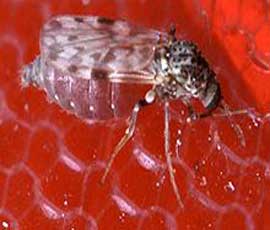
Scientists are working hard behind the scene to pinpoint the exact source of the virus, thought likely to be midges, and develop a vaccine, which could take up to two years.
However, the NFU is calling for more collaboration between EU countries to develop quickly a reliable on-farm test and vaccine to protect our animals.
NFU vice-president Gwyn Jones met with European Commission officials and farm leaders from across Europe to discuss the worrying spread of the virus at an EU Animal Health Advisory Committee in Brussels on Friday (17 February).
Mr Jones, who is also a livestock farmer in West Sussex, said collaborative action would be essential to stamp out the disease.
“This deadly disease is spread by midges that have no respect for Member State boundaries, it is therefore important that we work together with our neighbours to share information and technology to stop its spread,” he said.
“I have also stressed to my colleagues and EU officials the need for us to continue to communicate exactly where the disease is emerging so that we can track the trajectory and speed of its spread across Europe.”
In the short term, Mr Jones encouraged farmers to continue to check their animals and report any suspicious symptoms to their vet.
Symptoms in adult cattle and sheep include increased body temperatures over 40°, impaired general condition, anorexia and reduced milk yield. In newborn livestock, the symptoms are much worse. They include deformities, fused limbs and still births.
See our Schmallenberg special report page