Careful feedstock choice makes biogas AD up
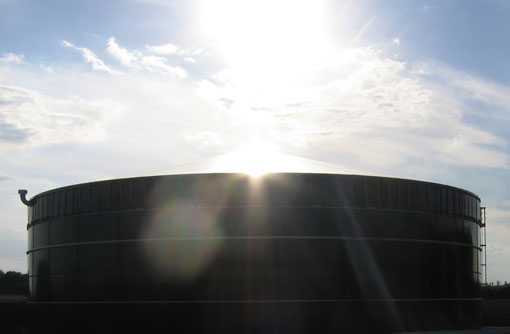
An anaerobic digester is like a living creature, which needs to be treated with as much care as any animal. Giving your digester a balanced diet is the key to success.
“What you put into a digester has a large bearing on what you get out of it, and like a cow you need to feed it correctly to get the most out of it,” says Lucy Hopwood, NNFCC head of biomass and biogas.
“We’ve found that by using a modest amount of crop material like maize or grass silage, an average digester can increase its energy output tenfold for only three times the capital cost, but for smaller digesters just using slurry may offer the most financially attractive option.”
Ms Hopwood recently won the British Institute of Agricultural Consultants Young Consultant of the Year award for her work on farm-scale anaerobic digestion plant efficiency and knows first-hand the pitfalls of building an anaerobic digester.
“There is nothing worse than investing money in something that doesn’t work, but a little knowledge goes along way,” she says. “Consider carefully not only the quality but also the quantity of feedstock you have available on-farm before building a digester, because in AD size matters.”
Keep it simple
Many believe that smaller systems – say 130 dairy cows with followers and a 50kWe digester – could be the future and with the right balance of feedstocks they can offer attractive returns on investment.
At a small-scale the most attractive rates of returns come from digesters that only use slurry. This is largely due to the cost of growing and using crops, which eat away at profit margins.
These costs could be avoided by using food waste to supplement slurry-systems and charge a gate-fee. But this isn’t always possible for farm-based systems because of the biosecurity risk and remote location.
You’ll often find the avoided costs and potential income from substituting crops with food waste are counteracted by the added costs and complexities at the planning stages. There are additional technology demands for pre-treatment, handling and storage, and the extra regulatory burden for securing operating permits, waste transfer licenses and PAS110 approval for digestate.
Such costs can stretch to tens or even hundreds of thousands of pounds and can add months to the development timeframe, delaying income and increasing debt.
To avoid this and increase energy output to warrant a grid connection for exporting electricity, then using some crop material is a good idea, as slurry alone has such a low energy value. The most popular crops to use are grass or maize silage, but other options include sugar beet, fodder beet or wholecrop cereals.
“The best feedstock for your plant is whatever grows best on your farm,” Ms Hopwood says. “Make the plant work for your existing farming system, don’t try and change how you farm to make the AD plant fit – that’s when these things usually fail.”
Crops for bigger systems
At a larger scale – say 500 dairy cows with followers housed all year and a 500kWe digester – the most economically attractive option would be to supplement slurry with the same amount of crop material. At this scale the digester still qualifies for the Feed-in Tariff subsidy, intended for small-scale electricity generation, but maximises energy output and financial returns.
Using a high proportion of crop material in your digester needs special consideration as it normally requires different technology because the feedstock is much drier. The same issue applies if you have a high dry matter manure element in the mix.
Under these circumstances it may be more beneficial to operate a “dry” digester; but this requires a longer retention time in the tank and therefore reduces throughput, requires larger capacity and increases your initial costs. An alternative might be to add water or recirculate dirty water from the anaerobic digestion process back through the system, but this would again increase the size and cost of the system.
Constant diet
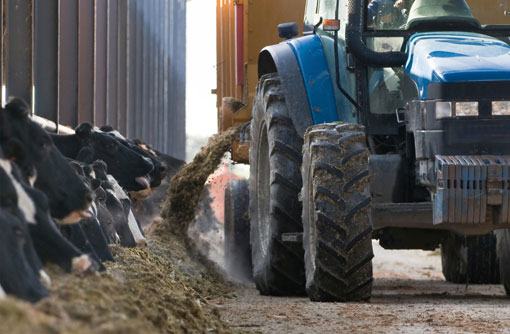
Keeping the diet of a digester constant can also be tricky, particularly when feedstock availability changes throughout the year – like when cows are turned out to grass – and many farmers want flexibility. Thankfully the diet of an anaerobic digester can be adjusted to allow for changes in feedstock supply, as long as these changes are planned and made slowly giving the bacteria time to adapt within the tank.
Larger digesters are less sensitive to changes in diet and also benefit from economies of scale, so rates of return can be between 10 and 15% thanks to current government subsidies.
In the commercial sector this rate of return might not look attractive to investors, but for agricultural lenders where land or property can be secured against the finance, it’s more acceptable.
The future
Smaller digesters tend to be more expensive relative to their output yet they represent the biggest opportunity for the UK. We have over 100,000 livestock farmers and many of these don’t have access to enough feedstock or capital to build a large scale digester.
If we can get more gas from feedstocks, use the heat produced to create an additional income stream and reduce capital costs then the economics of small-scale anaerobic digestion will really start to look attractive.
The recent boom in the solar PV industry means there is no scope for an increase in government subsidies for small-scale anaerobic digestion, so we need to look at other ways of making it more financially attractive.
The launch of the government’s AD Strategy & Action Plan last year prompted a new loan fund and a competition to drive innovation, expand our knowledge and reduce the cost of small-scale and rural anaerobic digestion by up to a third. WRAP – the government organisation responsible for waste and recycling – is running this competition and believes the development of low cost, small-scale, replicable, modular anaerobic digestion systems could stimulate farmer interest and help to develop sales in the UK and beyond.
In the longer term this could see the government gradually reduce support for anaerobic digestion in line with the decreasing cost of the technology, but it is also likely to reassure investors and lenders over the capital costs associated with construction.
Find out more at www.biogas-info.co.uk, which is managed by the NNFCC on behalf of the industry and provides a free resource for those looking to get involved in AD.