
Alternative Land Uses - Renewable energy
About Renewable energy
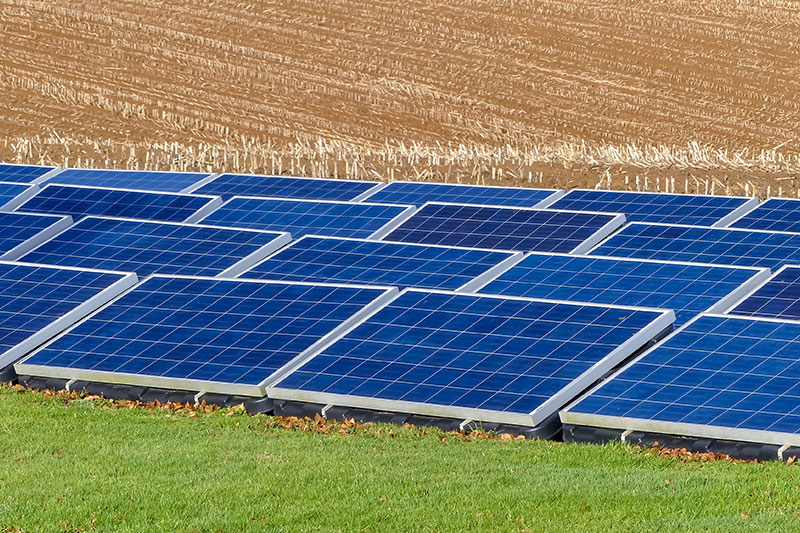
Farm-based renewable energy projects can provide new sources of income and/or lower costs. There are many ways to achieve this, from renting out land for a long-term solar, battery or turbine lease, to a wide range of smaller installations that will cut farm energy costs and contribute to a more sustainable future for the business overall.
The supply chain from the farmgate onwards is already looking to agriculture to reduce its carbon footprint and, in turn, that of the whole chain, so investing in or hosting renewable energy projects can also have wider benefits from environment, social and governance perspectives.
So, what are the challenges and how can they be overcome?
Join Farmers Weekly live in June as an expert panel considers issues such as the availability of land, planning permission, the legal and tax implications, grid connectivity, regulatory and political uncertainty and community engagement.

Expert advice
Gain critical insights and guidance from those who built a diversification business

Case study tours
View the site/project on the day to see how it was diversified to create a new income stream

Networking opportunities
Meet like-minded farmers from across the UK farming industry to share experiences and ideas

Hear from speakers
Have your questions answered and discuss your ideas with professionals and peers
Headline partner - Renewable energy
Conrad Energy
Conrad Energy is a leading UK energy company, we’re powering the move towards renewables through innovation and technology.
We supply energy to the National Grid and to businesses around the UK, offering short- and long-term contracts which cut both costs and carbon.
Agenda
| 09:10 |
Networking breakfast/coffee |
| 09:25 |
Welcome from Suzie Horne, business editor at Farmers Weekly |
| 09:30 – 09:55 |
Guide to planning for renewable developments |
| 09:55 – 10:20 |
Guide to better farm energy use |
| 10:20– 10:45 |
Guide to tax implications for renewable developments |
| 10:45 – 11:00 |
Quick coffee/comfort break |
| 11:00 – 11:25 |
Behind the meter – focus on solar rooftop to reduce energy demand and generate revenue |
| 11:25 - 11:50 |
Guide to legal implications for renewable developments |
| 11:50 – 12:15 |
Guide to large scale solar developments |
| 12:15 – 12:40 |
Host farmer’s presentation |
| 12:40 – 14:00 |
Lunch and group site tours |
| 14:00 – 14:35 |
Opportunities and challenges: Panel session with all speakers |
| 14:35 – 14:40 |
Closing remarks |
Meet the host
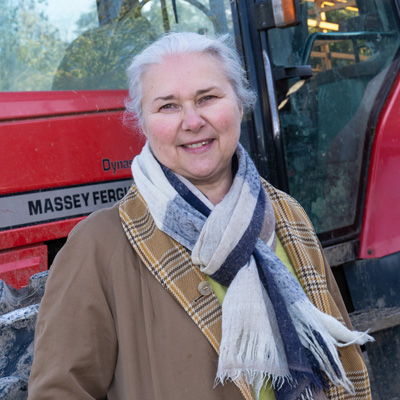
Suzie Horne is Farmers Weekly’s Business Editor. She has a Yorkshire family farming background and an HND in agricultural marketing and business administration.
Suzie has an extensive background in agricultural journalism and is interested in all farm business and rural issues.
Speakers
Mark Charter
A highly experienced agricultural partner with expertise in development of land, Mark is partner at Thrings...
Mark Charter
A highly experienced agricultural partner with expertise in development of land, Mark is partner at Thrings, advising farmers, estate owners and the wide landowner community on a wide range of land matters.
Along with the buying and selling of farms, estates and businesses, he advises clients on contracts and tax planning matters for farming businesses and families.
He has also advised government departments on agricultural decisions.
Mark is a Fellow of the Agricultural Law Association.
Much of Mark's work focuses on agricultural law, such as FBTs, AHA tenancies, contract farming and agri-environmental schemes.
He is particularly experienced in dealing with the sale and purchase of farms, estates and agri-businesses, and in cases involving high-value secured lending for farms and estates.
Mark has a special interest in the equine space. He has advised client on setting up polo yards and on the sale and purchase of studs, racing yards and estates.
Supporting the Development of Land team with his agriculture expertise, Mark advises landowners on option, promotion and hybrid agreements for development.
He has unique expertise in creating deals that allow farming businesses to continue until land development and planning arrangements efficiently for tax purposes.
Mark's advice extends beyond the immediate development deal and he helps position farming businesses and their families for the future. He also advises on diversification projects, including renewables for landowners.
George Hall
George leads on ‘Front of the Meter’ renewable development for Conrad Energy and is part of an expert team managing a diverse and growing energy portfolio.
George Hall
George leads on ‘Front of the Meter’ renewable development for Conrad Energy and is part of an expert team managing a diverse and growing energy portfolio.
Along with the buying and selling of farms, estates and businesses, he advises clients on contracts and tax planning matters for farming businesses and families.
He develops both solar PV and battery storage sites, such as their 43MW solar farm in Herefordshire and a 50MW battery storage site in Somerset.
George grew up on a farm so understands the fine balance between the need for carbon reduction and the importance of our traditional countryside.
With over 17 years in renewables, he has a wealth of experience in both utility scale and on-site generation projects and over the past 18 months has built a strong pipeline of over 550MW of solar PV and 850MW of battery schemes. Some of his previous clients include Bentley Motors, JP Morgan and the MOD.
Tim Foster
Tim is head of energy services for Conrad Energy, the UK’s market-leading flexible power company focused on enabling the UK’s transition to a low carbon economy.
Tim Foster
Tim is head of energy services for Conrad Energy, the UK’s market-leading flexible power company focused on enabling the UK’s transition to a low carbon economy.
Part of an expert team that manages a diverse and growing energy portfolio, he is responsible for developing their power purchase agreement (PPA) and energy supply business.
Previously head of origination for Sembcorp UK's energy activities, Tim also worked as head of UK services for the pioneering Irish energy trading company ElectroRoute.
Prior to this he spent seven years at Statkraft as head of renewable origination with responsibility for establishing Statkraft’s PPA business within the UK, five years at SmartestEnergy and over four years at British Energy.
Kate Hardy
Kate Hardy joined Albert Goodman in late 2018, working as a manager in the Farms and Estates team, based in its Weymouth office.
Kate Hardy
Kate Hardy joined Albert Goodman in late 2018, working as a manager in the Farms and Estates team, based in its Weymouth office.
Kate has worked in practice for over 20 years, working closely with both rural-based and small business clients in the Dorset and Somerset area.
With a small business background, Kate specialises in rural diversified businesses such as furnished holiday lets and commercial lettings.
With a keen interest in tax, Kate qualified with the Association of Tax Technicians in December 2015 having been awarded the Somerset and Dorset prize for November 2013 sitting.
Kate is now currently awaiting membership as a chartered tax advisor, having recently passed all of the exams required for membership, specifically Inheritance Tax and Trusts.
David Long
David is a chartered town planning consultant and partner at BCM.
David Long
David is a chartered town planning consultant and partner at BCM.
He spearheads planning and development projects across the country and has first-hand experience of securing (minor and major) planning consents for a wide range of renewable energy projects in rural areas, most of which are now operational.
Nick Keeler
Nick was one of the founding directors of Solar South West in 2009 and commissioned their first 1MW+ roof-top solar installation in the UK at JB Wheaton and Sons in 2011, quickly followed by a 1MWp+ ground-mounted solar farm (one of the first in the UK) at Coombe Farm, Somerset.
Nick Keeler
Nick was one of the founding directors of Solar South West in 2009 and commissioned their first 1MW+ roof-top solar installation in the UK at JB Wheaton and Sons in 2011, quickly followed by a 1MWp+ ground-mounted solar farm (one of the first in the UK) at Coombe Farm, Somerset.
Solar South West specialise in commercial scale solar PV installations bringing the benefit of on-site generation from increasing electricity costs.
Venue
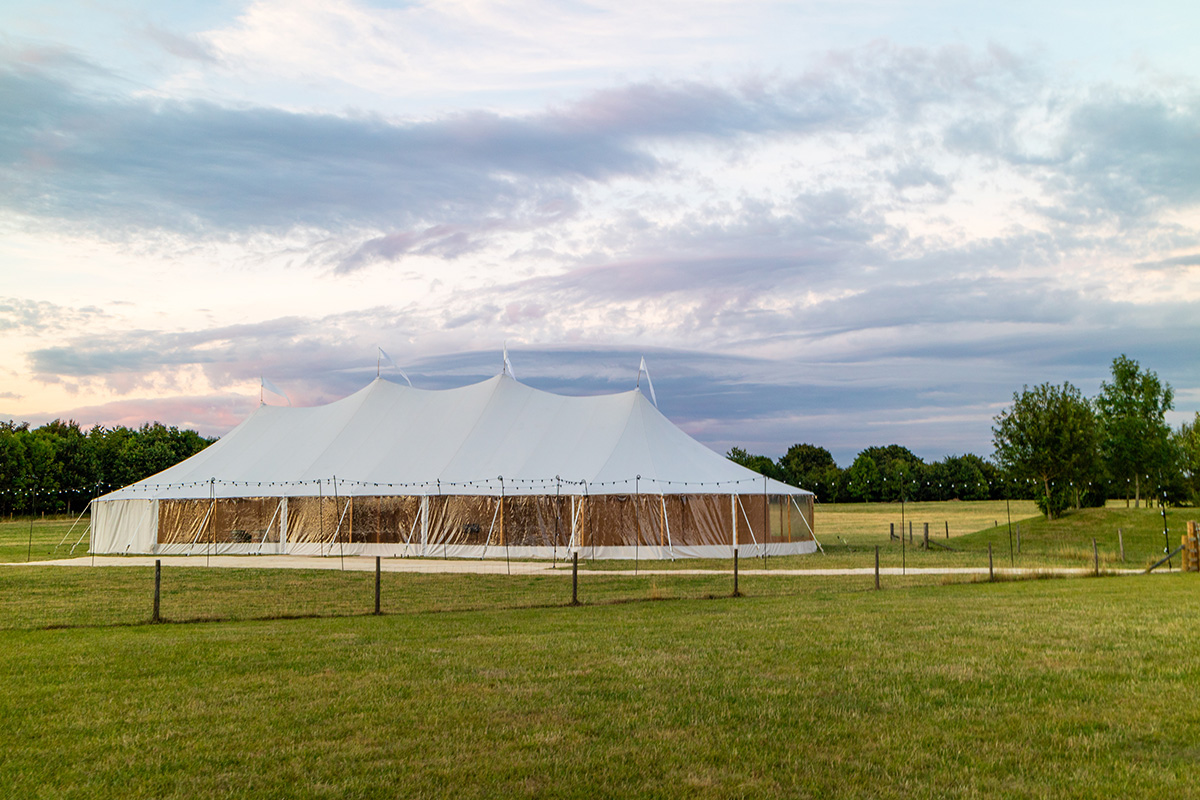
Russell Farm,
Port Lane,
Hursley,
Winchester,
Hampshire,
SO22 5QP
There is ample parking a short walk away, for those with accessibility requirements there is parking directly next to the venue. Winchester Train station is a 10minute drive away.
Pictures of the event
Partners
- © 2026 MA Agriculture Ltd, a Mark Allen Group company