6 new winter OSR varieties added to 2026-27 Recommended List
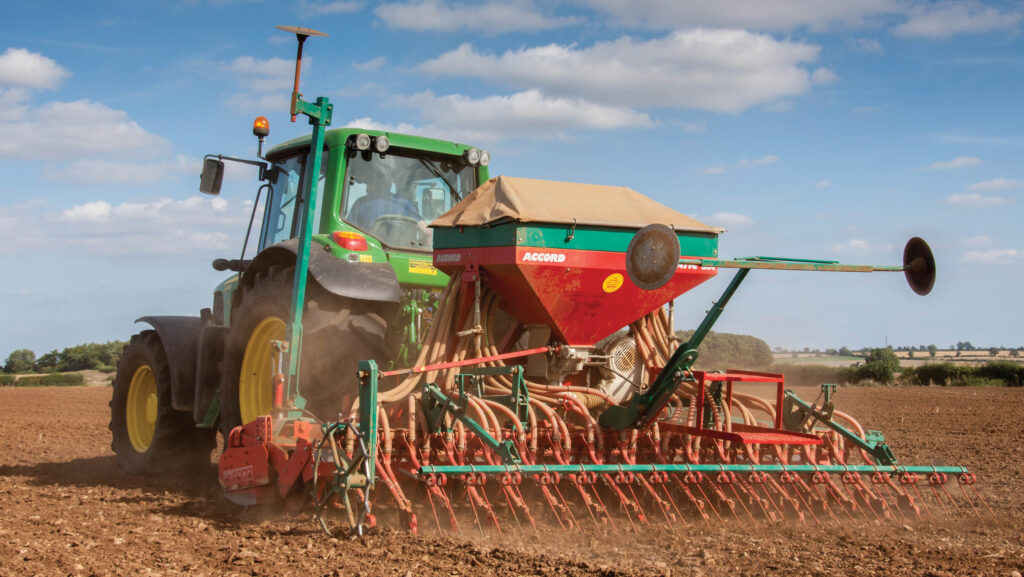 Drilling oilseed rape © Tim Scrivener
 Six new winter oilseed rape varieties have been added to the 2026-27 Recommended List (RL), with some significant steps forward in yield and disease resistance.
The new recommendations bring a refreshing outlook for growers, including three hybrids, a conventional and a herbicide tolerant variety.
“The latest AHDB RL highlights how much ongoing investment is going into hybrid oilseed rape breeding, with three strong new entrants joining the top of the rankings,” explains Beckii Gibbs, seed sales manager at United Oilseeds.
See also: 11 new pulse varieties join PGRO Descriptive List
Three new hybrids
New variety Dompteur (DSV) takes the top spot for the highest-yielding variety on the RL across the UK, both the East/West and North regions.
It has resistance ratings of 8 for both light leaf spot and phoma stem canker, as well as pod shatter and turnip yellows virus (TuYV) resistance, explains Paul Gosling, senior manager for the RL.
“The relatively tall variety has high resistance to lodging, with an 8 for stem stiffness at maturity.
It is early flowering and has resistance to pod shatter,” says Paul.
“Dompteur delivers exceptional gross output alongside high oil content and a comprehensive agronomic package.
“This includes pod shatter resistance, dual phoma resistance and TUYV protection,” says DSV managing director Dr Alex Doering.
All the new hybrids – Dompteur, Karat (NPZ UK) and Domingos (KWS) – each bring strong agronomic packages, with high scores for light leaf spot and stem canker, a continued reflection of the breeding focus on resilience.
“What’s particularly encouraging is how competitive the top end of the hybrid list now is.
“There’s very little to separate the leading varieties, and that level of choice is a clear sign of breeders across the industry stepping up with high-performing genetics,” says Beckii.
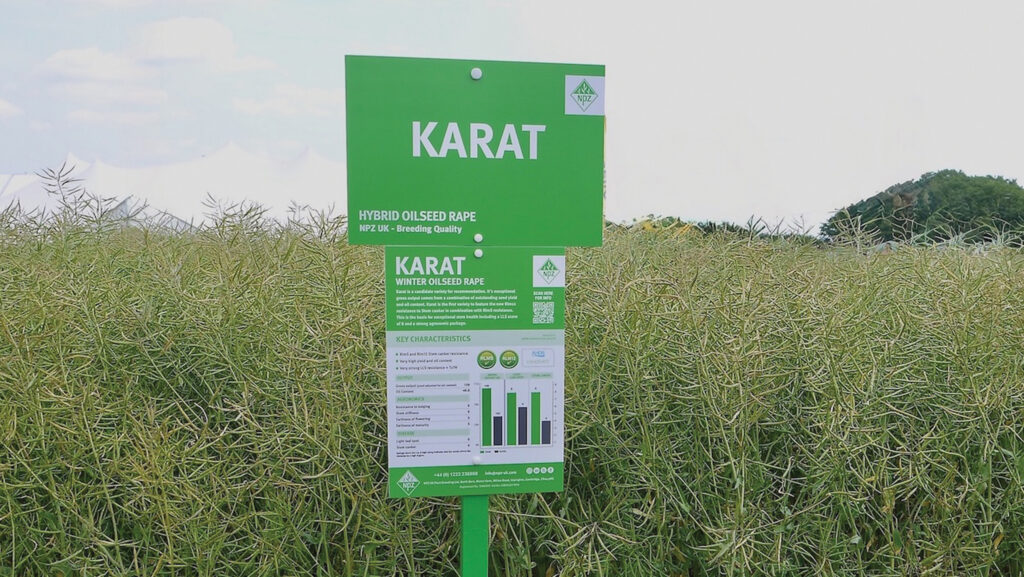
Karat oilseed rape variety © NPZ
Karat matches Dompteur for yield in the East/West region and has disease resistance ratings of 8 for both light leaf spot and phoma stem canker.
“Karat has high resistance to light leaf spot and stem canker combined with resistance to turnip yellows virus and moderate resistance to verticillium,” says Paul.
Domingos is slightly lower yielding in both regions and has resistance ratings of 7 for light leaf spot and 8 for phoma stem canker.
Both Dompteur and Domingos offer pod shatter resistance, which will be welcomed by many growers looking to reduce harvest risk.
New conventional
Bachus, from Jennaway Consulting, edges into the new top spot for the highest-yielding conventional.
It has the highest yields in both RL regions for conventionals, with 98 for the UK, 99 for the North and 97 for the East/West.
It matches other conventionals on the RL, with an 8 for lodging resistance.
It has a similar disease resistance package to existing conventional varieties, with PI Pinnacle and other leading conventional varieties close behind.
“Pinnacle gained significant traction with growers last year, taking substantial market share thanks to its strong performance.
“So it will be interesting to see how this newcomer measures up over a larger area.
“The wider takeaway is: conventional growers continue to have a solid range of options,” says Beckii.
Clubroot-resistant variety
New variety Crios has a specific recommendation for resistance to the common strains of clubroot, though it may be susceptible to strains found in some fields.
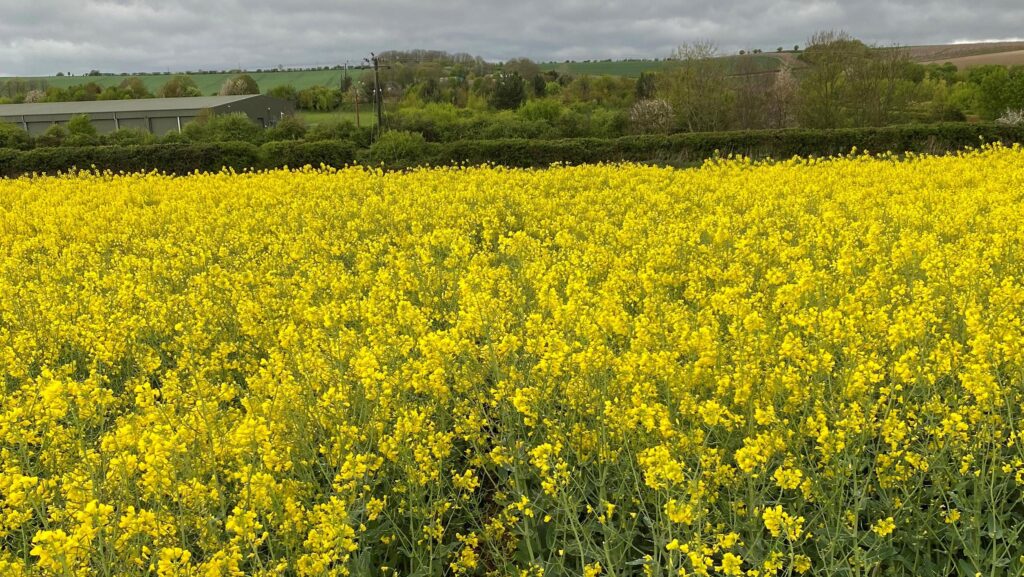
Crios oilseed rape variety © RAGT
It brings a well-rounded profile to the list, particularly with its impressive light leaf spot score of 7.
“With a yield of 97%, it has the characteristics farmers in northern England and Scotland with known clubroot issues are looking for,” says Andrew Creasy, RAGT arable technical manager.
It is not the highest-yielding clubroot-resistant variety in this region, but it has the highest light leaf spot resistance of any variety of this type.
“It yields above average for a clubroot-resistant variety and just behind the market leader, Crusoe,” explains Andrew.
“Crios is early to flower, providing ample opportunity for the crop to set pods right through the canopy in the spring, pushing yields.”
Beckii adds that Crusoe remains the benchmark in this specialist segment, continuing to offer the most complete package across core agronomic traits.
The Clearfield segment
In the Clearfield segment – which saw increased uptake again last season – the arrival of Calvin CL (Limagrain) is noteworthy.
“With a specific UK recommendation and strong gross output, it sits two points above long-standing Matrix CL.
“Calvin’s on-farm performance has been very promising, and in time it may become the natural successor to Matrix – though it’s still early days,” says Beckii.
Clavin CL is the highest-yielding variety in both regions and has good light leaf spot resistance for this group, but it is susceptible to verticillium (based on limited data).
This relatively early maturing variety has high resistance to lodging and good stem stiffness at maturity. It has resistance to pod shatter.
Described varieties – Eriksen
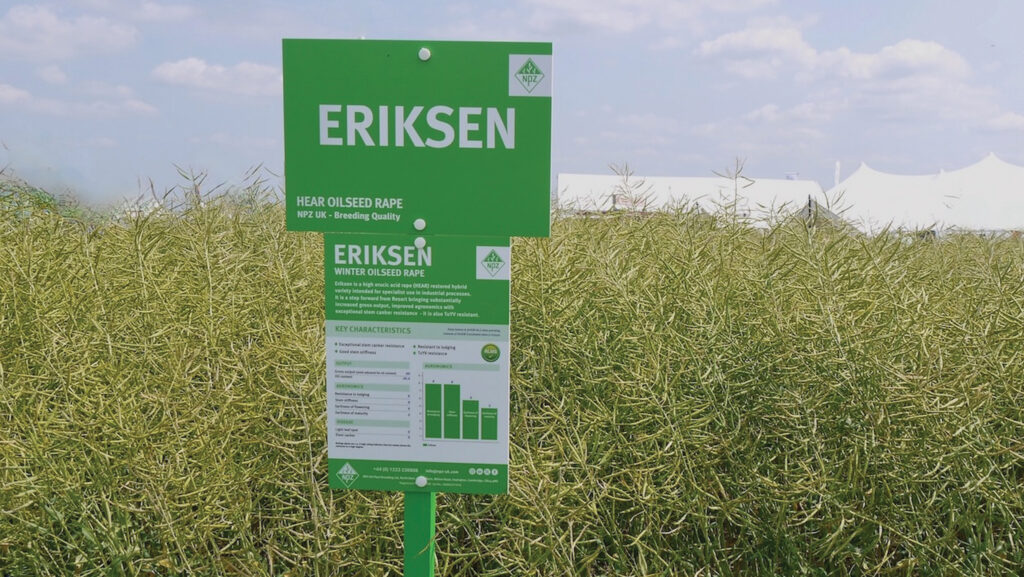
Eriksen oilseed rape variety © NPZ
Eriksen is a high erucic acid oilseed rape (Hear) variety described for the UK.
Hear varieties are destined for industrial uses, such as specialist lubricants, inks, cosmetics and slip agents, as they contain a different oil profile (about 50% erucic acid, compared with less than 2% for “00” varieties).
Eriksen has high resistance to stem canker combined with moderate resistance to verticillium (based on limited data) and resistance to turnip yellows virus.
It has high resistance to lodging, with good stem stiffness at maturity.
New winter oilseed rape varieties on the AHDB Recommended List |
|||||||
|
|
Dompteur |
Karat |
Domingos |
Bachus |
Crios |
Calvin CL |
Eriksen (described) |
|
Trait |
|
||||||
|
Yield UK (%) |
107 |
106 |
105 |
98 |
97 |
94 |
95 |
|
East/West (%) |
107 |
107 |
106 |
97 |
97 |
94 |
96 |
|
North (%) |
108 |
105 |
105 |
99 |
96 |
93 |
90 |
|
Light leaf spot (1-9) |
8 |
8 |
7 |
6 |
7 |
6 |
5 |
|
Stem canker (1-9) |
8 |
8 |
5 |
5 |
5 |
5 |
8 |
|
Verticillium |
[I] |
[MR] |
[I] |
[I] |
[I] |
[S] |
[MR] |
|
Turnip yellows virus |
R |
R |
R |
– |
– |
R |
R |
|
Lodging resistance (1-9) |
7.9 |
8 |
7.9 |
8 |
7.9 |
7.9 |
8 |
|
Stem stiffness (1-9) |
8 |
8 |
8 |
9 |
8 |
8 |
8 |
|
Plant height (cm) |
161 |
163 |
165 |
152 |
148 |
162 |
157 |
|
Earliness of maturity (1-9) |
5 |
5 |
5 |
5 |
5 |
6 |
5 |
|
Pod shatter resistance |
R |
– |
R |
– |
– |
R |
– |
|
Oil content (%) |
46.3 |
46.8 |
46.1 |
45.7 |
45.3 |
44.6 |
46.8 |
|
Source: AHDB Recommended List. Disease resistance and agronomic factors are on a 1-9 scale, with 9 showing the characteristic the strongest; R = resistant, MR = moderately resistant, I = intermediate, S = susceptible |
|||||||