

How to extend the grazing season
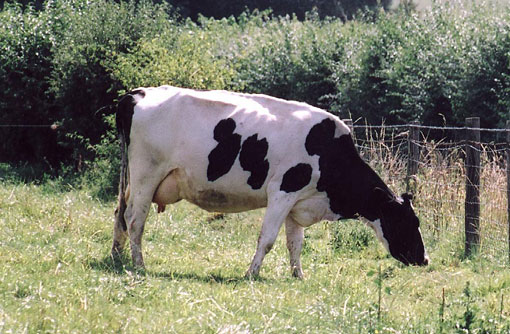
Dairy farmers looking to get on top of rising feed costs can boost profitability by working to extend the grazing season, Gemma Mackenzie reports
Mounting feed costs are hitting margins for many dairy farmers, but by working to get the most out of grazing, these costs can be significantly reduced. And by shifting the focus from the amount of silage in the clamp, a lot can be achieved at a low cost from effective grassland management.
Livestock Improvement Corporation consultant Mike Bailey says everyone can achieve more days in milk off grass by extending the grazing season, so long as they plan ahead.
“Setting the farm up for this will require planning that includes: feed budgeting, planning late season rotation lengths to achieve recognised grass cover targets, and particularly good infrastructure,” he adds.
In addition, Kingshay development director Richard Simpson says efficient grassland management will give dairy farmers one of the biggest returns.
“The key is to plan ahead and be realistic about what the grass can provide. You have to have the infrastructure of tracks and the ability to manage a paddock grazing system. You also need to monitor and plan and have a flexible approach, and adapt the amount of grass available to the conditions at the time.”
Current season
Those looking to make the most out of grass for the remainder of this season, need to measure and manage the grass currently available, says Mr Bailey.
“Extending the season in the short term is a case of knowing what you have in terms of grass cover and careful allocation, taking into account expected growth and use of silage and cake,” he adds.
He advises measuring grass cover and budgeting for its use over the next three months, using a feed budget calculator.
“Grazing farmers will typically target an average whole farm cover of 2,500-2,700kg/ha DM for early October and then run this down with the use of silage and concentrate to a level of 2,100-2,300kg/ha DM that is then carried through the winter ready for spring.
“This is done with the careful use of supplements – silage and concentrate – and knowing exactly what you are growing and what your herd demand is.”
He recommends carefully allocating the proportion of the farm grazed each day – in September rounds of 40 days are typical, finishing with the final round in early to mid October which lasts 50-60 days.
Tracks and gateways
In the long-term, extending the grazing season and making the best use of available grass is highly dependent on the efficient use of tracks and gateways.
Mr Simpson says: “Those looking to optimise the use of grazing have to look at making the best use of every source available and, to give themselves the optimum chance of extending the season, tracks are essential.
“Yes, it’s an expense. But in terms of the investment the farmer makes, I believe it’s the one that gives the highest return in terms of increased profitability. Tracks mean the cows can get out to the grazing quicker and improve grass use.”
He recommends laying out tracks through the middle of the grazing area, with flexible fencing and moveable gateways, in a bid to prevent cows walking over the same piece of grassland too many times.
Mr Bailey adds: “Having good infrastructure is essential to ensure you can get out on pastures without doing any damage to valuable swards. This will mean good tracks with multiple access points to avoid treading damage through heavy traffic areas.”
In addition to well placed tracks and gateways, he says grass should be allocated so as to prevent cows going back to clean up more than twice as this will damage pastures.
“Allocating grass once a day for one feeding and having the cows inside or at a feed paddock for the remainder of the time will help extend the grazing season and mean cows have less time on paddocks that may be getting wet.”
Grass varieties
Extending the grazing season comes down to having the right seed mixture to start with, as well as the desire to make the most from grazing as opposed to focusing on the silage in the clamp, stresses Mr Simpson.
“Forage all year round is important, but it’s better if it goes in to the cow directly through the mouth,” he adds.
“I would, therefore, encourage using independent information to compare varieties, because you need to start with a high-quality mix the cows like and then ensure that the sward establishes properly.”
Mr Bailey recommends selecting a variety that will perform well in the “shoulders of the season” as this will ensure grass cover on hand to extend grazing at both ends of the season.
Mr Simpson also recommends selecting a mix containing clover, which will not only increase palatability, but also fix Nitrogen.
“We have found if you give cows currently on a grass sward, a grass sward with clover, the milk production goes up.”
Grassland management
Improving farm trackways and selecting the right grass variety is important, but without correct grassland management, full grazing potential cannot be achieved.
“Practically all systems can be profitable, but it’s about having the right management and focus.” says Mr Simpson. “For example, for a low-input, grass-based herd, grassland management dictates the overall performance of the herd. But others that are more high yielding, will need supplements and concentrated nutrients. It’s about getting the balance right.”
He says the most effective grassland managers are those with a flexible approach to grazing: “With grass there are a lot more variables, and that’s where those that get the most from grazing are able to adapt the amount of buffer feed relative to the grass day to day.”
Outlining the benefits of extending the grazing season, Mr Bailey says a high-input, high-output, 200-cow farm can reduce silage requirements by about 56 tonne DM (200 cow x 10kg DM x 28 days = 56,000kg DM) by extending grazing by two weeks at both ends of the season.
He adds: “Cows should graze grass cover at heights of 2,700kg/ha DM for best quality and graze down to 1,500kg/ha DM.
“As we move into the autumn and build covers, the pre-grazing height will increase, but as plants become vegetative again this is less of a problem. Residual targets or a good clean out of the sward should be a target at every grazing.”