

Farmer Focus: Refocus on detail delivers best broiler crop
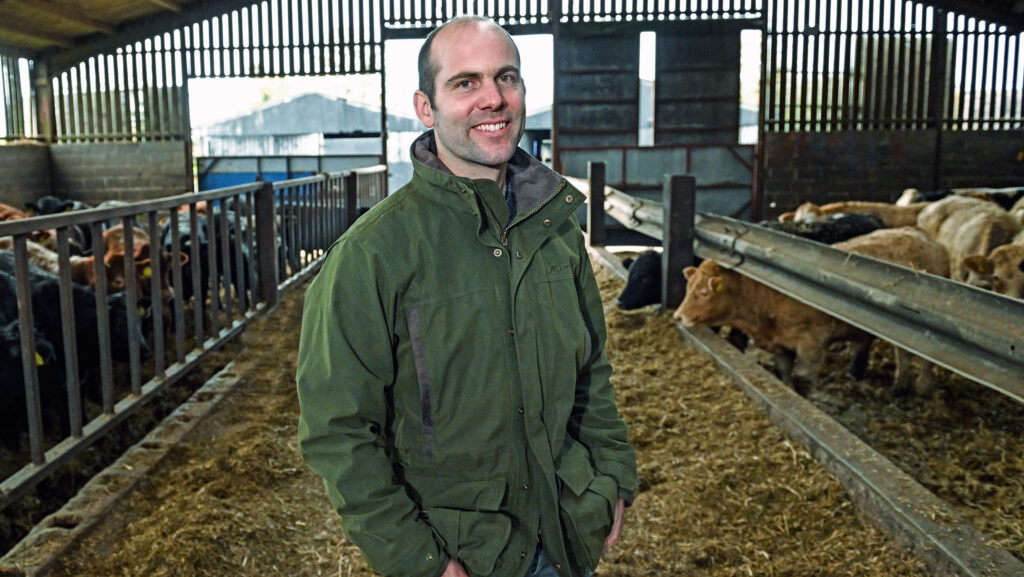 Dan Phillips © Richard Swingler
 May tends to be a quieter time on the farm here.
With lambing out of the way and silaging normally starting at the end of the month, it gives us a few weeks to get to some of the other jobs on the never-ending list.
The workshop has seen a lot of use lately, with all the silage kit getting a good going over.
See also: 4 ways to achieve a low feed conversion ratio in broilers
About the author

This year’s silaging looks like having to be a week or so earlier to fit around chickens being cleared and mucked out at the end of May.
The broilers wait for no one, and at times it is frustrating having to work around an immovable schedule.
With labour, tractors and trailers being needed on both jobs, it can be a bit of a juggling act, especially when you throw in the British weather.
However, grass growth is really pleasing since moving the sheep off the young leys.
So cutting a week or so earlier won’t do any harm at all, with quality hopefully being good without forsaking too much bulk.
A heavy crop would be welcome after last year’s lower-than-average yield, and while we have got through the winter with some silage to spare, another poor harvest would put severe pressure on next winter.
Our latest broiler crop was the best we have ever achieved, which has been a really pleasing result considering the crop before was our worst.
The company we grow for produces a league table at the end of each cycle, and there really is no hiding place when you are near the bottom.
The positive thing is that it is a strong driver to improve performance, rather than burying your head in the sand.
So, after a crop with multiple niggly issues and a real lack of growth – probably due to incorrect ventilation – I made a real effort to refocus on the detail.
All ventilation settings were checked and adjusted, washdown and disinfection were improved, and I kept a keener eye on all the small details, such as drinker heights and feeding schedules.
Throughout the crop, that can make a real difference to the final numbers.
The result, and the financial benefit that brings, shows just how important it can be to spend enough time on jobs that may seem unnecessary or unimportant.