Tax changes warrant purchase rethink
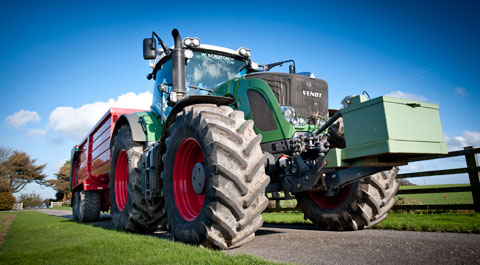
Costly machinery purchases should be carefully considered as changes to investment and capital allowances at the end of this tax year will mean far less relief from the government.
For many farms, average expenditure on new equipment has, in theory, fallen over the past two years after government increased the Annual Investment Allowance from £50,000 to £100,000 in April 2010.
This measure means purchasers gain a 100% deduction against trading profits for capital expenditure up to the £100,000 threshold. And although larger machines often breech the allowance, the relief still applies to the first £100,000 of the investment.
But this favourable rate expires at the end of this tax year and all businesses, including agriculture, will have to accept far less generous terms, at least until the economic recovery is well under way.
| Farm type | Target investment (£/ha) |
|---|---|
| Combinable crops (eastern region) 140ha | 740 |
| Combinable crops (eastern region) 600ha | 494 |
| Root crops (depending on crops grown) | 990-1235 |
| Livestock 40-120ha grazing | 250 |
| Livestock 40-120ha dairy | 494-740 |
Click here to find out more about budgeting for new machinery purchases
From 6 April 2012 (1 April for companies) the AIA will be reduced to £25,000 and the capital allowances available on expenditure above this will be cut from 20% to 18%.
So what does this mean in practice for a business planning to buy a new machine?
Take, for example, a tracked tractor costing £130,000 after discounts, bought outright or on hire purchase, and used in the business for three years.
“Under the new rules, in the first year of ownership, an un-incorporated business will pay about £25,000 more tax,” says Stuart Bradshaw, a partner at Cambridgeshire-based rural accountancy firm Evolve Tax and Accountancy.
This assumes, however, that the owners pay income tax at 40%. In contrast, a limited company will have to pay roughly £12,000 more tax, he notes. “But it needs to be stressed that these amounts are merely timing differences, rather than additional tax.”
The main effect of the change will be on cash flow, principally in the short to medium term. But if this can be overcome, the business will be no worse off in the long term as it will receive full tax relief on the deprecation incurred during the period of ownership, says Mr Bradshaw.
“The changes governments make to capital allowances simply speed up or slow down this relief.”
For those using financed lease or contract hire arrangements, forthcoming capital allowance changes do not affect the tax relief available to buyers. But the changes to capital allowances and any changes to machinery policies they may promote should not be viewed in isolation.
There are two lessons from this reform that need to be carefully considered over the coming financial year, says Mr Bradshaw.
First, the combination of higher prices received for crops and the delayed tax saving on machinery purchases will combine to create some high tax bills in the coming years.
And although it is important to make full use of any allowances available, buying a tractor is not a “magic bullet” to avoiding tax, he says. “So only replace an asset if you need to and do not be driven by perceived tax benefits.”
Second, until the new rules come in there is an opportunity to manipulate the timing of purchases. However, this only accelerates tax relief and doesn’t save tax in the long term.
Finally, Mr Bradshaw advises consulting an accountant before planning any significant capital expenditure, particularly during a period of change.
“The AIA dominates the headlines when it comes to tax, but there is far more to capital allowances than meets the eye, particularly as we move from one set of rules to another,” he says.
The cost of purchasing new tractors and combines has increased by a quarter in the past five years, says Mr Bradshaw.
Analysis of Evolve Tax and Accountancy client purchase information suggests the list price of a top-of-the-range combine has increased by 26% over the past five years ago, while the cost of a 200hp tractor has jumped 22%.
At the same time, farms have become progressively larger, either by amalgamation or through co-operation and annual depreciation is between £98 and £123/ha.
This means an 800ha farm will be spending, on average, £80,000 to £100,000 a year to maintain its fleet.