Bank lending costs to farming expected to rise
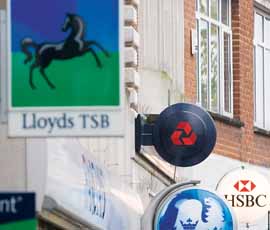
UK agriculture may have been sheltered from the global credit crisis, but this “bubble” may not last much longer, one economist has warned.
Banks have remained keen to lend to the farming sector during a sustained period of record low interest rates and improved commodity prices, but Tom Vosa, from National Australia Bank, told the Sentry conference on Wednesday (8 February) this “bubble” may only last another couple of years.
“Bank lending to agriculture was up 4.5% in the three months to December 2011. They are throwing money at farmers to spend on land but it’s only a bubble.
“When interest rates are likely to go up, in about 2014, then you might see less interest in farming as an investment sector and there will be a downward pressure on land prices.”
He urged farmers to make the most of the current favourable attitude to agriculture among banks and encouraged anyone in a position to do so to secure lending now, as the cost of borrowing could increase before Bank of England base rates rise.
An end to the government’s quantitative easing measures after this summer and a number of other factors could see bank lending charges rise, he suggested. “I think there’s a relatively narrow period of time before borrowing costs increase, so it is worth thinking about hedging rates soon, even if the base rate remains unchanged.”
Global economic problems had already put some pressure on commodity prices, especially cereals, but Mr Vosa said the fundamentals of a growing population and demand for food would keep markets generally tight.
In addition, foreign investment by the likes of China in farmland in Africa was resulting in more “plantation-type” farming, potentially leading to big changes in global export patterns, he added. With countries eager to protect their own food security, this could mean these crops may not be sold on global markets, so the supply and demand balance in conventional markets could remain tight, resulting in continued price volatility.
Volatility could also be increased by government restrictions on speculator activity in commodity markets made in a bid to put downward pressure on food prices, he said. “Whether this will be achieved remains to be seen, but one outcome could see thinner markets, with less price discovery and more volatility, doing few favours for the world’s hungry or the farming community.”