Meat hygiene shake-up ‘to save abattoirs millions’
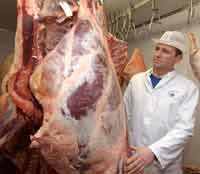
Abattoirs could see their bills slashed by millions of pounds a year under Foods Standards Agency plans to shake up meat hygiene regulations.
The FSA’s Scottish director, Professor Charles Milne, said the agency would set out proposals in its upcoming strategic plan to abolish rules forcing every carcass that passes through an abattoir to be inspected.
The plans are part of an attempt to modernise the system and make it “fit for purpose” in the 21st Century, Prof Milne said.
Negotiations with other countries and the European Commission to create a more proportionate and targeted risk-based system were already under way, he added.
A major shake-up of the scale envisaged by the FSA could save millions of pounds every year by reducing costs in abattoirs which are subsequently passed on to farmers.
Prof Milne said meat was treated differently from other foods in the current hygiene legislation and he wanted to see that change.
“We need to look at the value of someone standing on a line watching what’s going on, cutting into lymph nodes and stamping carcasses,” he said. “We want to see controls around meat more in line with other foods and more targeted at the challenges of the future which include E coli and Campylobacter.”
However Prof Milne said the FSA recognised that consumer confidence and public safety were paramount and it would carry out scientific research to produce an evidence base and support the mood for change.
“We are already working closely with like-minded states like Sweden, The Netherlands, Denmark and France and trying to influence current and forthcoming presidencies and newly elected MEPs,” he added. “We are also talking to the Europe-wide body of meat processors.
“There is a real ambition in the FSA to achieve better processes but it takes time. We’ve been proactive and will push this as fast as we can but we have to gather evidence and allies.”
He added that there was little opportunity in the current system to reward operators who do a good job and he wanted a system which would incentivise them by rewarding them with fewer inspections. Resources could then be targeted at problem abattoirs.