

Case study – Leptospirosis vaccinations prove vital in preventing abortion losses
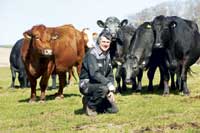
Disease control is vital to maximise economic performance, says beef farmer Johnny McCririck, Whitmuirhaugh, Kelso.
“We want 95% calves reared for all cows put to service – anything that impinges this will have serious implications on herd profitability.”
With this in mind, disease control has always been high on the agenda and recently the 60-cow herd of Limousins, Aberdeen Angus and British Blue have received BVD and Johne’s free accreditation. However, leptospirosis control is ongoing.
Leptospirosis is part of the complex that reduces productivity in beef herds, says vet Robert Anderson, Merlin Vet Group. “Leptospirosis impacts on fertility, influencing high barren rates and abortion, which will ultimately affect productivity.”
Key facts about leptospirosisCauses high barren rates and abortions in cattle Spread via urine – so can be transmitted through infected water and at pasture Sheep are an added source of infection Zoonotic risk – shows itself as flu-like symptoms in humans |
In the past Mr McCririck was buying in two-week-old dairy calves as replacements, but the 2001 foot-and-mouth outbreak put a stop to buying in.
“Foot-and-mouth was the crunch point when we decided to rear our own replacements and become closed. We have continued to buy in some stock bulls, but we ensure these undergo thorough disease screening,” he says.
“Buying in stock always comes with the risk of introducing leptospirosis – a disease which is more than likely endemic throughout the national herd.”
After screening and identifying the occasional positive animal, all breeding stock and purchased cows were vaccinated for leptospirosis. “However, after a while we weren’t picking up any positive individuals,” says Mr McCririck.
“We had 4-5 years when all stock were testing negative, so we decided to stop vaccinating in an attempt to reduce costs.”
However, this decision proved costly when an aborted calf tested positive for the disease.
When the decision is made to stop vaccinating, it is essential to still remain vigilant and investigate the cause of any abortions thoroughly, says Mr Anderson.
Mr McCririck was particularly shocked to hear leptospirosis was present in the herd, despite being “closed”.
It is likely the series of rivers and streams running through the farm are a potential source of infection, explains Mr Anderson.
“Shared drinking water and purchased adult bulls are two potential sources of leptospirosis infection.
“Bought in bulls should test negative for leptospirosis, as you can not differentiate between vaccinated and positive bulls.”
 |
|---|
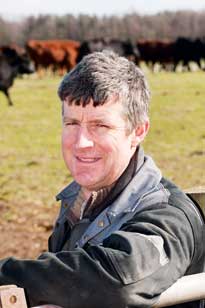
| Even when cows test negative for leptospirosis Mr McCririck continues to vaccinate. |
However, buying bulls that are CheCS accredited leptospirosis free is ideal. “It is essential you have documentation to confirm a bull tested negative before he was vaccinated.”
Leptospirosis is caused by bacteria that live in the kidneys of carriers and is spread in the urine. When infected urine makes contact with mucosal surfaces, such as the nostrils, or mouth, new infection will form. Consequently bacteria can be spread through urine, water supplies and at pasture.
As a result, the farm restarted a screening and vaccination programme. “Even when cows are testing negative for leptospirosis we are continuing to vaccinate – it is just not worth the risk,” explains Mr McCririck.
“There are two types of farms – ones that have tested for leptospirosis and know they have it and those that have it and aren’t aware of it.
“Realistically, all cattle farmers need to vaccinate against leptospirosis – with the huge cost associated with abortion, vaccinating easily pays for itself.”
Testing helps identify when disease is active in a herd. The risk from carriers and other sources of infection should not be forgotten when thinking about the importance of vaccination, says Mr Anderson.
“And with the added zoonotic risk associated with this disease, control is even more essential.
“Humans can be infected upon contact with contaminated areas – close confinement and disease spread through contaminated water and urine, means dairy farmers are often more at risk because of contact in the parlour.” Infected individuals will display flu-like symptoms.
The herd has now had two clear tests since re-implementing vaccination.