

Bloat warning as spike in cases seen
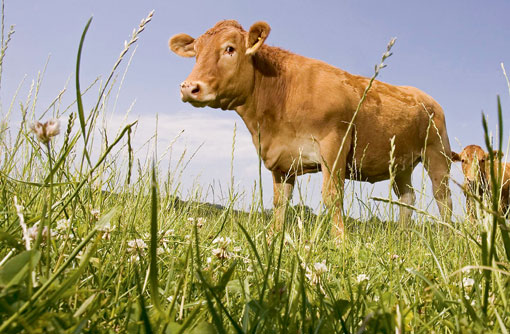
Rapid grass growth prompted by the end of a long dry spell in parts of the UK has left many pasture-based dairy and beef herds exposed to the risk of bloat.
As the condition is more usually associated with lush spring pastures, farmers have been caught off-guard, according to Pembrokeshire vet Richard Davies.
“August is usually a safe time of the year, because grass can be almost hay-like, but this year it has probably been our biggest growing month. Farmers have been trying to use clover-rich grass without realising the bloat risk and some have been caught out,” said Mr Davies, of the Fenton Veterinary Practice, Haverfordwest.
Grass measurement data shows that while average daily pasture growth rarely climbed higher than 50kg/DM/ha in the spring, it has hit 70kg/DM/ha in some parts of the UK in the last fortnight.
Although bloat has been a problem in many regions in recent weeks, it seems to be a particular issue in Gloucestershire and the Midlands, said dairy consultant Tom Phillips.
“These areas experienced extreme dry conditions before it rained two weeks ago and this weather pattern caused the clover to accelerate. The result is very lush pasture rich in protein,” he said.
Keith Davies, of Lydney Park Farm, Gloucestershire, lost four cows to bloat in the last fortnight and had several other less serious cases. “We drenched the affected cows with cooking oil and let out the gas and they were fine, but unfortunately there was nothing we could do for four of the cows.
“Bloat wasn’t an issue we had come across before because the herd was all Holstein, but we have started to have trouble now we have a few New Zealand crosses.”
Bloat, which can affect both dairy and beef cattle, is caused by a build-up of gas in the rumen. This gas is produced as part of the normal process of digestion and is normally lost by belching. Bloat occurs when the loss of gas is prevented.
Tom Phillips said that, in the absence of licensed preventative products such as Bloateze, which are available in New Zealand and Australia, there are guidelines farmers can follow to help prevent bloat.
Cooking oil can be added to troughs, upwards from 1 litre for every 100 cows a day, according to risk.
“Keep the cows full if possible – don’t let hunger build up,” advised Mr Phillips. “Access to hay helps when it’s wet, and during wet weather cows should be diverted to paddocks with less clover.”
He advised checking cows exactly two hours after they have been turned into a paddock, as this is when symptoms start to show.
“Any suspect cows can be walked about a lot, or drenched with oil to reduce gas,” he said.
Vet advice suggests that punching a trocar and cannula through the side into the rumen should only be used as a last resort, when a stomach tube has not worked, as the trocar can introduce infection.
Mr Phillips believed DEFRA should be lobbied on the need for licensing bloat products in the UK. “This is an animal welfare issue,” he said.
Bloat symptoms
• Distended left abdomen
• Possible signs of pain, discomfort and bellowing.
• In some cases, death