Yellow virus risk found to be higher in late-drilled sugar beet
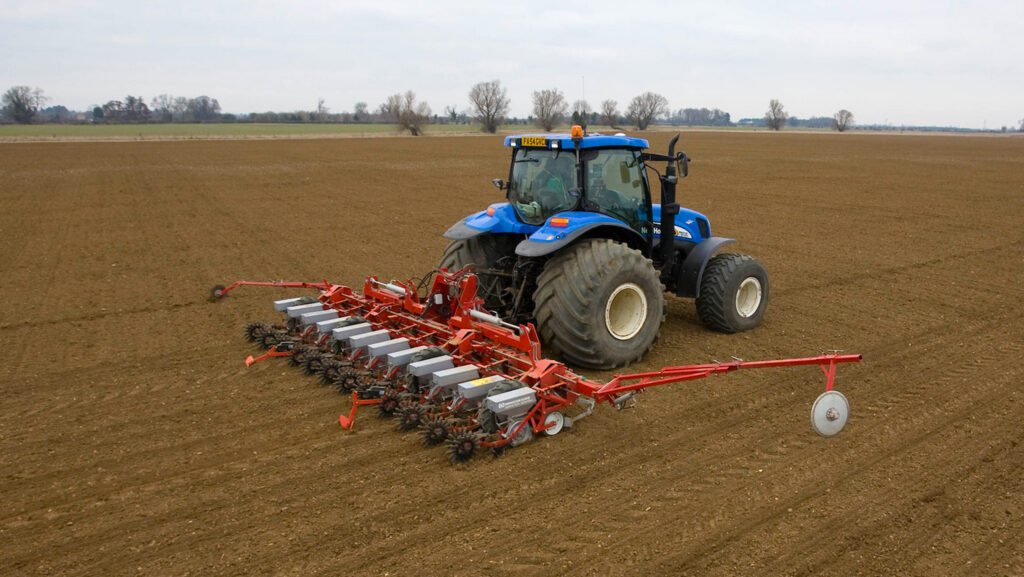 © Tim Scrivener
 Aphid migration is predicted to commence on 22 April this year, which could leave nearly two-thirds of sugar beet crops exposed to virus yellow infection.
Rothamsted Research forecasts estimate 62% of the eastern region’s sugar beet crops could become infected with the disease from a 30 March drill date in the absence of control measures.
This increases to 77% for crops drilled around 15 April.
See also: Farmer Focus: Evapotranspiration metrics are bringing me joy
Unlike last year, when land was already on the verge of being ready to drill in early to mid-March, sugar beet drilling has only just begun on lighter soils.
Later drilling will, unfortunately, increase the risk of virus yellows, says Stuart Jackson, head of technical services at UPL.
“Virus yellows risk is comparable to 2022 and 2023 in the eastern region, with one important difference.
“In those years, the risk was mitigated by over 50% of the crop being treated with neonicotinoid seed dressings, something that is not an option this season,” says Stuart.
Focus on good establishment
As always, drilling conditions are extremely important to getting crops off to the best start. With crop margins squeezed this season, each field needs to be working to its optimum.
“Smeared, or compacted seed-beds are likely to result in uneven establishment, particularly if it becomes capped.
“Those types of gappy, uneven beet crops ultimately end up with much higher levels of harvest losses,” says Stuart.
Despite the increased risk of virus yellow associated with later drilling, Stuart advises growers not to rush getting beet crops into the ground.
“Drilling later in favourable conditions is better than going too early,” he advises.
Close monitoring of crops and adequate weed control and crop nutrition will be key to keeping crops balanced and healthy.
Pre-emergence herbicide
Most situations this spring will benefit from a pre-emergence herbicide, continues Stuart due to more moisture in seed-beds.
“The most obvious exception is on black soils, where residual herbicides are much less effective,” he says.
“In fields with heavier weed burdens, the addition of some ethofumesate to metamitron provides a good start to programmes, and offers growers more flexibility with post-emergence programme timings and product choice.”
For growers of Conviso Smart herbicide tolerant sugar beet, Stuart’s experience has demonstrated that a pre-emergence or very early post-emergence herbicide can be useful for helping manage weed populations and growth to ensure a more even size of weed when applying Conviso One (foramsulfuron + thiencarbonazone-methyl).
“Using a pre-emergence in that system takes away early weed competition, as well as helping to manage any weeds that have developed resistance to ALS-inhibiting herbicides,” he says.
Poppies, chickweed and mayweed are three species already known to have developed resistance to this chemistry, he cautions.
Grassweed resistance
For those with blackgrass in sugar beet fields, resistance to key herbicides will be a concern.
UPL testing last season of populations in the UK, where there was a known problem with clethodim, showed that of the seven populations, three showed the control problems were more likely due to either poor timing or application technique.

Staying sharp shouldn't be a chore