Crop Watch: Video – Ensuring T2s hit the flag leaf
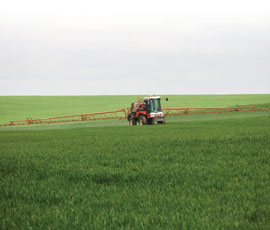
A long-awaited let-up in the weather has seen sprayers flying about from crop to crop trying to get caught up. And it seems they’re winning. Our agronomists across the country are reporting that T2s are well under way, if not completed.
But there are warnings about timings – just because T1s may have been delayed, do not skip or delay T2s with disease pressure as high as it is.
Base spray timings on when the ever-critical flag leaf unfurls, no matter how short the interval from the previous sprayer pass.
And we’re cautioned to prepare for some hefty T3s – robust mixes will be the order of the day when ears emerge, given the almost perfect conditions for fusarium.
Barleys are reported to be surprisingly clean although there is still a high ramularia risk in the north. With crop development achingly slow, awns have been late to emerge and the advice is to get on with T2s regardless.
Video
This week Marion Self gives her advice on dealing with bird-battered beet while Patrick Stephenson reports from AICC’s blackgrass trials.
It’s the rape that is causing the greatest headaches. One of the longest, wettest flowering periods in living memory has meant a heightened sclerotinia threat and for the first time ever some agronomists are suggesting a second spray. Add to that the heavier alternaria risk and you’ve got a pretty potent mix.
That’s exacerbated by top-heavy, wet canopies leading to lodging – ideal conditions for disease levels to rocket.
Chocolate spot is out in force in the beans and threatens to defoliate plants – a three-spray programme may well be on the cards in the hardest hit areas. While at it we’re advised to hammer bruchid beetle before the adults have a chance to lay eggs.
Backwards beet crops have been battered by birds while linseed and spring rape struggle to get going and are susceptible to flea beetle attack.
Read more
To read full, in-depth reports from around the regions visit, visit Crop Watch.

Staying sharp shouldn't be a chore