FARMER FOCUS: Unsure about neonicotinoid ban
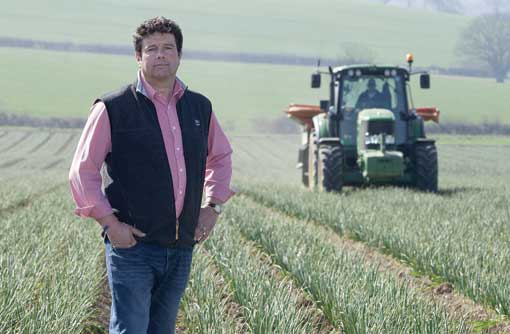
Most of the farm is now looking green, with a hint of yellow in places. By the time you read this we should have had some precipitation – I still can’t say the “R” word – and the spring plantings will have had a good drink.
Oilseed rape is incredibly variable, with some flowering and some only 30cm tall, just producing green buds. Thankfully, no significant levels of pollen beetle have been found, so no insecticide has been sprayed.
I am very unsure about the present neonicotinoid ban. If this has been done for the right reasons and there is proof that bees were being killed, then I will fully support it. But what levels of bee loss can be attributed to the weather and disease too?
My main concern is that we may end up spraying less-selective insecticides that do a lot more harm to all the beneficial insects.
One advantage of having a lot of spring cropping is the level of blackgrass control that we have achieved. With the opportunity to spray glyphosate at least twice, we have very clean spring crops so far. The other advantage where we have left the land fallow – as it is still too wet – is that we have managed to get a huge chunk of mole draining completed.
Last year, we rebuilt our single-leg mole into a twin-leg version so we could increase output. The soil is just about perfect for creating a good mole.
A large number of people seem to be jumping aboard the UKIP bandwagon at the moment, after a little success in a few local elections. What would a UKIP government mean for a British farming industry free from Europe?
I guess we would struggle to get vegetable and fruit crops picked on time – or would that sort of migrant labour be allowed?
I am sure that the Single Farm Payment would go if we pulled out of Europe, but apparently that’s not the case. This is one part of EU land they seem to like.
To sum up, we would pull out of Europe, but keep the bits we like. How very Alex Salmond.
Jon Parker manages 1,500ha, near Stratford-upon-Avon, Warwickshire, on a medium to heavy land, for Ragley Home Farms, predominantly arable growing wheat, oilseed rape, and salad onions. There is also a beef fattening unit and sheep flock.
Read more from Jon Parker
Read more from our Arable Farmer Focus writers