Farmer Focus: Arable-to-dairy conversions at 60 – and rising
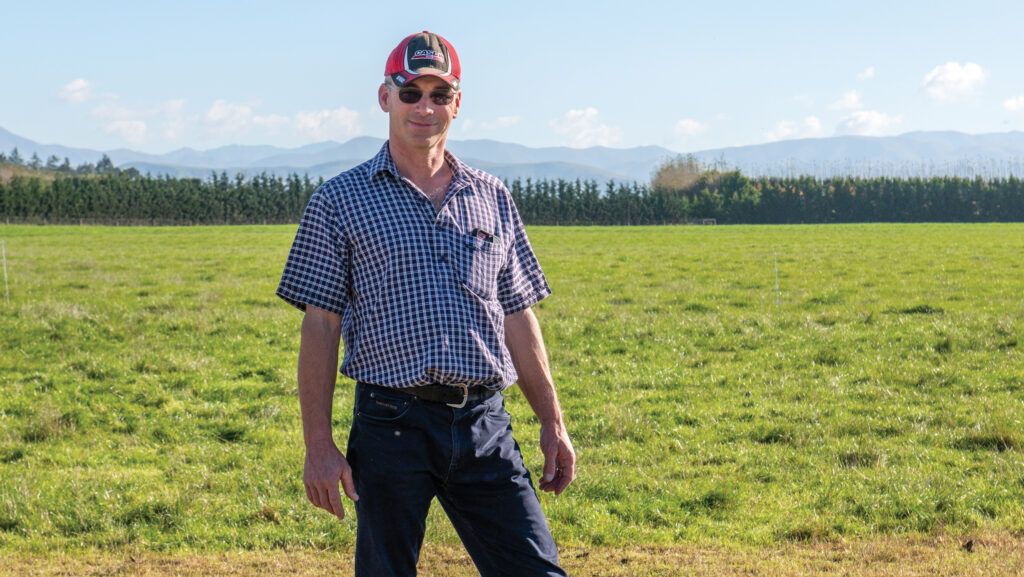 David Clark © Emmily Harmer
 It is fair to say that a farmer is never happy with the weather.
It’s either too hot, too cold, too windy, too wet, too dry, and then there is the groundhog day of yet another wet harvest in Canterbury.
Last year, I didn’t have the mental stamina left for another trying harvest, and yet here we are again.
It was dry and windy through the growing season and as we got to Christmas, peak flowering, when we need heat for bee activity and grain fill, the rain and gloom started.
See also: Why arable farmers should target 5% soil organic matter
About the author

Clover and pea yields have been significantly impacted and cereals are showing the results of a lack of sunshine through grain fill.
Many of us are on “last chance” for white clover.
It should have a very important place in our rotation, but a succession of wet summers has meant it is losing us all money year after year.
The seed companies know they are going to have trouble placing contract areas.
Every arable farmer I talk to is questioning why they remain in the industry.
There are at least 60 dairy conversions going ahead and many more, us included, are doing budgets to see if land use change gives us a more certain economic future.
For us, it would be a very big decision to walk away from arable.
The situation is so serious that our Ministry for Primary Industries has announced a “medium-scale adverse event”.
For us, it is a matter of trying to ascertain what is a weather cycle versus a fundamental change in pattern.
Long-time neighbours say there was a period of six to eight years in the late 1970s that saw wet, cold summers, which then was followed by a decade of hot, dry conditions.
However, the pressure of the weather is really only a symptom of the underlying crisis facing food growing worldwide.
Farmgate prices simply do not provide a sustainable margin over the cost of production.