

Farmer Focus: UK organic area fails to hit demand
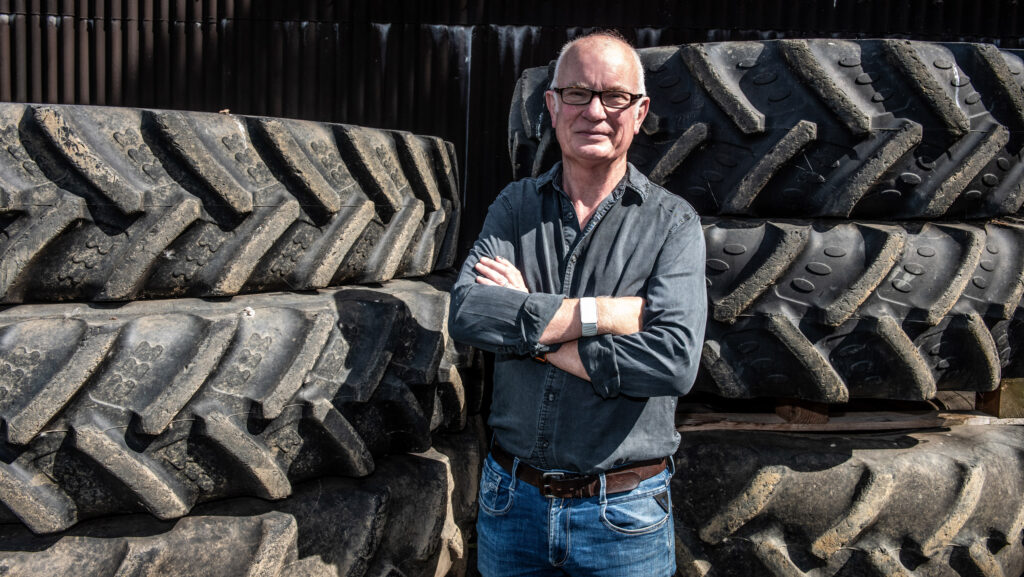 John Pawsey © Phil Weedon
 Another year started for Alice and I with two days at the excellent Oxford Real Farming Conference. With 2,000 delegates and 418 speakers from all continents, there really was something for everyone.
Being of the organic persuasion, I particularly enjoyed the session “Land Sparing vs Land Sharing: How Organic Can Deliver”, chaired by the excellent Lawrence Woodward, co-founder and former director of the Organic Research Centre.
See also: How a Somerset farmer grows cereals without plough or herbicides
About the author

With a clear economic case and a proven track record for restoring soils and nature, it is puzzling to still see that while the market is still growing (see the recent Soil Association’s Organic Market Report), UK organic production is failing to rise to the demand.
The session discussed what the barriers might be. Lack of offering organic farming as a credible option at our agricultural colleges could be one contributing reason.
The loss of the Organic Conversion Information Service, which we enjoyed when we converted in 1999, would be another.
There is also lack of verbal support from government and some of our environmental NGOs.
Organic farming is about banning stuff. It produces less. You have to have livestock to make it a success.
There are cultural problems within the farming community; it’s sandals and beards.
A positive dialogue from government, colleges and those larger NGOs would certainly be helpful.
I do agree, the negative campaigning of some of our organic certifiers and charities was not helpful, but that’s all changed now.
We produce less yield in some crops, but in my experience, net margins are better farming organically.
A financially broken conventional farming model doesn’t feed the world either. You don’t have to have livestock.
I am very pleased with my Birkenstock sandals, but I look like a twit if I grow a beard.
UK organic is commercially resilient, consumer-led and growing faster than conventional food.
Its future hinges on whether farming policy and domestic production can catch up with demand.