Farmer Focus: Why I’m second guessing the government
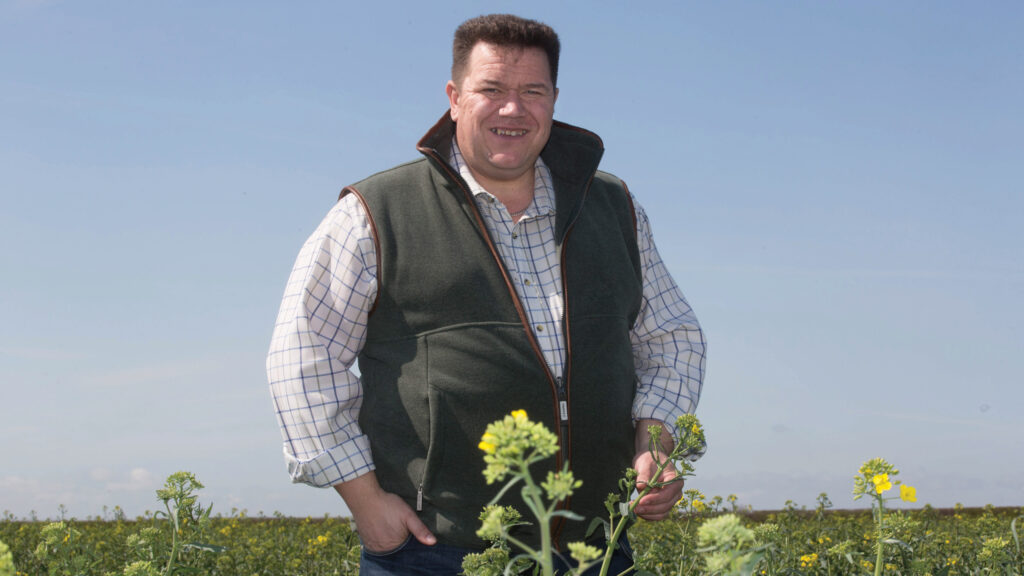 Keith Challen © Tim Scrivener
 We hit our long-term average rainfall of 650mm three weeks before the year end.
It feels like overnight we’ve gone from dry to very wet. While we haven’t got any standing water, it wouldn’t take much more rain to have some.
As I’m ever the optimist, I was trying to think of a positive spin for this month’s entry. However, I’m finding it tough.
See also: Suffolk beet grower counts huge cost of beet moth
About the author

Spot wheat prices sit around £170/t for feed wheat and below the cost of production.
Although we were proactive at higher prices, we still have 25% to sell.
With the UK’s current wheat crop in the ground looking the best it’s been for a while and reports of bumper harvests in Canada and Australia, we probably ought to be fixing the majority of harvest 2026 sales.
Last month, the Rural Payments Agency offered an extension to the Countryside Stewardship (CS) Mid Tier agreements that were due to expire on the 31 December.
Whilst initially I thought it was a no-brainer to extend our current agreement, what if the next Sustainable Farming Incentive offer opens next summer and is a limited fund?
It could be opened and closed before the CS extension has ended, consequently leaving the worst land we farm not in a scheme. Therefore, rightly or wrongly, I declined the extension offer.
If farming wasn’t hard enough, I’m now trying to second guess the government.
Hedgecutting is all but finished and ditch cleaning is about to start along with all the usual winter tasks.
Machinery is passing through the workshop on the wetter days and I’m happy to say very little needs overhauling.
This is mainly due to the fact most of the cultivation equipment has gone and the two low disturbance subsoilers we’ve made require no work.
Both subsoilers completed all last season’s work and will probably do all of next seasons on one set of points. That is at least one good point of farming very heavy clay.

Staying sharp shouldn't be a chore