

Why SFI26 doesn’t stack up for Herefordshire farmer
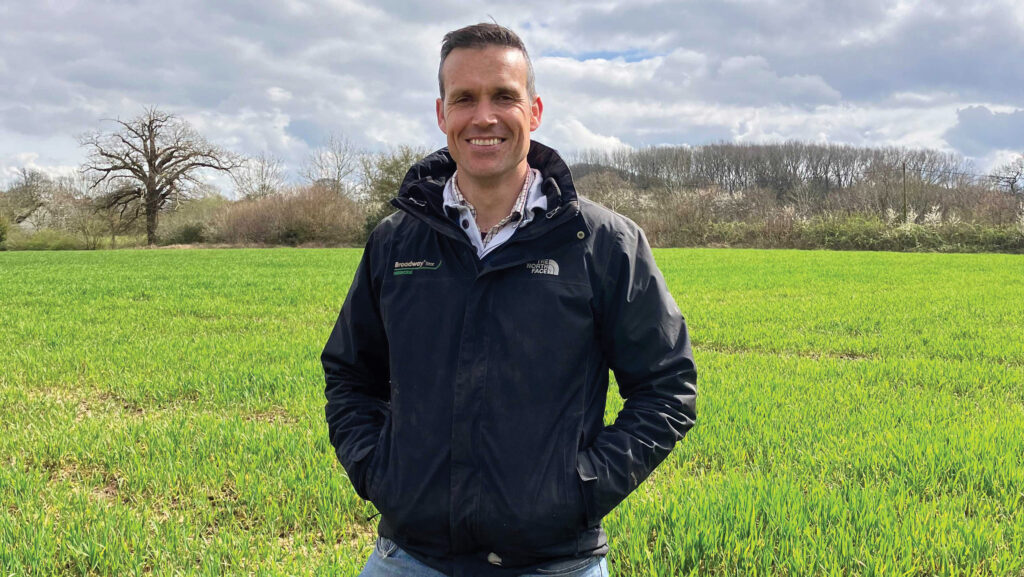 Chris Greenaway © Garnstone Farms
 Herefordshire farm manager Chris Greenaway has reservations on the new Sustainable Farming Incentive (SFI) 2026 offer, due to payment cutbacks and the reduced number of options available.
Garnstone Farms has existing SFI agreements until May 2027, so will not be applying to the latest offer from Defra, which opens in June.
However, Chris notes that if he were to mirror the farm’s current SFI options in the 2026 offering, the farm would see a 14% drop in farm business income each year of the agreement. Not to mention the £100,000 annual payment cap.
See also: SFI26: What options are open to arable farmers?
“It seems Defra are slowly but surely tightening the vice on farmers,” he says. “After the Basic Payment Scheme was phased out we were told things would be simpler, but it’s been anything but.”
Options such as hedgerow management and soil sampling have been removed from the 2026 scheme, while in Chris’ current agreements they covered a significant area.
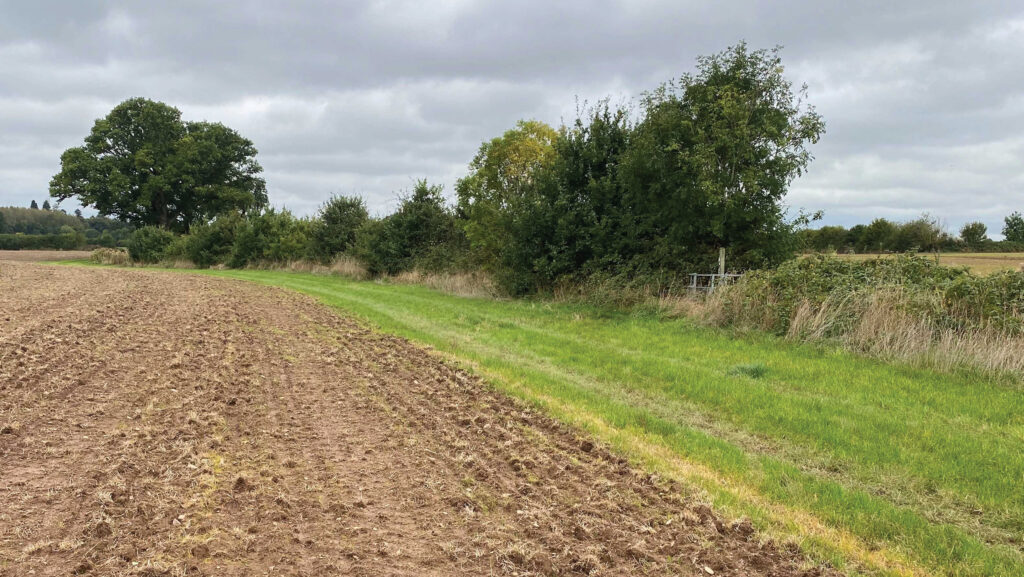
© Garnstone Farms
Payment reductions include a £158/ha drop for herbal leys, a £205/ha drop for winter bird food and £61/ha less for legume fallow.
“Under the SFI26 offer winter bird food payment, our farm business income would fall by £4,000.
“We have about 20 small plots of bird food dotted around the farm in wet areas or awkward corners which are not efficient for cropping,” he says.
Pleased with performance
Overall, Chris is pleased with how his current options have performed, but notes his mix of agreements, each with different start and end dates, makes management a challenge.
“We picked the right options. It’s worked well. We can show we’re achieving the intended environmental aims.”
What isn’t so simple is that the farm has a total of four SFI agreements, as new options such as ditch management and supplementary grazing were launched at different times.
Companion and cover cropping
Companion cropping across the farm’s 400ha is a significant SFI payment. Chris crops maize with ryegrass, wheat with mustard, wheat with clover, barley with mustard, barley with clover, and also wheat with beans.
Winter beans were grown for the first time in 10 years at the farm and yielded a fantastic 6.2t/ha.
The volunteer beans were left in the field to re-grow and Chris direct drilled the following crop of winter wheat into them, to act as an effective companion.
The beans were then sprayed out as part of the broad-leaved weed control programme.
“This year’s companion beans seem to have a lot of chocolate spot at the moment, so will certainly need removing,” he says.
Cover cropping ahead of 220ha of spring crops of maize and tenderstem broccoli lets has also proved effective.
Oilseed rape has not been grown for two years due to the increase in area let for tenderstem broccoli.
Oats are no longer grown due to poor market prices. Instead, the area has been replaced with winter barley for the farm’s 750 head of cattle, and more second wheats.
A total of 220ha of grassland is split into thirds of herbal ley, permanent pasture, and clover and grass.
The farm also has SFI options in floristic margins, grassy corners and 6m buffer strips. Including the bird food plots, this totals 40ha.
The insecticide-free SFI payment gave the team at Garnstone the confidence they needed to completely stop using insecticides.
Chris hopes the SFI funding is here to stay, so the farm can continue its environmental actions and be supported to do so.
Where are we at with SFI26?
Farms up to 50ha and holdings without an existing Environmental Land Management agreement will be eligible to apply for SFI26 in the first window in June, with a second window set to open in September for all other farms.
- 10,000 SFI agreements expire before the end of this year (NFU, 2026)
- 32,000 businesses in England have an SFI agreement (Defra, March 2025)
- More than 5,000 Countryside Stewardship agreements are due to end in 2026 (Defra, 2026)
- There are 98,000 farm businesses in England (FBS, 2021)
Staying sharp shouldn't be a chore

Staying sharp shouldn't be a chore
Explore more / Transition
During the series we follow our group of 16 Transition Farmers through the challenges and opportunities as they seek to improve their farm businesses.
Transition is an independent editorial initiative supported by our UK-wide network of partners, who have made it possible to bring you this series.
Visit the Transition content hub to find out more.
