3 winter barleys join slimmed-down AHDB Recommended List
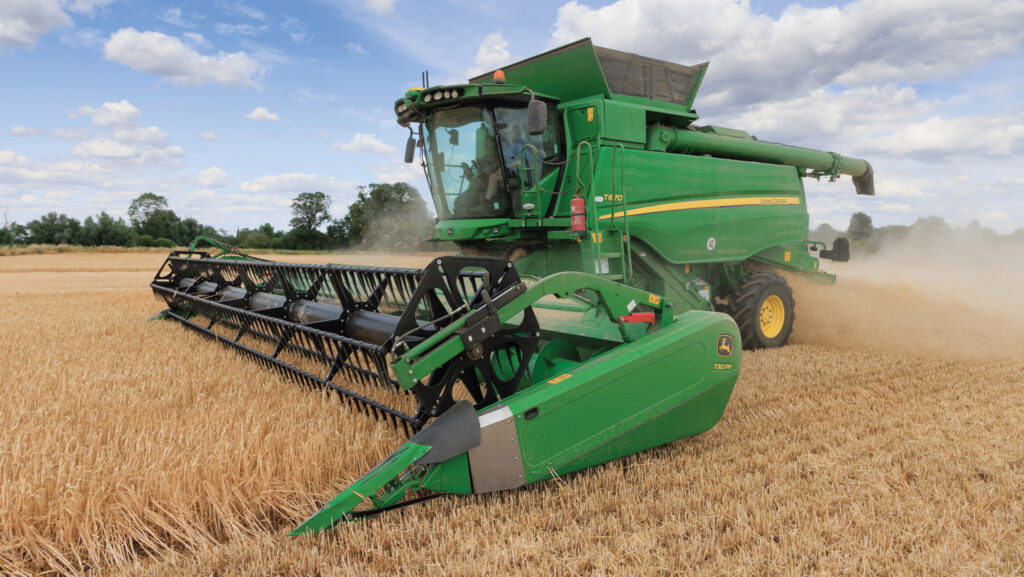 © Tim Scrivener
 Three new winter barley varieties have been added to a shorter AHDB Recommended List for 2026-27, with nine varieties removed.
More than a quarter of the recommended varieties now come with tolerance or resistance to barley yellow dwarf virus (BYDV), says the AHDB’s RL manager Paul Gosling.
See also: 11 new pulse varieties join PGRO Descriptive List
Darcie from Senova is a two-row feed variety which has been recommended for the East region, coming onto the list with a treated yield of 104% but giving 106% in the East.
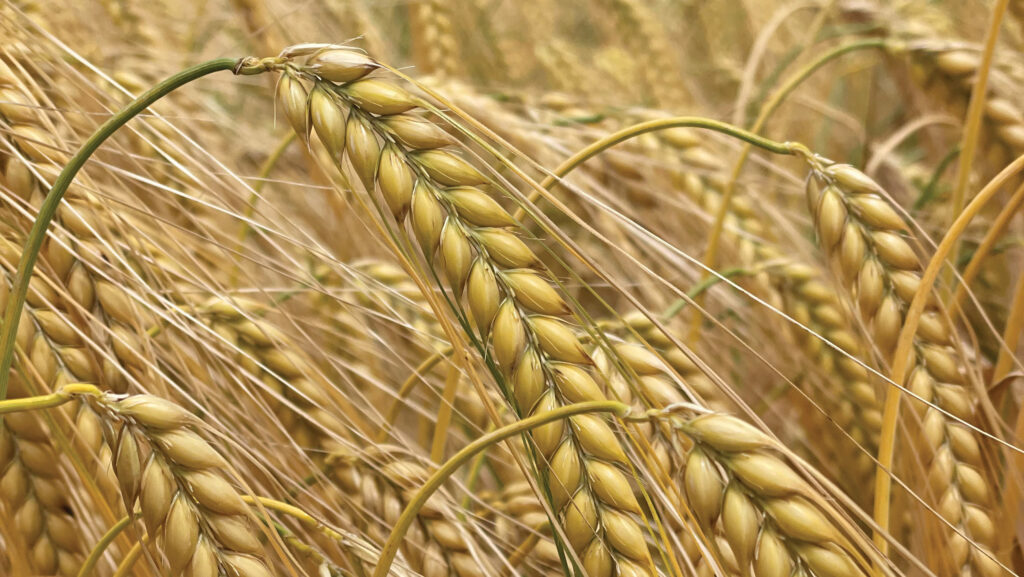
Two-row feed variety Darcie © Senova
One of only two barley varieties with resistance to both strain 1 and strain 2 of barley yellow mosaic virus (BaYMV), Darcie also has a good specific weight of 70.9kg/hl and a 7 rating for resistance to lodging. It also has a score of 7 for rhynchosporium and 6 for net blotch.
Catapult is a two-row feed variety with BYDV tolerance that sits only just behind the best two-rows for yield on 104%. It also has a high untreated yield of 90%, although its lodging resistance is weaker than some of the alternatives.
“Again, there’s been good progress made by breeders and these types are much more competitive than they were,” says Niab cereal varieties specialist Clare Leaman.
“We should start to see greater uptake now.”
Four spring barleys
The spring barley list has four new varieties, with three under evaluation for both brewing and malt distilling by the Malting Barley Committee.
Trailblazer from Syngenta offers high treated yields across all regions, with good standing power and grain quality.
Roulette from Agrii has a slightly lower fungicide-treated yield, but the highest fungicide-untreated yield on the new list.
Shona, from Elsoms, has been recommended for the East, where it shows a very high fungicide-treated yield.
Nolan from Senova is the final addition. It was proposed for recommendation in 2024, but was held back due to problems during the GB and NI Variety Lists (VL) assessment stages.
With the issues resolved and good malting qualities, it has been recommended for the UK.
Barnabus is a new six-row hybrid which tops that category for yield on 108% and has very good disease resistance, as well as a high specific weight of 71.3kg/hl.
As a result, it has the highest untreated yield of all the winter barleys, with a figure of 93%, reveals Paul. A resistance to lodging rating of 6 is its only weakness, he believes.
Clare points out that it has the same straw strength as Kingsbarn, which has been grown widely with success.
Kirsty Richards, national technical manager for seed at Frontier Agriculture, says: “Barnabus is the next step on in yield and like all hybrid barleys, a good plant growth regulator programme will be needed.”
Three new winter barley varieties at a glance |
|||
|
|
Darcie |
Catapult |
Barnabus |
|
UK yield (%) |
104 (106 East) |
104 |
108 |
|
Untreated yield (%) |
80 |
90 |
93 |
|
Mildew (1-9) |
6 |
6 |
7 |
|
Brown rust (1-9) |
5 |
7 |
7 |
|
Rhynchosporium (1-9) |
7 |
6 |
7 |
|
Net blotch (1-9) |
6 |
5 |
6 |
|
Specific weight (kg/hl) |
70.9 |
70.7 |
71.3 |
|
Lodging (with plant growth regulator) (1-9) |
7 |
6 |
6 |
|
Ripening (days +/- Caravelle) |
+1 |
0 |
0 |
| Note: On the 1-9 scales, high figures indicate that a variety shows the character to a high degree (eg high resistance) | |||
New winter oat
Rannoch from Senova has been added to the winter oat Recommended List, bringing a combination of high yields, good grain quality and agronomic strengths.
With a treated yield of 106% and an untreated yield of 92%, along with a crown rust resistance rating of 7, initial tests on Rannoch confirm it has milling quality similar to Mascani and the processing consistency that end users look for.