

Advertiser content
How M&S is trialling environmentally-positive farming
We launched our biodiversity-focused Farming with Nature programme in 2021, to more than 7,000 produce and livestock M&S Select Farms in the UK, aiming to help our Select Farmers become more resilient to the environmental challenges they face.
As part of this programme, we’ve set up a network of 19 Indicator and Innovation farms to trial and monitor new approaches to sustainable agriculture, communicating learnings with our wider farmer supply base.
Here’s an update on some of the great work that’s been taking place.
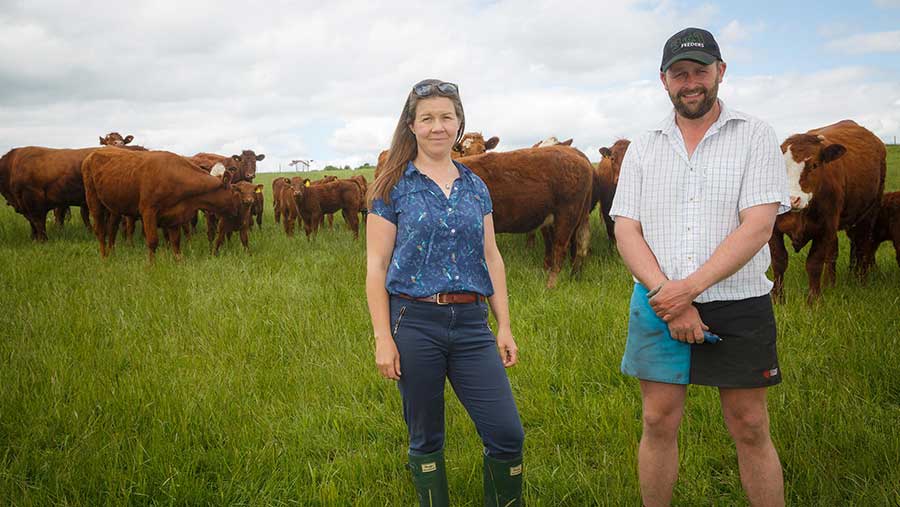
John and Alix Ritchie – Select Farm beef and lamb
John and Alix Ritchie, who have an upland farm in the village of Dunning in Perth and Kinross, rear both beef and lamb for M&S via Scotbeef.
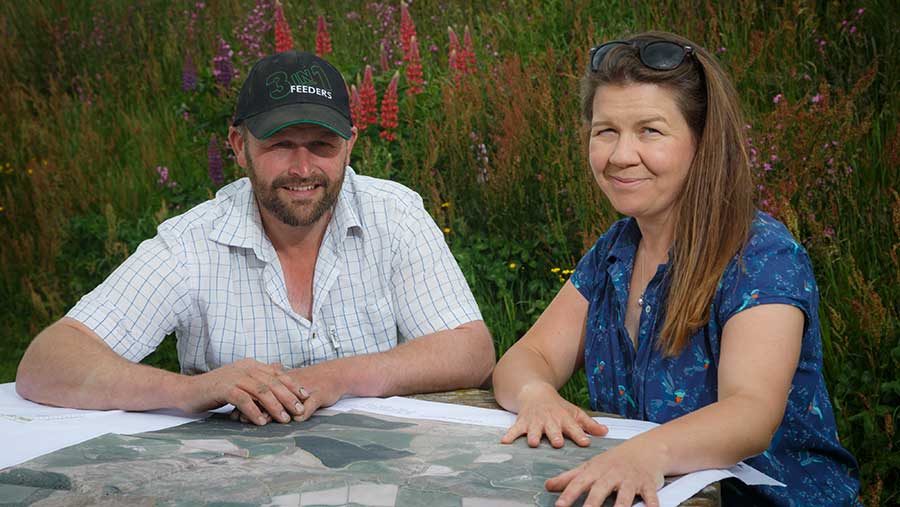
We caught up with Alix and Carol Littlewood, of Littlewood Land Care, who has been helping the farm with their participation in the Farming with Nature programme.
© Marks & Spencer
John and Alix have a 100-head suckler herd, which is predominantly Saler cows put to Simmental or Saler bulls, as well as 550 breeding ewes.
The improved grazing area on their hill farm (140ha) is divided 1.3 ha paddocks and runs a leader/follower system, with the cows following the more selective-grazing ewes, resulting in a neater sward and quicker recovery.
A key focus of the farm is on improving the management of their grassland, which is mostly conventional, to achieve reduced inputs and have an overall more efficient farming operation.
“In late Autumn of last year, we took multiple soil samples from the farm to map out a baseline of organic matter content,” explains Carol.
“From this, we can compare future levels and assess how Alix and John’s use of rotational grazing improves soil quality in addition to calculating how much carbon is being sequestered on their farm.
“Better soil quality equates to more nutritious feed for their cows and ewes, hopefully resulting in a reduction on inputs such as inorganic fertilisers, which is a key objective for them.”
Another key focus for John and Alix is improving biodiversity on farm, which they hope to achieve through a range of activities.
“We plan on creating a strip of woodland habitat along a stream that runs through the farm, which will act as a wildlife corridor,’ says Alix.
“Currently, most of the local woodland surrounds the farm and but doesn’t cross it. We also plan on creating a pond using the natural springs we have on the land to benefit local insect populations.
“Carol sourced us some species-rich grass seed which I have sewn in several areas across the farm, and she provided us with a Barn Owl box which we have installed and hope to see inhabited soon!”
© Marks & Spencer
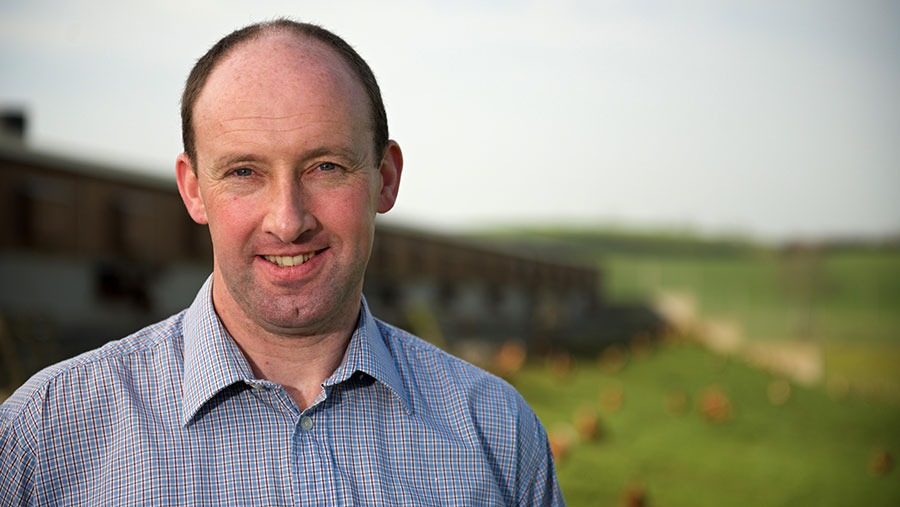
Graeme and Linda Boden – high-welfare free-range eggs
M&S egg suppliers, Graeme and Linda Boden, started their free-range egg business in 2010 and have 16,000 birds that supply M&S high-welfare, fresh eggs through Skea Eggs.
The egg enterprise runs alongside a beef-finishing unit on the farm, which is in the village of Newmills, near Dungannon in Northern Ireland.
© Marks & Spencer
Since becoming one of M&S’s indicator farms, Graeme has worked closely with his The Farming and Wildlife Advisory Group (FWAG)advisor, Séan Convery, to improve biodiversity, carbon emissions and soil health.
Prior to becoming an indicator farm, Graeme had made a great start with more environmental practices such as a 6-kilowatt solar installation on his chicken sheds and the use of LED lighting within them, which has significantly reduced his energy usage.
“We are currently on track with our long-term plans for the programme,” explains Graeme.
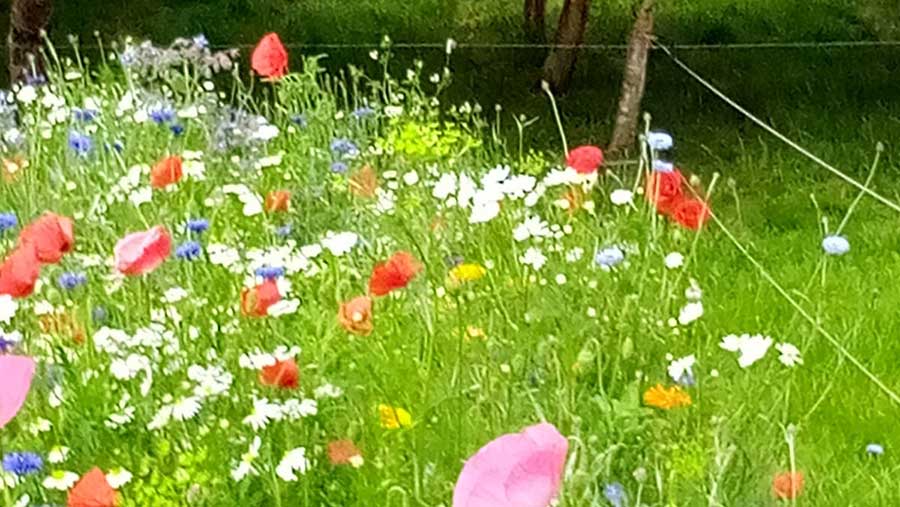
“This spring, we planted a variety of native wildflowers for the first time to help improve the biodiversity on the farm for invertebrates such as butterflies, as well as supporting pollinator species.
“Additionally, we have continued with tree planting activity which not only helps to sequester carbon but provides cover for our chickens when outside the sheds.”
© Marks and Spencer
Graeme is also looking to double his current solar capacity to 12-kilowatts to help power more of his farm with low-carbon electricity.
Furthermore, to utilise that energy better, he is looking at plans to install battery storage so he can use this electricity when the sun isn’t shining.
Elsewhere, Séan has been busy assessing the whole farm’s carbon footprint to enable FWAG to identify where Graeme is performing well and where his emissions can be further reduced through better practice, as well as finding new opportunities for carbon sequestration.
Talking about working with Graeme on the programme, Sean says: “Graeme has been engaged with the process and has been very proactive in executing the plans we laid out for his farm.
He is a very efficient farmer who already possessed a great mindset which makes him a joy to work with. Going forward, Graeme will be looking at methods to help reduce the ammonia emissions of his chicken farming enterprise.
Provided by
M&S backs British farming.
We know our customers want to know where their food comes from and are increasingly concerned around ethical sourcing and the sustainability of food. That’s why Marks & Spencer works with more than 7,000 farmers across the UK that we know and trust to source our products with the utmost care.
When it comes to supporting British farming, our commitment has always been based on the great work being done every day on farms across the country – not just in terms of high production standards, but also in providing wildlife habitats, looking after soil health, and ensuring the land is managed for the benefit of future generations.
To support this further, M&S has started a new five year 'Farming with Nature' collaborative programme to help its Select Farmers become more resilient to the biggest environmental challenges they face – spanning climate change, biodiversity, soil health and water usage.
Find out more at marksandspencer.com