

Advertiser content
How to prepare for an Environment Agency inspection
The Environment Agency is increasing the number of inspections it carries out on farms in England to improve water quality and reduce diffuse pollution.
Failures in nutrient planning, soil testing and yard drainage systems are some of the most common breaches found on farms, with some form of non-compliance discovered on around half of visits.
© Strutt & Parker
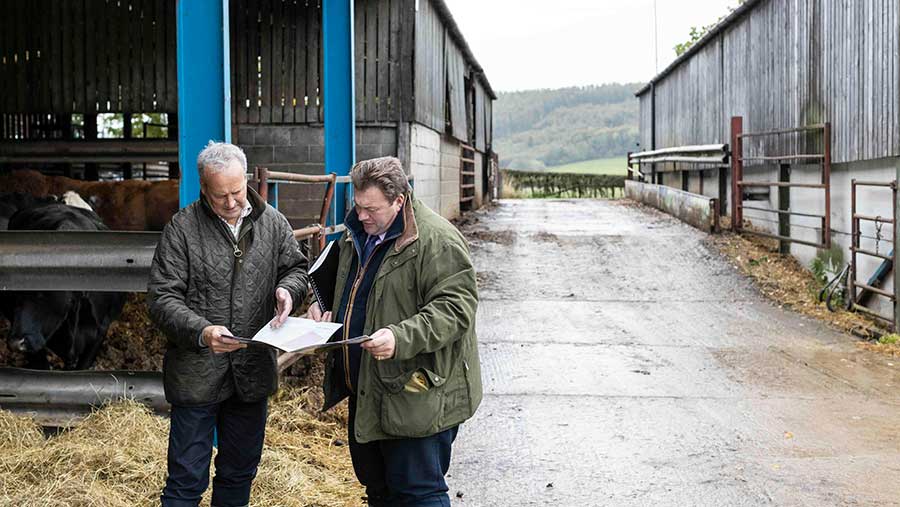
“Notifications of an inspection are currently coming through thick and fast in some catchments and it can be a stressful time for farmers,” says Alice Johnson, a member of the farming team within Strutt & Parker.
“Being picked by the EA may not mean you are under suspicion of doing something wrong, but it could relate to concern about water quality in a local river if there are high or rising levels of pollutants like nitrates and phosphates.
“The letter from the Environment Agency will explain all the paperwork that the inspector will want to see, but, in our experience, it can be very reassuring to have addressed any potential weaknesses well in advance, rather than under pressure.
“A pre-inspection audit can help to identify if there are any obvious gaps and be a springboard for exploring opportunities for grant funding if there are problem areas.”
Common pitfalls
According to the EA, some form of non-compliance was identified at 51% of farm inspections carried out last year.
Common problems include insufficient capacity for slurry storage, no nutrient management plan or not being able to show soil test results.
“An issue we are also seeing come up a lot– particularly given the amount of rain we have had recently – is a lack of a drainage plan for yards, particularly where people have taken advantage of the Capital Grants scheme to lay new concrete,” says Alice.
“Inspectors will want to see that clean and dirty water is being kept separately and that rainwater harvesting systems are adequately sized and located appropriately.
“It is worth remembering that slurry is defined as water which contains any level of faecal matter, so making sure that procedures are in place to avoid the contamination of clean water is very important.”
In 2024/5, there were more than 4,500 inspections on non-permitted farms – so covering the arable, dairy, beef and sheep sectors – with a target to increase this to more than 6,000 by 2029.
The EA does tend to take an ‘advice-led approach’ to breaches in the first instance – to give farmers time to rectify any problems – but will use enforcement powers where necessary.
An application round for the Capital Grants scheme is due to open in July 2026, which should be an opportunity for farming businesses to secure funding for projects which reduce diffuse pollution.
“We have previously secured significant levels of funding for roofs for slurry stores, farmyard manure stores, and silage clamps to reduce dirty water storage capacity requirements,” says Alice.
“But farmers considering making an application for the 2026 round of the scheme are advised to start their preparations now.
“Capital projects which will improve air and water quality typically require approval from a Catchment Sensitive Farming Officer (CSFO), so farmers should engage with their local CSFO as soon as possible.”
© Strutt & Parker
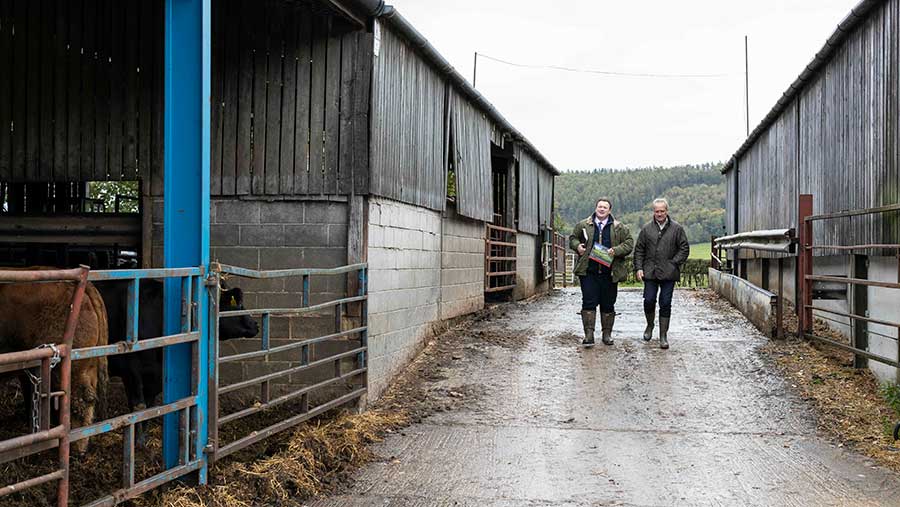
The documents the inspector will want to see during an inspection include:
- Nutrient Management Plans and soil testing results which show phosphorous (P), potassium (K) and magnesium (Mg) levels within the past five years. Farmers should also be able to show detailed application records for slurry, manure, digestate and fertiliser and be able to justify any nitrogen applications based on RB209 and FACTS-based reasoning.
- Risk maps which show features such as watercourses, ditches, ponds, flood risk areas, land drains, springs, wet areas, abstraction points, yard drains and manholes.
- Construction information and volume calculations for any silage clamps or slurry, manure and fuel stores. The inspector will be also looking for signs of any potential pollution or run-off and check if stores meet minimum legal storage requirements.
- Evidence of clean and water dirty separation for yards, with clean areas kept clean and gutters and downpipes kept in good condition.
- Waste exemptions and permits if relevant.
- Water abstraction licence and records of water abstracted if relevant.
- Location of chemical store and pesticide handling area.
For more advice on ensuring you are compliant with environmental regulations, contact Alice Johnson at alice.johnson@struttandparker.com
Provided by
This article was provided by Strutt & Parker’s dedicated farming specialists. We offer independent and practical advice to support business resilience and sustainable growth, and can assist with all aspects of farm management, from strategic planning through to grant applications and compliance.