

Advertiser content
What farmers need to know about SFI 2026 changes
While full scheme details are yet to be confirmed, we know that around £2.7bn will be invested in sustainable farming and nature recovery/ year from 2026/27 to 2028/29, with around £2bn annually invested specifically into ELM schemes by 28/29.
Whilst this is a rise from previously allocated £800m in 2023/24, the funding is expected to be tightly allocated, and for growers who missed out on SFI 2024, securing early access to SFI 2026 will be critical to business resilience.
It is anticipated that further information on SFI 2026 will potentially be released at the NFU Conference on 24 February.
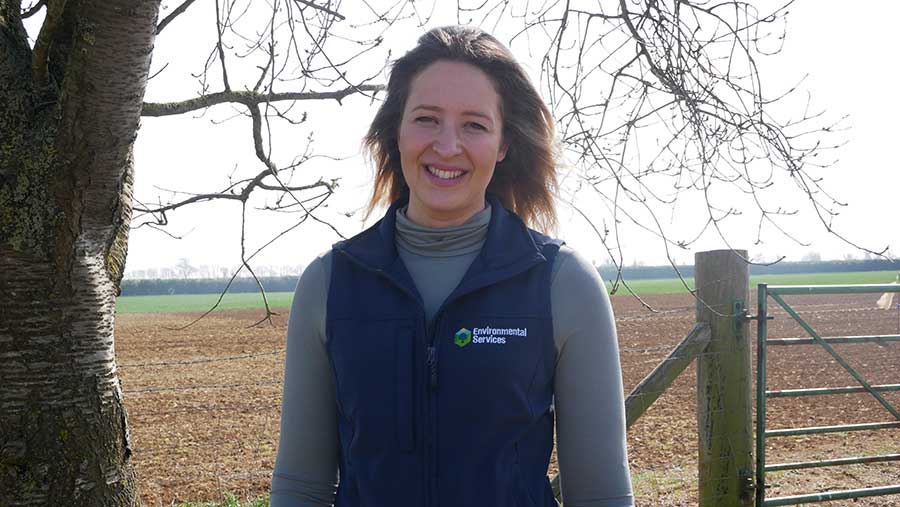
Georgina Wallis © Hutchinsons
There was confirmation SFI 2026 will move to a more structured model – in 2026 there will be two application windows; the first window will prioritise smaller farms and those without existing agreements, with a second window opening in September to allow broader access.
Defra is aiming for a fairer deal for smaller farms. SFI 2023/24 saw 25% of SFI funding going to just 4% of farms.
We can expect to see changes to the scheme structure to distribute funds more evenly- potentially through payments caps or limits on total funding for individual farms.
Potentially this could look similar to Countryside Stewardship ‘Farm Wildlife Packages’ where a suite of actions can be chosen from.
This would be introduced to prevent over-application of specific actions, such as herbal leys (SAM3/CSAM3), which saw significant uptake in SFI 2023/24, and other actions which reduce areas of otherwise productive land.
Alongside SFI reform, the government announced a £30m Farmer Collaboration Fund to support groups of farmers to work together to improve productivity.
This reflects a shift towards encouraging collaboration as a route to improved profitability, building upon the historic Facilitation Fund model.
On a wider outlook, £500m has been committed to Landscape Recovery, focused on longer term support across multiple farms. CS Higher Tier remains on a controlled roll-out, with invitations sent to identified farm businesses.
There will be changes for upland farmers too, with a two-year programme focused on farming clusters and diversified income streams.
In addition, the Farming in Protected Landscapes programme will be extended for a further three years, with £30m of funding next year. This scheme is relevant to those farming in National Landscape areas (previously AONBs) and National Parks.
Despite the absence of full scheme details, it is vital that growers continue to prepare for the opening of the next window.
Many SFI 2023 agreements and Countryside Stewardship Mid-Tier schemes are approaching the end of their term, and understanding which actions suit the farm immediately over the next five years, will place growers in a strong position for success under SFI 2026.
At a glance summary
- There will be two SFI Application windows in 2026.
- The first application window will be in June for smaller farms and those who haven’t already got an existing agreement in place.
- The second application window will open in September – for broader access.
- There will be a new £30m Farmer Collaboration Fund.
- Farming in Protected Landscapes (FiPL) will be extended for a further three years.
- There will be a focus on upland farm support with a new two-year programme focused on cluster farms and diversified income streams.
- Preparation now is important to secure early access by reviewing existing practices, including actions within current schemes to retain, as well as new actions that could be introduced. While existing options may change and new options added, early review will allow time to develop a clear plan and ensure a smooth application process.
For more SFI advice, contact the Hutchinsons environmental services team, enviro@hlhltd.co.uk.
Provided by
With turnover in excess of £270 million, the business has grown to become one of the leading national agricultural and horticultural input advice and supply companies. Hutchinsons takes a dynamic, forward-thinking approach to supporting grower clients in the production of quality crops and food in a sustainable and responsible manner.