Business Clinic: Advice on farming company profit forecasting
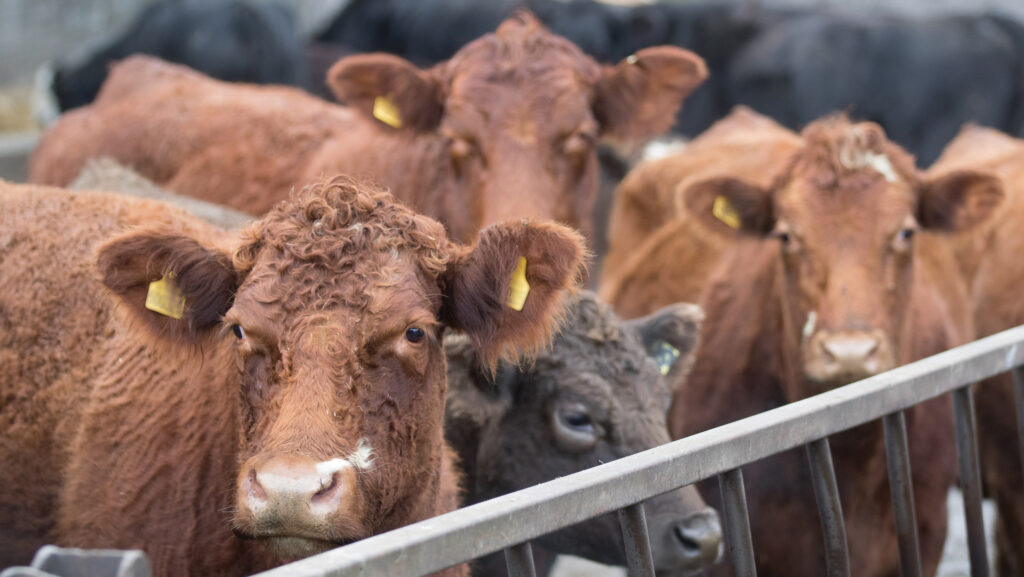 © Tim Scrivener
 Whether it’s a legal, tax, finance or management question, Farmers Weekly‘s expert panel can help.
Here Kate Bell, a partner in accountant Albert Goodman’s farms and estates team, sets out how a farming company should approach a profit forecast in advance of the year-end.
Q: We are a limited company with beef and arable operations, as well as a couple of commercial rental properties. We are trying to become more organised and would like to produce a profit projection before our March year-end to help with tax and general business planning. Ideally, this will give us options and support better decision making. What should we be doing and what should we be aware of?
A: It’s great that you’re making a positive move like this. Tax planning for companies works differently than for individuals.
For individuals, we are often comparing basic rate tax (20%) with higher or additional rates (40-45%). For a limited company, the corporation tax range is 19-25%, but the effective rate typically comes out just over 26%.
See also: Business Clinic: we can’t find the cash to pay our January tax bills
Although a 6% difference in rates is significant, if you’re trading through a limited company it usually means your taxable profit is well above £50,000.
Between £50,000 and £250,000 the effective tax rate is roughly 26%, and above £250,000 the rate becomes a flat 25%.
For companies, forecasting taxable profit is important, but it rarely changes the actual tax rate you pay.
However, any corporation tax due must be paid nine months and one day after the year end, so getting your tax planning right provides you more cash in the business, in turn providing more opportunity and options.
Key things to include in a profit projection
- Committed sales and purchases before the year end including grants
- Potential or flexible sales and purchases that could still occur before year end
- Accruals for expenses, such as unpaid contracting bills, electricity and so on
Stock valuations (critical):
- stock changes can easily swing a loss into a profit
- it’s easy to miscalculate which can mean the tax planning is incorrect
- a proper stock reconciliation is essential, including grain in pools or livestock held elsewhere
- Capital purchases and sales made during the year and grants that are due
- Any rent or interest due to directors needs to be remembered.
This should give you a strong profit picture, allowing you to estimate your taxable position and consider decisions such as:
- Delaying livestock sales. For example, delaying finished cattle sales can defer profit, as stock is valued at the lower of cost or net realisable value (NRV). NRV can be about 60% of market value for cattle and 75% for other stock, so selling pre year-end can realise additional taxable profit.
- Bringing forward property or machinery repairs/servicing
- Purchasing machinery or equipment that has been planned for some time and is needed. However, be aware that if it is bought on hire purchase it needs to be on farm and in use by the year end to gain the tax relief
- Paying pension contributions or bonuses for yourself or key staff
- Issuing dividends to shareholders.
Bringing forward expenditure on livestock or feed/fertiliser and so on that is still in stock at year-end should not affect profit if recorded correctly.
Other considerations for a pre-year-end meeting
Tax planning is important, but it shouldn’t be the only focus. A good meeting should also look at the year ahead, including general opportunities and risks together with the following.
Resources and staffing:
- are staff levels right and is the pay package appropriate?
- do you have the necessary inputs (such as feed, seed, fertiliser) for your desired outputs?
- cashflow planning.
Working capital requirements:
- stock purchases and timings
- overdraft limits
- machinery strategy.
Performance improvements:
- planned inputs and business priorities
- understand your key performance indicators.
Long-term planning:
- always consider the bigger picture – what is the ultimate goal?
Also note that R&D tax claims now require notification within six months after year-end, so these need to be considered earlier than previously, and with the accounts deadline being nine months from the year end, it is important not to miss this.
Do you have a question for the panel?
Outline your legal, tax, finance, insurance or farm management question in no more than 350 words and Farmers Weekly will put it to a member of the panel. Please give as much information as possible.
Email your question to FW-Businessclinic@markallengroup.com using the subject line “Business Clinic”.