Business Clinic: Tax advice on letting sheds for commercial use
 © Ceri Breeze/ Istockphoto
 Whether it’s a legal, tax, insurance, management or land issue, Farmers Weekly’s Business Clinic experts can help.
Here, Kate Bell, a partner with accountant Albert Goodman, explains the many tax implications of letting buildings for non-agricultural uses.
See also: Business Clinic: how to reclaim VAT on private and business use
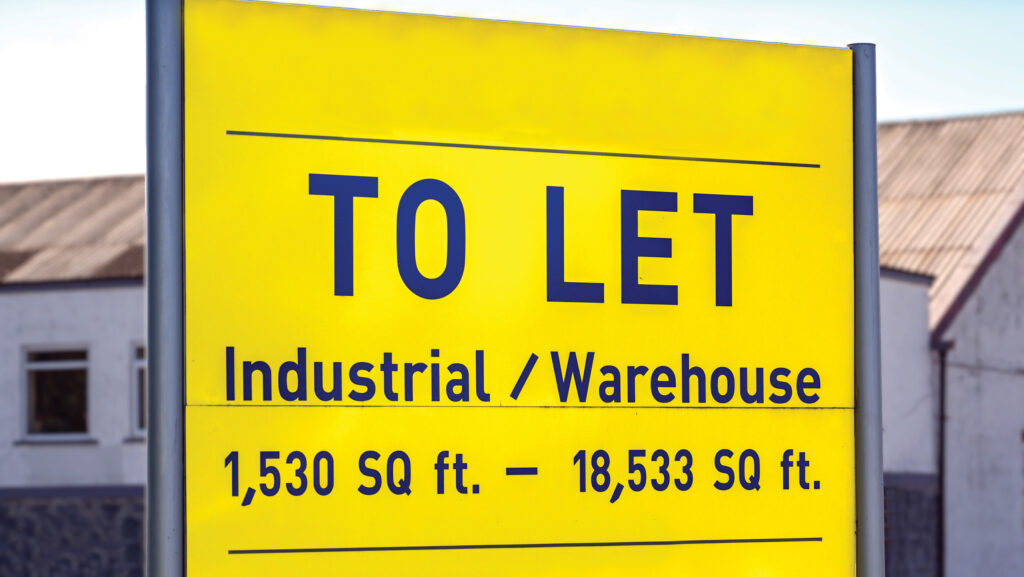
Q: We are considering how to maximise our income and feel letting out some sheds as commercial space is an option.
What should we be aware of and what do we need to check with our accountant?
We don’t want to incur more professional costs than necessary – the whole aim is to increase the revenue of the farm.
A: Diversifying can be an excellent way to create new income, whether through letting buildings, dog-walking fields, tourism, or residential use.
But before you jump in, it’s essential to speak with your accountant.
Even a short conversation can save you from costly surprises later. Your accountant understands your specific business structure – company, partnership, or sole trade – and how a change of use will affect tax, inheritance planning, succession planning and the wider farm.
Good planning can prevent unnecessary tax bills later and I would hope it would be a good investment.
A shift away from agricultural use isn’t just a planning matter; it has real tax implications. Below is an overview of the main areas to consider, though the impact will always depend on your individual circumstances.
Income tax – rental income is treated differently from trading (farming) income. You’ll need to keep separate records of all income and expenses relating to the let property.
You also need to consider how this additional income could impact your tax position.
Could this push you into the higher or additional rates of tax? Also, from January next year, those with rental income and/or sole trade income will have to report their income and expenses quarterly to HMRC under the next step of its Making Tax Digital initiative.
National insurance (NI) – at present, rental income doesn’t attract NI, which is a positive. However, it also doesn’t count as “relevant earnings,” meaning you can’t use it to justify pension contributions.
Capital gains tax (CGT) – once a building is no longer used in the farming trade, it may stop qualifying for reliefs such as:
- Business asset disposal relief
- Rollover relief
- Holdover relief
Losing these reliefs can increase the CGT payable when the building is sold or gifted.
Inheritance tax (IHT) – changing from agricultural to non-agricultural use may:
- Increase the building’s value
- Remove eligibility for agricultural property relief (APR)
- Potentially remove business property relief (BPR), depending on how your business is structured.
This can significantly increase the value exposed to IHT. For some farms, the long-term IHT cost can outweigh the extra income generated.
Value added tax (VAT) – this often becomes more complicated once you move outside pure agriculture.
Generally, rental income is VAT-exempt unless:
- The activity is self-storage (which is standard-rated), or
- You make an option to tax, which allows you to charge VAT on the rent and reclaim VAT on related costs.
Be aware that having this exempt income could impact the ability to recover VAT across the whole business.
If you spend more than £250,000 on a building, the VAT capital goods scheme may apply, which can create VAT adjustments if ownership or use changes later.
Stamp duty land tax (SDLT) – this tax normally applies when buying land or granting long leases, but it can also be triggered elsewhere. For example, diversifying might shift a farming partnership toward a property partnership, and if profit shares change, SDLT charges can arise.
Risk – you should also consider the structure of this new venture. Some diversifications can bring additional business risk which may be suited to being run in limited liability entities.
Before starting any diversification project:
- Review who owns each asset
- Ownership – whether it is and should be personal, partnership, company or trust – this affects every tax area above.
Think ahead to succession
The period when assets are still agricultural is often the best time to restructure or pass them to the next generation, especially while CGT and IHT reliefs remain available.
However, we need to consider who wants to use the future profits of this diversification.
Keep excellent records
Conversion costs are capital, not revenue, and records may be needed many years later for CGT calculations when the building is eventually sold.
Do you have a question for the panel? Outline your legal, tax, finance, insurance or farm management question in no more than 350 words and Farmers Weekly will put it to a member of the panel. Please give as much information as possible. Email your question to FW-Businessclinic@markallengroup.com using the subject line “Business Clinic”.