Almost three-quarters of farms diversify to subsidise income
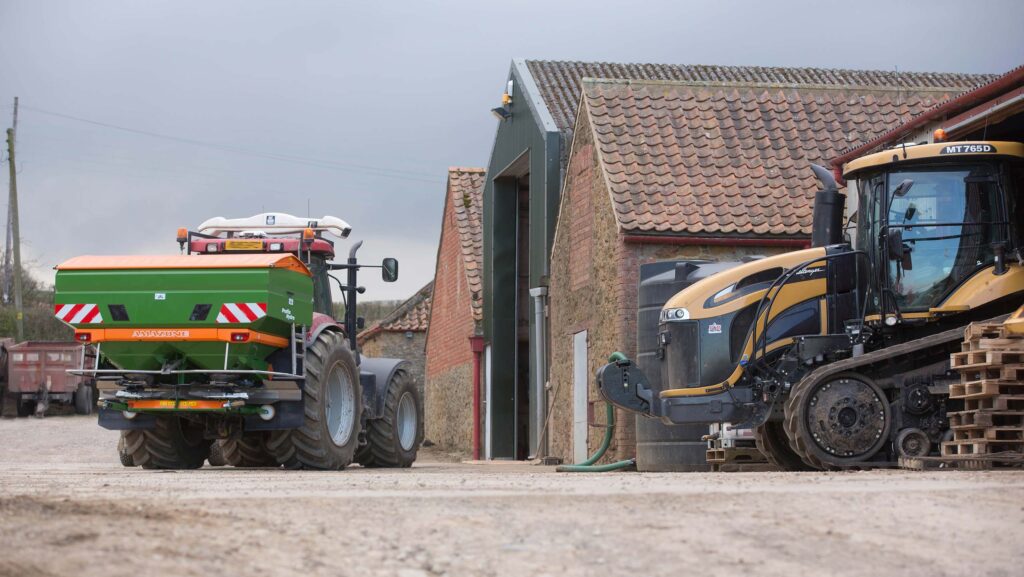 © Tim Scrivener
 Defra’s farm accounts in England revealed a significant shift in income sources, with less revenue coming from traditional support payments and a greater reliance on agricultural activity, diversification, and agri-environmental schemes.
A detailed breakdown shows that 72% of farm businesses in England received income from a diversification in the past year, up from 61% in 2014-15.
Farm business income figures for the year ending 28 February 2025, showed income from diversified activities increased by 21% on the previous year to £22,400, accounting for 31% of total farm business income on average.
See also: Farm business incomes show partial recovery after sharp fall
The most popular form of diversification was letting out farm buildings; with half of all farm businesses surveyed in England receiving an income from this.
Solar was the second most popular diversification, with 27% of farm businesses generating solar energy, having increased from just 14% of enterprises in 2014-15.
Meanwhile, roughly 12% of farm businesses surveyed had diversified into other sources of renewable energy.
Other major diversifications included offering tourist accommodation, providing a retail offering, and sports and recreation.
Government schemes
Changes to government schemes have contributed to a sharp decline in Basic Payment Scheme (BPS) income through delinked payments.
BPS income had accounted for 55% of farm business income at the start of the transition period in 2020-21, but last year accounted for just 19% of income, with an average net payment of £13,500.
This figure is expected to fall sharply again this year with delinked payments now capped at just £600 per farm in England.
However, uptake in agri-environment schemes has increased, with farm business income from agri-environmental schemes lifting by £11,000 on the year to £21,100 for the 2024-25 financial year – equivalent to 29% of farm income.
Income directly from agricultural activities increased across all enterprise to £14,200 in 2024-25, with higher outputs from livestock farms offsetting reductions in the cereals sector.