Phone mast income ruling hits farmers and landowners
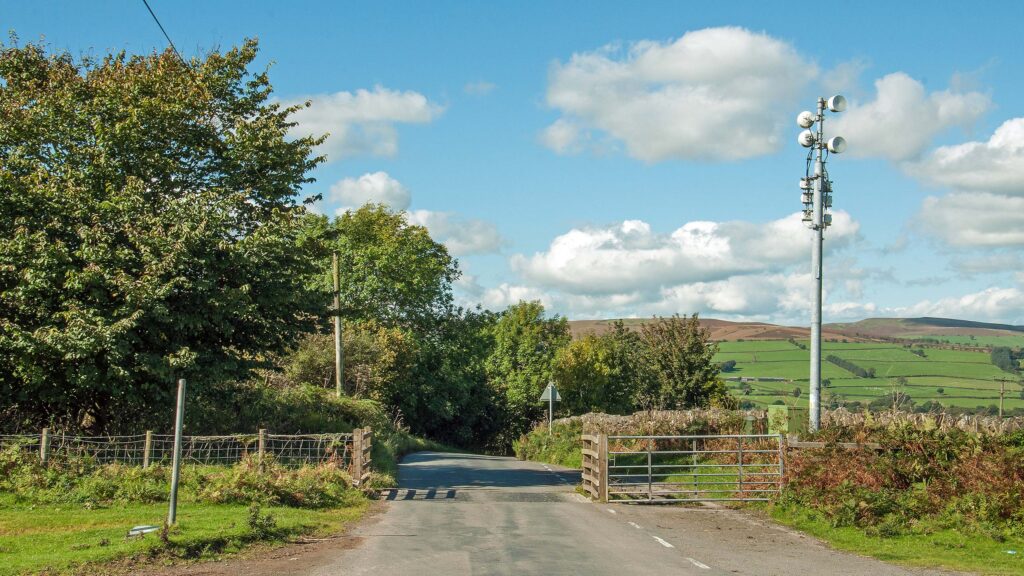 © Adobe Stock
 A 2025 Upper Tribunal ruling has confirmed that landowners are not entitled to payments from mobile phone mast site sharing, reducing income for farmers and other rural landowners across the UK.
The decision in On Tower UK Ltd v AP Wireless II (UK) Ltd case LC-2024-739, known as the Ewefields appeal case, has confirmed that landowners cannot receive additional “pay-away” payments.
See also: Farmers challenge government claims of better mobile signals
The ruling follows changes made to the Code in 2017, which removed the explicit ability for landowners to charge for site sharing, but left uncertainty around how sharing provisions should be applied.
Prior to 2018, landowners typically received an annual rent for hosting a mast, along with a share of income if the site was used by multiple operators.
Mobile network operators often charged competitors annual fees of up to £15,000 or more to share a site, depending on factors such as location.
Landowners usually received between 10% and 50% of this extra income, most commonly around 30%.
Sharing arrangements were encouraged to limit the number of masts in the countryside, reducing visual impact and environmental harm.
However, recent decisions have consistently cut the financial return for those hosting telecoms infrastructure.
When leases are renewed, annual rents for rural mast sites have fallen from about £7,000 to £2,000, even before the removal of sharing payments.
“The Ewefields tribunal decision confirms that site sharing forms part of the operator’s Code rights and does not attract additional consideration,” said Oliver Sinclair, a specialist surveyor at the Cupar office of independent property consultancy Galbraith.
“While this supports wider policy objectives around network rollout, the practical effect is that landowners are receiving far less income from these sites,” he said.
Mr Sinclair added that operators “remain able to derive significant commercial value from site sharing arrangements between themselves, but a share of that value no longer flows to the landowner”.