

Farmers retain relaxed rules for moving fuel and fertiliser
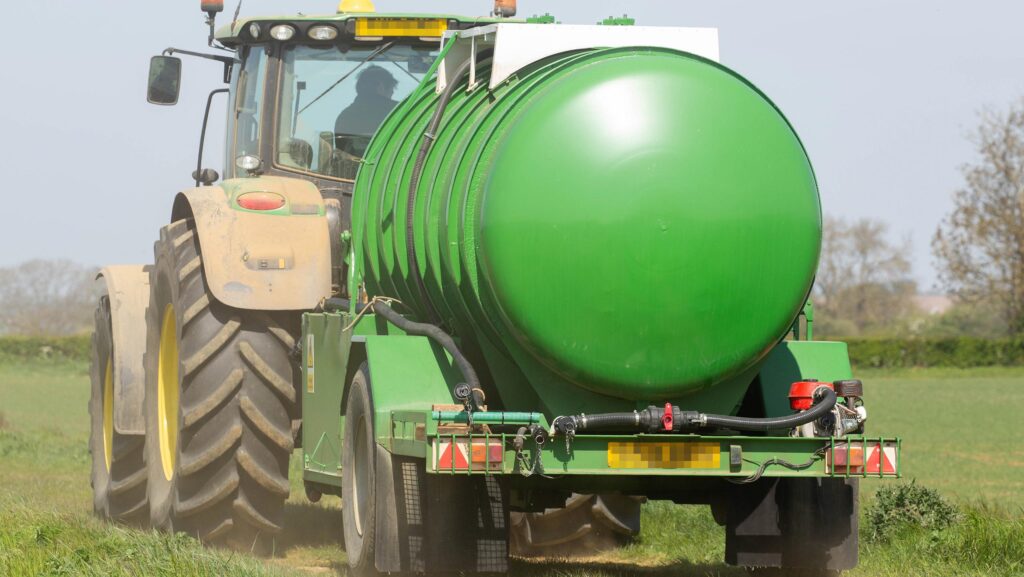 Farmers can continue to transport fertilisers with reduced restrictions © Tim Scrivener
 The NFU has secured the continuation of crucial exemptions from the Carriage of Dangerous Goods (CDG) regulations for farmers and growers, allowing them to transport fuel, fertilisers, and other hazardous materials with reduced restrictions.
These exemptions, negotiated with the Department for Transport (DfT) and the Carriage of Dangerous Goods Practitioners Forum (CDGPF), apply to routine agricultural operations, easing the burden of full ADR (international carriage) compliance while maintaining essential safety standards.
CDG regulations govern the movement of hazardous goods, including packaging, vehicle requirements, and contingency procedures in case of spillages or accidents.
See also: Opinion: It’s time to introduce a fit-for-purpose tractor test
NFU deputy president David Exwood said: “While the exemptions remove a barrier, they still require careful movement.
“Nothing is more important than working safely, and this guidance will help farmers do that efficiently.”
The exemptions cover key areas: farmers can transport essential goods such as red diesel and fertiliser using tractors and bowsers without full ADR compliance, provided vehicles are roadworthy, loads are secure, and speeds are limited to 25mph.
For road vehicles exceeding 25mph or carrying more than 1,000 litres, standard ADR regulations apply.
Farmers must also ensure proper fire safety equipment is on board, including a 2kg dry powder extinguisher.
Specific guidance
The NFU has partnered with the National Police Chiefs’ Council, CDGPF, and DfT to produce agriculture-specific guidance for safe handling and transport, covering load security, vehicle maintenance, and training requirements.
Extra care is advised when young people are involved, ensuring proper instruction and competency before moving hazardous materials.
By maintaining these exemptions, agricultural businesses can operate efficiently while protecting drivers, the public, and the environment.
Farmers are encouraged to follow best practice guidance, regularly inspect vehicles and loads, and stay informed about CDG regulations to ensure compliance and safety.