

Budget analysis: IHT concessions but added taxes elsewhere
 © Chris Lofty/Alamy Stock Photo
 Chancellor Rachel Reeves’s 26 November Budget made the £1m inheritance tax (IHT) allowance on qualifying assets transferable between spouses and civil partners.
This brings the rules for this allowance in line with the other exempt amounts such as an individual’s £325,000 nil-rate band and their residence nil-rate band of £175,000.
See also: Will reviews: advice for farmers on priorities and pitfalls
The ability to transfer the £1m allowance includes circumstances where the first death occurs before 6 April 2026.
Sam Doherty, a partner in the succession and tax team at law firm Thrings, says: “Although we haven’t been given an exact date, it has been confirmed that it will be possible to backdate the transfer. We need confirmation of the exact date.
“Potentially, it will work the same as when the transferable nil rate band was introduced.
“This was brought in for deaths after 9 October 2007 but could be claimed on the second death as long as the first death had occurred after 12 November 1974.”
Sam says it has also been confirmed that the first spouse or civil partner to die need not have passed £1m of farming assets to the second spouse for the second spouse’s estate to be able to claim the £2m on the second death.
“This means we do not need to try and equalise the farming assets between spouses for older farmers, which would potentially risk business property relief claims on the uplifted value of the land over and above the agricultural value,” she explains.
“As long as you are married or in a civil partnership and the second to die owns at least £2m of farming assets on death, their estate will be able to claim the £2m relief.
“All of this is positive, and while it is a very small concession in the scheme of things, it does mean you do not have to overlook your spouse on first death or put into place trust structures which can affect a partnership’s ability to claim capital allowances and can cause complications.”
However, Sam cautions that the change will potentially add another layer of planning for those who have been widowed and then married again.
Tax reminders
- Business asset disposal relief (BADR) – the capital gains tax rate when claiming relief on the sale of a business or its assets – will rise to 18% from 6 April 2026. It is currently 14%, and until April 2025 was just 10%. There is a lifetime limit of £1m of qualifying gains across all disposals made on or since 11 March 2020, and conditions must be met to qualify for BADR
- From April 2027, pension funds will be included in a person’s estate for IHT purposes
Income tax
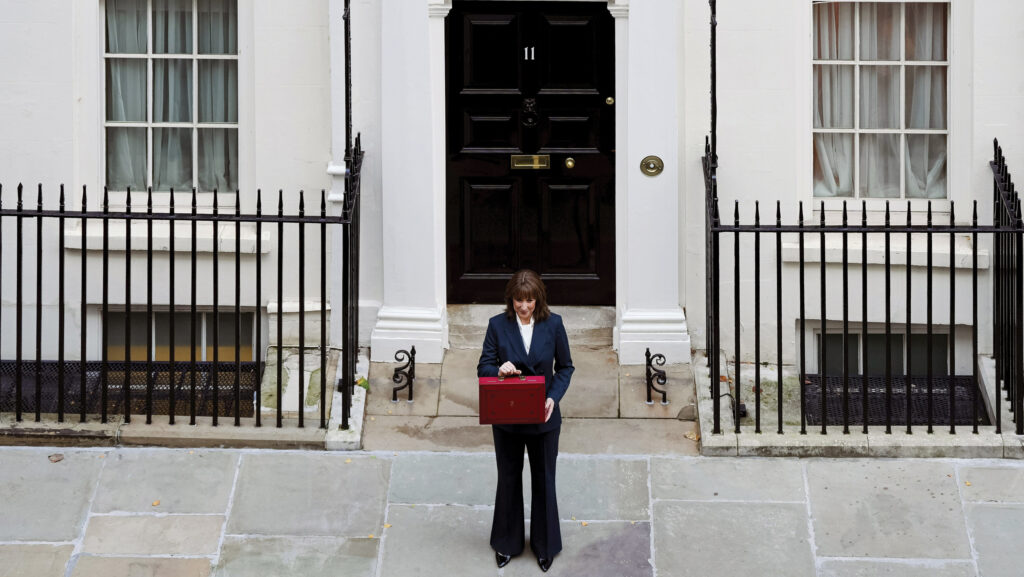
Chancellor Rachel Reeves on Budget Day © Ben Dance/FCDO
The chancellor’s big stealth tax for everyone is the freezing of the £12,570 personal allowance before income tax becomes payable, says Robert Hood, a director of accountant Xeinadin.
The allowance was frozen for a further three years until April 2031, which will bring more individuals into the tax net and more into the higher-rate tax bracket as wages and incomes rise.
Robert adds that it will make sense in some cases for those trading as a partnership to review membership and potentially bring in additional partners.
Farm businesses should also consider paying family members, including minor children, for work they do in the business in order to make use of their personal allowance, he says.
The threshold at which the 40% higher rate kicks in remains at £50,270 and is also frozen until April 2031.
The additional rate threshold, at which income tax rises to 45% (48% in Scotland), is £125,140 until April 2031.
Once income reaches this level, the £12,570 personal allowance is reduced by £1 for every £2 of income between £100,000 and £125,140.
Other budget detail
- IHT thresholds The £325,000 individual IHT nil rate band and the residence nil rate band of £175,000 were extended at current levels for a further year until April 2031.
- Wages From 1 April 2026, the national living wage in England will increase by 4.1% to £12.71 an hour. The national minimum wage for 18- to 20-year-olds will rise by 8.5% to £10.85 an hour and for 16- to 17-year-olds and apprentices by 6% to £8 an hour. The accommodation offset will increase by 4.1% to £11.10/day.
- Business rates A reduction from the standard business rates multiplier from April 2026 will benefit many farm diversification enterprises in the retail, hospitality and leisure sectors.
- Universal Credit The two-child benefit cap was lifted in the Budget. Adviser Land Family Business points out that the income ceiling for Universal Credit now stretches well beyond £70,000 for some couples and that an entitlement of just 1p/month can unlock other benefits, so eligibility should be checked.
Rented property and savings
Farmers and others with let property will pay additional tax on their rental income from April 2027, when income from property and savings will be taxed at a new rate of 22% for basic-rate taxpayers, 42% for higher-rate taxpayers and 47% for additional-rate taxpayers in England, Wales and Northern Ireland.
For savings and dividend income it will apply UK-wide. The Scottish and Welsh governments will be given the ability to set their own property income rates.
Dividend income
Shareholders in farming and other companies will pay more tax on their dividends from the 2026-27 tax year.
The rate for basic-rate taxpayers will rise by two percentage points to 10.75%, while the upper rate for those paying higher-rate income tax will increase by the same amount, to 35.75%. The additional rate will remain at 39.35%.
Sam Kelly of Kelly Consulting cautions that in some circumstances it may be that a limited company is no longer the best structure.
“The increase in tax on dividends from April 2026 means it’s important to review salary and dividend structure ahead of this to ensure you are operating as tax-efficiently as possible,” he says.
Robert points out that the Budget also set out that personal allowances must be offset against employment, trading and pension income first, before property and dividend income, which in future will be taxed at the new higher rates.
High value property – additional council tax
It is not clear how or if the new high value council tax charge on properties worth more than £2m will apply to farmhouses.
The charge, introduced in the Budget, will apply from April 2028 and starts at £2,500/year, rising to £7,500/year for properties worth more than £5m, based on valuations to be reviewed next year.
Property owners, rather than occupiers, will be liable for this additional charge, with local authorities collecting it on behalf of central government.
There will be a public consultation on the details, which will cover the treatment of those who are required to live in a property as a condition of their job (tied property).
Sam Kirkham, a partner in accountant Albert Goodman’s farms and estates team, says: “The Budget note does confirm that there will be a full set of reliefs and exemptions.”
There will be a public consultation on the details, which will cover treatment of those who are required to live in a property as a condition of their job (tied property).
“However, whether this will extend to owner occupied farmhouses we will not know until the consultation is released,” Sam adds.
Capital allowances
© Adobe Stock
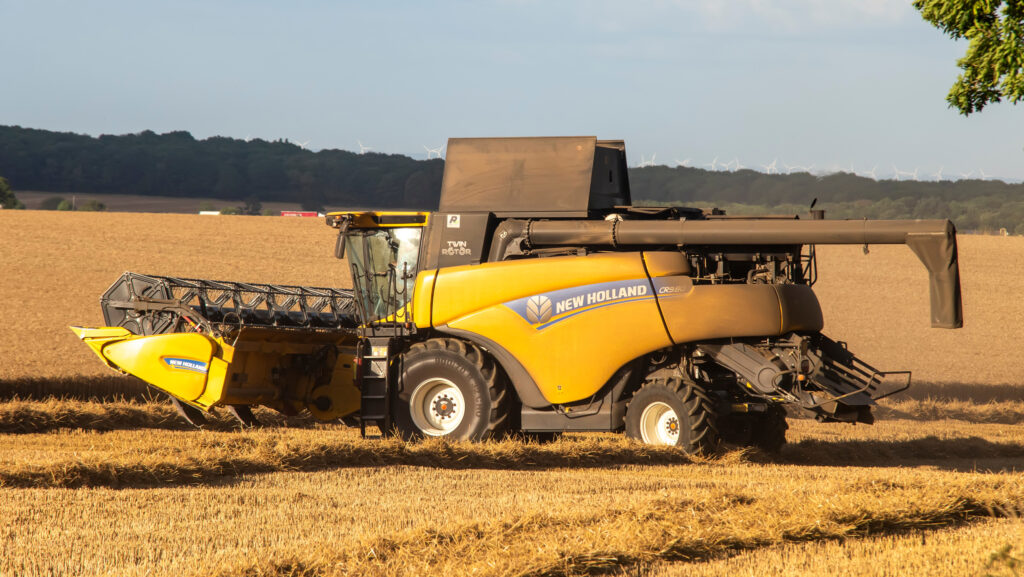
A new 40% first-year allowance on plant and machinery, from 1 January 2026, will help sole traders and partnerships spending more than the £1m Annual Investment Allowance (AIA) on qualifying plant and machinery, or on items which do not qualify for the AIA.
It will also be useful for those structures that mean they are not able to use the AIA – for example, partnerships which include a company as a partner.
Companies already have “full expensing”, allowing them to set the full cost of their equipment purchases against income in the year in which the spending is incurred, with no limit.
However, the new 40% first-year rate is available to both incorporated and unincorporated businesses and covers leasing assets which are currently not eligible for full expensing.
The new 40% rate is not available on cars or second-hand equipment.
In a negative move for businesses, from 1 April 2026 for corporation tax and 6 April for income tax, the main rate writing-down allowance will reduce from 18% to 14%, which will be a disincentive to investment.
Post-Budget webinar
Farmers Weekly will be hosting a free post-Budget webinar on 16 December, offering further advice and insights from our Business Clinic experts.