

Farmer hit by council tax hike on holiday lets
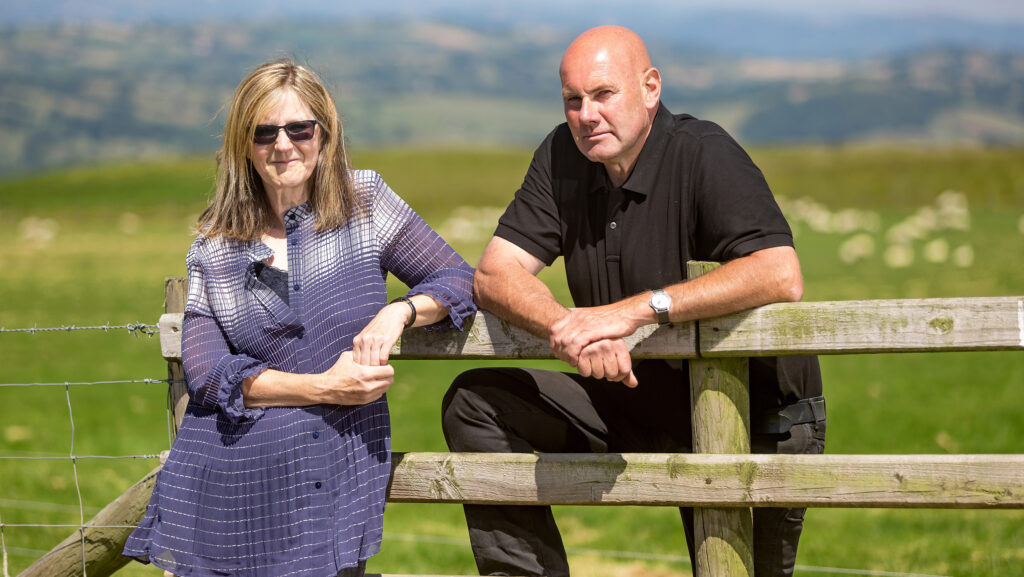 © Richard Stanton
 A mid-Wales farming couple have told how they were hit with an £11,000 council tax bill because their holiday let wasn’t occupied for long enough under Welsh government rules.
John and Sarah Yeomans, who farm beef and sheep on 109ha near Adfa, Newtown, purchased the five-bedroom house and land adjoining their farm to supplement their income, alongside full-time farming duties and Mrs Yeomans also working extra part-time jobs.
See also: Furnished Holiday Lets regime – advice on abolition of tax rules
The holiday let was occupied for an average 140 days, falling short of the 182 days required by the Welsh government to qualify as a self-catering property.
Retrospective bill
Powys County Council issued a retrospective £11,200 bill last Christmas, to cover two years in which the property did not meet the minimum occupancy threshold.
“This was absolutely shocking,” said Mr Yeomans. “We’ve been pushed towards diversifying and have gone down that road, only to get shafted by the Welsh government and Powys County Council when they changed the rules.
“This puts us on a back foot compared to other home nations where the occupancy threshold is much lower.”
The family have been renting the land since 2000 and purchased the house and grounds, which are integrated into their family farm, in 2019.
Repeated Covid lockdowns meant they were unable to let the property, and building work was delayed. It was only used by holidaymakers in 2022.
“This past year, we have managed to hit the 182 minimum occupancy target, but we are still paying the council tax bill.
“We don’t dictate how many days people book to stay here, and it is available year-round apart from a week during lambing time. What can you do?” Mr Yeomans said.
Rule changes
Welsh government rules changed in 2023 and specify that a self-catering property must be occupied for at least 182 days a year and no more than 252 days to be classed as holiday accommodation – more than double the previous 70-day occupancy rule.
However, if the property isn’t occupied for 182 days, it is classed as a second home and subject to increased council tax rates.
Local authorities in Wales can also charge a premium on second homes or empty properties, ranging from 50% to 300%, depending on location. In Powys, a 75% premium is applied to such properties.
“They say they want tourists in Wales, but a lot of farmers are looking at stopping their holiday lets and are frightened of not meeting the required threshold and being landed with a bill they can’t pay,” said Mr Yeomans.
Disproportionate impact
Farmers’ Union of Wales regional vice-president Brian Bowen said that many diversified farms struggle to let self-catered accommodation units for at least 182 days a year due to farming commitments and a competitive holiday let market.
“Despite the Welsh government’s concerted efforts in recent years to encourage farmers to diversify in preparation for changes to agricultural support policies, many of these businesses have been disproportionately impacted,” said Mr Bowen.
He added that the policy had placed “significant strain on farm-based diversification ventures at a time when their resilience is already being tested”.