IHT changes drive landowners away from woodland creation
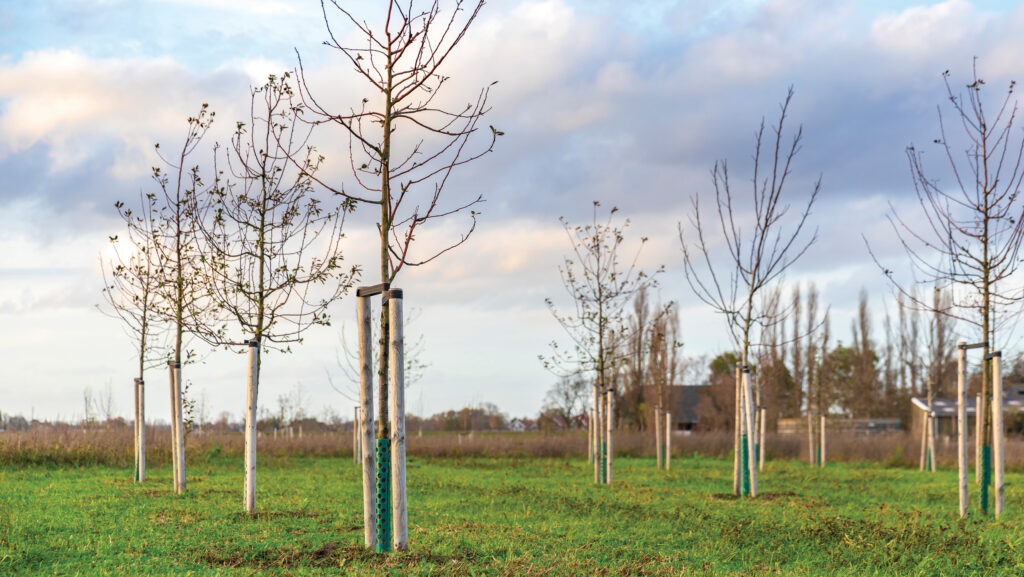 © Sander Meertins/iStockphoto
 Almost two-thirds of UK landowners and estate managers say they are now less likely to invest in new woodland following changes to inheritance tax (IHT) thresholds, according to an industry survey.
It was carried out by the Country Land and Business Association (CLA), the Confederation of Forest Industries (Confor), and the Royal Forestry Society (RFS).
The survey received more than 200 responses and highlighted the impact that IHT changes could have on woodland creation.
See also: Why tax planning is still crucial despite IHT concessions
A lack of investment in UK woodland could impact on future timber supplies, along with carbon storage targets and nature recovery.
Respondents noted that planning investment in woodland often needed to consider multi-generational timescales.
And family-owned woodland may be more at risk of being sold off or harvested earlier than normal to reduce future tax liabilities.
CLA president Gavin Lane said: “A drop in tree planting, earlier felling, land sales – these are the warnings from the UK’s forestry sector, as woodlands risk becoming unintended casualties of the government’s inheritance tax changes.
“We know these reforms are hurting family-owned businesses across the UK, but their impact on forestry has received far less attention.
“The government has legally binding environmental targets and ambitions to accelerate tree planting.
“This evidence suggests those goals are now in danger, undermining the sector and the investment made to date.”
Solutions
The CLA says it is ready to work with the government to help find solutions to meeting environmental and tree cover targets.
Stuart Goodall, chief executive of Confor, added: “Nearly 60% of respondents said they are now less likely to create new woodland.
“And many are already considering bringing forward timber harvesting, woodland sales or restructuring ownership.
“Such actions will undermine delivery of the government’s own policies on nature recovery, carbon, timber supply and the rural economy.”
The Royal Forestry Society also raised concerns about trees being felled prematurely and future tree plantings being under threat as a result of IHT changes.
Christopher Williams, chief executive of RFS, concluded: “Forestry provides numerous public goods upon which we all depend.
“We look forward to constructive dialogue with government to address these matters at the earliest opportunity.”