Countryside living costs 20% higher than towns
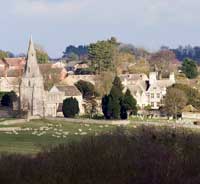
The cost of living in the countryside is 20% higher than in urban areas, a report by the Joseph Rowntree Foundation has concluded.
The charity which carries out social policy research said the increased costs meant gross pay rates had to be far higher to ensure take-home pay was adequate.
A single person living in a village needed to earn at least 50% above the minimum wage (£5.93 an hour) to make ends meet, the report said.
With low pay more common in rural areas, many rural workers fall well short of being able to afford their essential needs, it added.
The research was carried out for the Commission for Rural Communities by the same team at Loughborough University that calculates the Joseph Rowntree Foundation’s Minimum Income Standard for the United Kingdom.
The standard is based on what items ordinary people think households need to afford a minimum acceptable standard of living.
The researchers talked to groups of people in rural England about what things are essential in rural towns, villages and hamlets.
The findings illustrate that the more remote the area, the greater the extra expense.
To afford a minimum standard of living, a single person needs to earn at least:
• £15,600 a year in a rural town
• £17,900 a year in a village
• £18,600 in a hamlet or the remote countryside.
In comparison, urban dwellers need £14,400, to meet the specified minimum.
The report also found that a car was a significant additional cost for rural households because residents said that public transport was insufficient to meet essential travel needs.
And it concluded that many rural dwellers faced higher energy bills because the lack of a mains gas supply meant having to use more expensive fuels, while housing in the countryside was less energy efficient.