How alternative enterprises can provide valuable farm income
 © Adobe Stock
 The most common form of diversification is letting out buildings for commercial purposes, with storage, workshops and office spaces among the most popular uses.
Even when commercial lets are removed from the statistics, almost half of UK farms have some form of alternative enterprise.
However, there may be underused resources on many farms that can bring in additional income, spread risk and in some cases make more efficient use of labour.
See also: What’s hot and what’s not in the farm diversification market
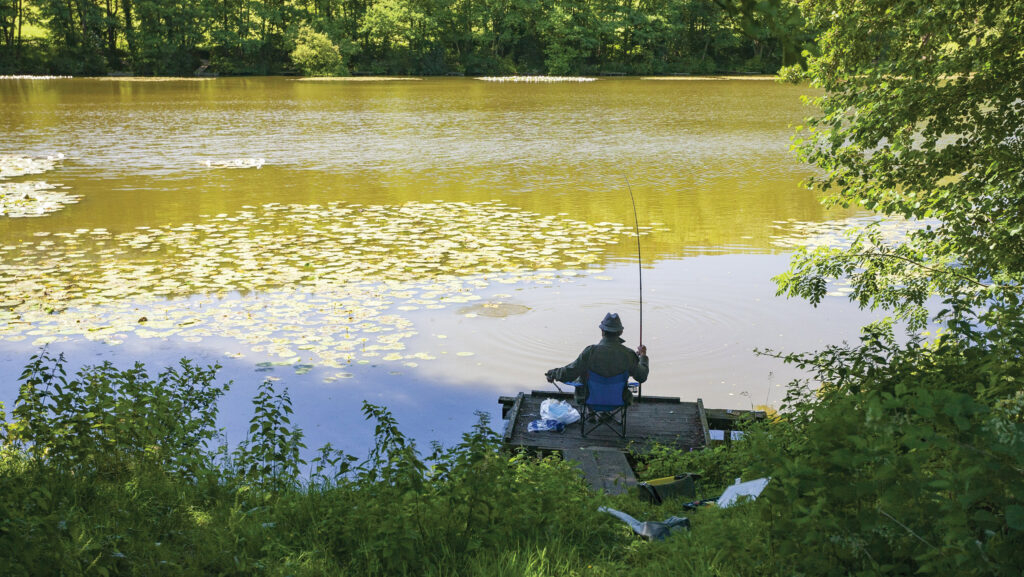
Coarse fishing
Coarse fishing is a regular pastime for about 1.5m people in the UK who catch, weigh and return fish to rivers, streams, canals, lakes or ponds.
Demand for fishing sites is growing.
Most lakes and ponds can be fished year-round but there is a close season in England and Wales from 15 March to 15 June on rivers, streams, drains, and some canals and still waters.
This doesn’t apply in Scotland but some local bylaws may restrict access.
The 2026 Nix Farm Management Pocketbook puts the income from well managed farm ponds and lakes at an estimated £15,000/ha, with a gross margin of £5,115/ha.
More is achievable with top-end offerings.
The opportunities for additional income from services such as camping or other accommodation can make the right location and quality of offering more lucrative.
Income comes both from selling permits to fish and from sales of smaller fish which are removed and sold as part of the management of the waters.
Permit prices vary widely – the better the resource is managed for fish quality, access to the pegs (platforms for fishing) and surroundings, including parking and other facilities, the higher the charge.
Nix suggests a half-day charge for up to two rods ranges from £5-£10, and a full day £8-£20. It puts season tickets at £200-£300.
The Environment Agency’s national coarse fish rearing unit at Calverton in Nottinghamshire produced and stocked 510,488 fish in 2024, an increase of 6.5% on the previous year.
This supplies high quality, fit-for-purpose fish for release into the wild throughout England, with production funded by the income from rod licence fees which all coarse fishers must pay (£35.80 for an adult annual licence).
Species produced by the EA’s rearing unit include Barbel, Bream, Chub, Crucians, Dace, Grayling, Roach, Rudd and Tench.
Example margin for 1ha coarse fishing lake |
|||
|
|
|
Per peg |
Per lake |
|
Income |
Fishing permits |
1,170 |
14,040 |
|
|
Fish sales |
80 |
960 |
|
Output |
|
1,250 |
15,000 |
|
Costs |
Set-up capital |
146 |
1,750 |
|
|
Peg maintenance |
13 |
150 |
|
|
Fish restocking |
10 |
125 |
|
|
Fish feed |
158 |
1,900 |
|
|
Plants and grounds maintenance |
42 |
500 |
|
|
Staff and management |
375 |
4,500 |
|
Total costs |
|
744 |
8,925 |
|
Gross margin £/ha |
|
426 |
5,115 |
|
Source: Nix Farm Management Pocketbook 2026. Note: Figures based on a 12-peg lake selling 20 half-day tickets/peg a year, 20 full-day and four season tickets (£200 each) |
|||
Turf production

© Iryna Melnyk/Istockphoto
An alternative land use, rather than a strict diversification, is to lease land out for turf production.
While some farmers produce turf on their own account, this needs to be at considerable scale, estimated at 150-200ha, in order to justify the machinery and other investment.
Most of the production for the estimated 16,000ha of UK land in turf is in the hands of specialist growing companies.
Many of these are members of the Turfgrass Growers Association (TGA), whose members produce about 70% of the cultivated turf grown in the British Isles.
Temporary grass in a cropping rotation can help deal with some weed problems, as well as breaking pathogen lifecycles.
Land is rented in by grower businesses on a per crop basis, with 12-18 months needed from preparation to harvest, and typically just one to two crops taken.
Nix puts rents for turf land at £480-£740/ha a year. Level, stone-free land is needed, with good access.
The number and type of weeds present affects the attractiveness of a site to growers.
The increasing unpredictability of the climate and weather means the availability of irrigation will make a site more appealing.
Demand for dog-walking fields still growing
© Dog Walking Fields
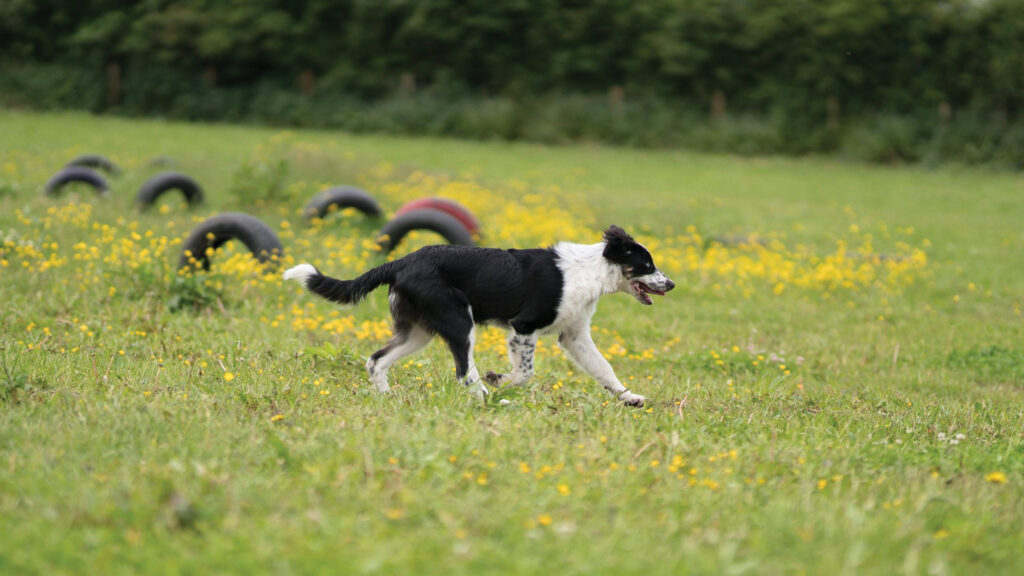
There now are an estimated 3,500 dog-walking field sites in the UK, some with multiple paddocks.
This is a market that has matured, says British Dog Fields consultant Hannah James, who specialises in the sector.
“Yes, there are more fields – but demand hasn’t cooled. Dog ownership remains high, but owners have become fussier.
The fields that thrive look thought-through, with decent parking, quality fencing, good drainage, and a space that actually works for dogs and humans. It’s design thinking, not just fencing.
“The changes in the market have on balance been very good,” she says.
“However, it now typically takes six to eight months to achieve an 80% booking rate, compared with the early days when a field would open and be fully booked straight away.
“Previously you would often be able to get back your return on investment within those six to eight months but it is now taking longer,” says Hannah.
Field sizes range from less than 0.5ha to 12ha and there is definitely scope for more niche fields, she adds.
For example, the market saw many reactive and nervous dogs using fields in the early days and during Covid restrictions.
“Early paddocks were a simple rectangle perhaps with a couple of logs or tyres. The market for that is now limited and there are different needs.
“There are immune-compromised and elderly people who are concerned about walking in parks, they want a calm environment, a nicer, softer place to be where it is easy to move around.”
Farmers planning dog fields should visit those outside their area, as well as local sites, otherwise they risk not offering something different, says Hannah.
They should also consider offering a habitat and environment that is more than just a grass field – different grass lengths and diverse plantings help.
“In some areas, a high proportion of dogs are working breeds – a 2-acre paddock doesn’t do it for a collie,” says Hannah, who expects the sector to be regulated in some form in future.
Automation is helping smart operators, not just with bookings but for marketing and customer follow-ups, says Hannah. This means less admin, fewer missed messages and more consistent income.
“Diversification is on the rise too – for example, structured group sessions, enrichment zones, small events and seasonal extras. Done right, those tweaks turn a steady field into a strong business.”