

Legal blocks to look for when planning farm diversifications
 © Tim Scrivener
 Those planning a new farm-based venture should check for any legal restrictions first, say advisers.
These can include restrictive covenants and historic overage or clawback clauses in sales contracts going back many decades.
Alexander Waples, a partner in the commercial and agricultural property team at law firm Tees, has seen solar developments prevented by restrictive covenants which dictate that the land can be used only for agriculture.
See also: How restrictive covenants can protect value and amenity
This restriction to agriculture only is the most common form of covenant, he says. A covenant can limit land use or impose obligations on the owner or occupier.
No matter the planned alternative use of land or buildings, a covenant persists through time and changes in ownership.
Some are hundreds of years old; others are more recent, such as those preventing development of intensive livestock operations.
For example, a block of 109 acres of Grade 3 land near York was recently marketed with some good modern buildings.
This included a covenant which had been put on in the 1990s preventing occupation of the buildings by pigs or poultry and limiting the erection of additional buildings and the use of any new buildings.
Large landowners often imposed covenants over their land to protect the amenity value, including the views.
Smaller blocks of land on the urban fringe are sometimes subject to covenants for the same reason, says land agent Andrew Black of Savills.
Registered land
Where land is registered with the Land Registry, any covenant will be noted on the title and so is relatively easy to discover through a search costing just a few pounds.
Advisers suggest a quick check is more than worthwhile, as these restrictions are often forgotten about, or owners may even be unaware of them in the first place.
In the case of unregistered land, the covenant will be noted on the title deeds, although the deeds are not always easily located, says Alexander.
How to remove restrictive covenants
Restrictive covenants can be removed in two ways. First, they can be discharged or modified by negotiation, usually involving a payment.
Alternatively the owner of property subject to a restrictive covenant can apply to the Upper Tribunal (Lands Chamber) for a modification or discharge of the covenant, if they can show that it is obsolete, impedes the reasonable development of the land and that its modification or discharge will not cause damage to those who object.
“Broadly, the tribunals have shown reluctance to modify or discharge covenants over land, with less than one-third of applications succeeding,” says Alexander Waples of law firm Tees.
“Those succeeding take time to resolve through the tribunals, but this is possible when other avenues haven’t been fruitful.”
Overage clauses
Overage or clawback clauses included in land and farm sales contracts stipulate, most commonly, that if planning permission is granted for any use other than agriculture within a certain time period, then the seller is entitled to a percentage of the uplift in value caused by the grant of planning permission.
“While the clause itself is not a barrier to diversification, the capital sum that it demands when triggered can render a project completely unviable,” says Alexander.
“This can be a serious amount, and some of the overages go back many years.
Traditional landowners like the coal companies and the Church commissioners put on thousands of these clauses and they can be very punitive, lasting for 99 years in some cases.”
Most overages claw back between 25% and 50% of the uplift in value, and while some diversifications which would trigger them may not be noticed, it is a big risk to pursue a development in the knowledge that it could be triggered.
“You can insure against the risk of the overage becoming payable, but it’s tricky – the insurance market does not have much appetite for this type of business as there is too high a risk of the overage being triggered,” says Alexander.
Where land is registered, an overage will tend to run with the title. However, for those imposed since about 2005, separate overage deeds have been created so that once the period of overage elapses, they can be more easily scrubbed off the title.
Beware of easements

© Adobe Stock
Alternative land uses such as solar, biodiversity net gain and other natural capital uses, as well as the more typical diversifications like holiday accommodation, farm shops and attractions, can also be prevented and affected by easements.
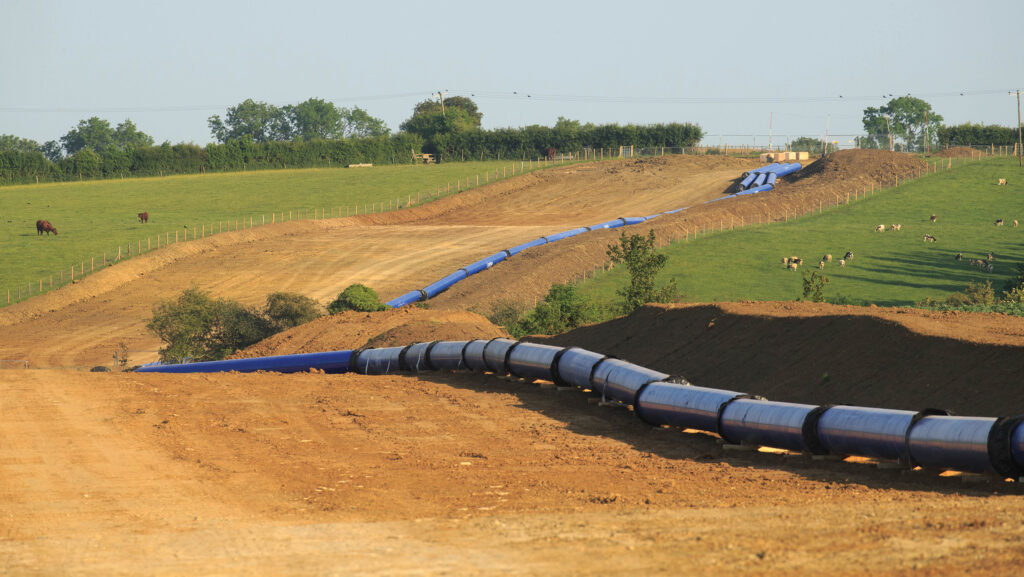
Examples include easements for the benefit of utility companies such as UK Power Networks and water companies where their pipes and cables cross farmland.
In other cases easements are in place for the benefit of farmers and landowners, allowing access for agricultural purposes.
Where these exist and a new venture is planned, this can scupper that plan, says Alexander. Alternatively, the easement may allow full rights of access for all purposes, in which case there is no problem.
Easements can also restrict farmers’ access to services by making their use available only for agricultural purposes.
The most common of this type concerns water, where a borehole or other abstraction is limited to use in farming.

© Georgeclerk/iStockphoto
At Tallent’s Solicitors, senior partner Alistair Miller reinforces the need to check the legal status of land or buildings before embarking on an alternative enterprise.
“Developing an old barn into residential or commercial use, for example, may require new utility connects, such as water, sewer, gas pipes or electricity cables connections.
“Never assume that the title will have express rights to access, renew, enhance, repair and maintain, or make connections to the mains supply directly.
The situation can be further complicated if the connections will cross neighbouring land, requiring additional permissions,” says Alistair.
Do you run an alternative enterprise?
Have any of the issues that affect your business, or are there related matters you think need an airing or some advice?
Get in touch at suzie.horne@markallengroup.com or write to Business Desk, Farmers Weekly, 1st Floor, Chancery House, St Nicholas Way, Sutton SM1 1JB