Farm IHT reforms face fresh scrutiny after deficit shrinks
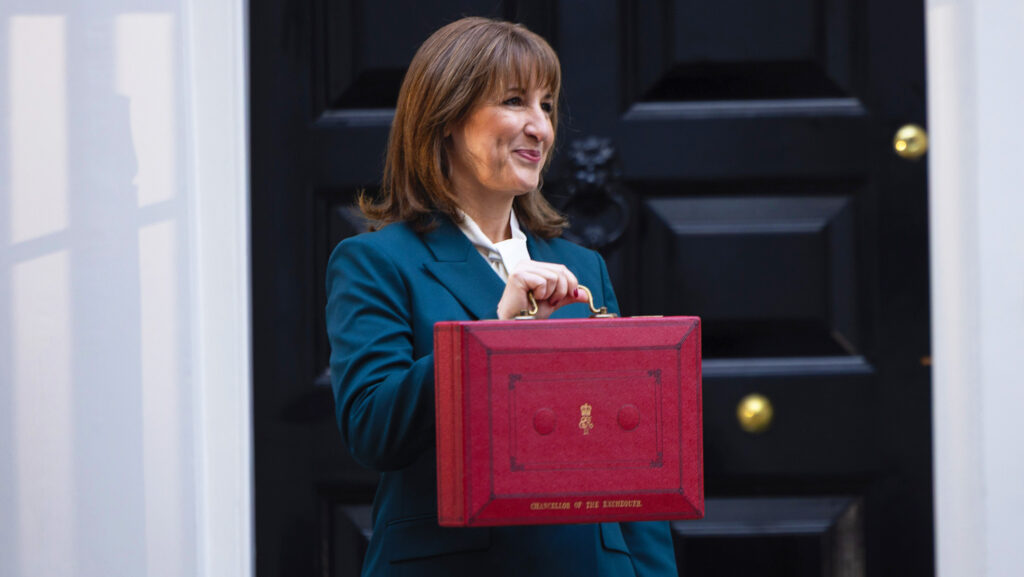 Chancellor Rachel Reeves © Simon Walker/HM Treasury
 Plans to reform farm inheritance tax (IHT) are facing renewed criticism after reports suggest chancellor Rachel Reeves exaggerated a £22bn ‘black hole’ in public finances to justify tax changes in last week’s Budget.
A letter (PDF) sent to the Commons Treasury select committee by the Office for Budget Responsibility (OBR) chairman Richard Hughes revealed that on 17 September he told the chancellor the public finances were in better shape than expected.
By 31 October, the OBR confirmed the Treasury was on course to meet its main borrowing rule for day-to-day spending, with a £4.2bn shortfall – less than half the £9.9bn “headroom” left by the previous government.
See also: Small inheritance tax concession for farmers in otherwise damaging Budget
The Conservatives have accused the government of using a vanished deficit to justify £26bn in tax increases announced in last Wednesday’s Autumn Budget.
Conservative leader Kemi Badenoch said the OBR’s letter showed Ms Reeves had “lied to the public” and called for her dismissal.
Farmers ‘unfairly targeted’
Farming and industry leaders warn that generational farm businesses could be unfairly targeted by changes to farm IHT, if the fiscal crisis ministers cited no longer exists.
The reforms, due to take effect from April 2026, would cap agricultural and business property relief (APR and BPR) at £1m for an individual farm business, with any excess subject to a 20% levy.
Labour ministers argue the changes primarily affect the wealthiest estates, allowing couples to pass on up to £3m tax-free, with IHT due payable over 10 years, interest-free.
But farming organisations have dismissed the claims and warned that the £1m threshold will catch many more family farms than anticipated.
The government says the measure will raise around £500m a year – equivalent to roughly three or four days of total NHS spending – yet farmers warn it could inflict untold damage on generational family farms, forcing many to sell land or assets to meet the tax.
But with the OBR’s figures now contradicting the original fiscal rationale, rural groups are questioning why family farms should bear the burden of a deficit that may never have existed.
‘Need for rethink’
NFU president Tom Bradshaw said: “Our objection to the current proposals remains at all levels. They are anti-growth, anti-investment and tax business assets as personal wealth.
“However, for those who face the acutest impact, it is also inhumane. The cruelty of the family farm tax is that it’s the elderly or terminally ill who will suffer most – those who haven’t got the luxury of time to arrange their affairs to minimise the impact of the tax on their families.
“The government should do the right thing and review the policy to protect the most vulnerable members of our community.”
Mo Metcalf-Fisher, director of external affairs at the Countryside Alliance, said: “The family farm tax has proven to be totally unjustified and unnecessarily harmful. The recent revelations about the alleged black hole in the nation’s finances, which the OBR disputes, will only add more salt to the wound.
“Ministers have sought to justify IHT changes off the back of a hole in public finances, pitting farmers against the NHS. Given what we know now, it underlines the need for the government to rethink these changes before April 2026.”
The government has been asked to comment.