Farmers challenge rule changes to phone mast deals
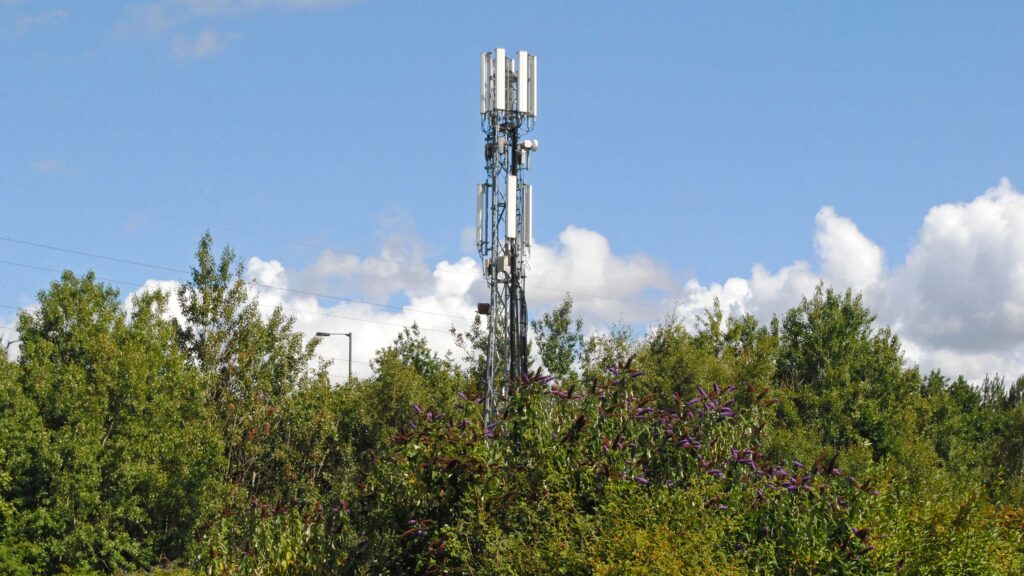 © Adobe Stock
 Changes to mobile phone mast regulations risk driving thousands of rural landowners away from co-operation with network operators, threatening both farm incomes and the UK’s wider mobile coverage.
The changes, introduced on 7 April, extend Part 2 of the Product Security and Telecommunications Infrastructure (PSTI) Act, bringing about 15,000 additional sites under the Electronic Communications Code.
While the government says the reforms aim to reduce costs and accelerate network rollout, landowner groups warn they risk discouraging participation.
See also: Farmers look to abandon phone mast contracts after rent cuts
A coalition of organisations – including the British Property Federation, the Farmers’ Union of Wales and APWireless – say extending this system could worsen already strained relations between landowners and telecoms operators.
In a joint statement, the coalition said: “We support the government’s ambition to improve connectivity and recognise its role in driving economic growth.
“However, it is disappointing to see a framework that has led to increased disputes, longer negotiations, and growing reluctance among landowners to host mobile infrastructure being extended without a clear understanding of how it is working in practice.”
Disputes have increased significantly since 2017, when reforms were first introduced, with more than 1,000 legal cases compared with just 33 over the previous three decades.
A 2025 survey of more than 500 site providers found 35% were considering leaving agreements due to falling rents, legal pressure and declining trust.
Financial impact
Since the 2017 reforms, rents have been assessed using a “no-scheme” valuation model, aligning payments with compulsory purchase principles rather than market value.
For many farmers who host mobile masts, the impact has been financial. Now the extra 15,000 sites will fall within this assessment model.
Country Land and Business Association regional director Tim Bamford said: “Landowners who host mobile phone masts want to continue supporting vital infrastructure, but many are enduring 90% rent cuts and hostile relationships.
“This is putting the UK’s 5G rollout under threat and jeopardising the government’s wider ambitions for economic growth and connectivity.”
He added that addressing the rural-urban digital divide would require faster rollout, but also fairer treatment of landowners.
Poorer coverage
The changes are also likely to impact efforts to improve rural mobile coverage.
The coalition warned: “Where agreements cannot be reached, or relationships break down, sites are delayed, lost, or never secured in the first place.
“That in turn affects coverage, capacity and the pace at which networks can be expanded.”
With the UK already ranking 24th out of 32 European countries for 5G availability, industry groups are calling for the implementation of a formal complaints system under Section 70 of the Act and for the current framework to be reviewed.