Feed barley discount to wheat narrows to just £10/t
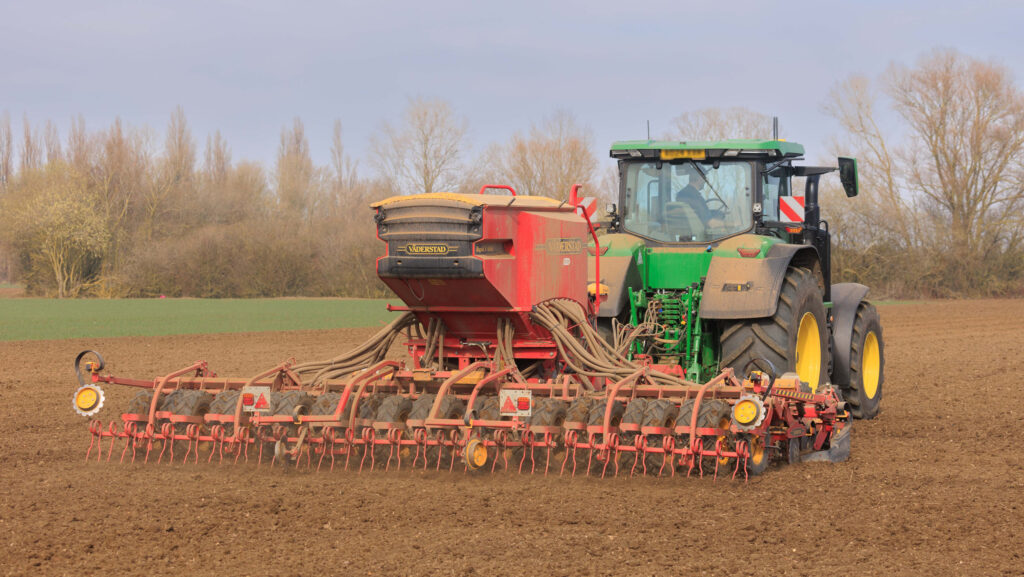 © Tim Scrivener
 The premium for feed wheat over feed barley has eroded in recent months, with improved global demand helping feed barley hold above £150/t.
Spot prices collected by Farmers Weekly on 13 February put feed barley at £151.1/t and feed wheat at £161.3/t, leaving a discount of just over £10/t.
This compares with a price gap of roughly £20/t this time last year, and £15/t two months ago.
See also: Sharp drop in EU fertiliser imports to shore up prices
Andrew Buck, head of UK committed grain at Cefetra, said in certain parts of Europe, barley was trading at parity or at a premium to feed wheat.
He said: “It’s driven because there is demand for barley to China and other destinations.
“There seems to be plentiful supply of wheat around the world, but not necessarily the same plentiful supply of barley.
“Barley is wanted in certain rations and for certain end-users, so it seems to be more in demand than wheat.”
The UK is expecting a smaller barley crop this year, with the AHDB estimating a 15% fall in the planted area in 2026, along with a 1% reduction in the winter barley area.
The combined UK barley area is forecast at 972,000ha, the lowest level since 2011.
Mr Buck said: “There will be less spring barley going in the ground because there was a lot more winter wheat that went in the ground due to the favourable drilling conditions in the autumn.”
Continued heavy rain throughout February may delay spring barley plantings in some regions of the UK, although ground nutrient levels and soil temperatures are still reportedly holding up.
Traders at Frontier say spring drilling is unlikely to begin until March, but the delay is not causing concern just yet due to ample malting stocks.
Malting barley
Global market trends will continue to drive both feed and malting barley prices, according to Scotland’s Farm Advisory Service.
It expects spring malting barley contract tonnage to be lower this year, while feed markets will continue to play an important role.
UK growers are also affected by reduced demand from brewers, maltsters and distillers, with barley use down by 18.5% in the first half of the 2025-26 crop year to total 721,400t.
Julian Bell, principal consultant at SAC Consulting, said: “EU malting barley prices at port are £157/t, down £43/t from £200/t a year ago.”
He added: “Current forward margins are fairly weak for most cereal crops and there are not many obvious alternatives to spring malting barley.
“While choosing to leave fields fallow is not usually a good option for most farmers, given their need to cover fixed costs, putting some poorer land into fallow or a grass break may make sense.
“Where the decision is made to stick with spring barley, this will have to be done on the basis that some may end up in the feed market. Sticking with malting varieties for now with a decision to be made later in the spring season on how much nitrogen to apply maintains flexibility.”
The numbers
- 972,000ha Forecast UK barley area
- 18.5% Fall in barley usage by brewers, maltsters and distillers
- £10/t Current feed wheat premium over feed barley