Grain outlook points to larger UK wheat crop next year
 © Tim Scrivener
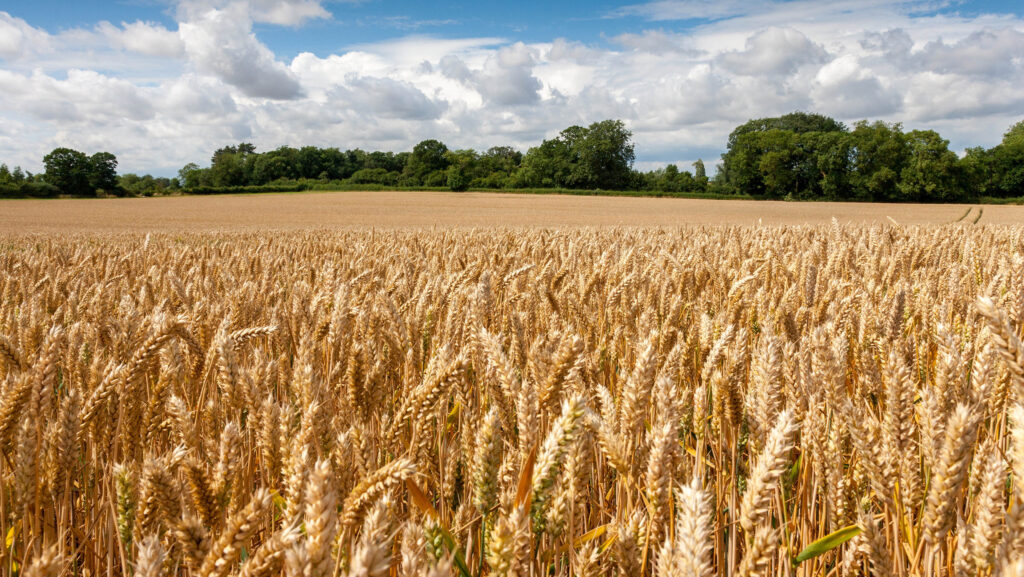
 An increased planted area and favourable growing conditions for this year’s wheat crop point towards a potentially larger domestic crop in 2026.
At AHDB’s Grain Market Outlook, analysts indicated potential increases in wheat and oilseed rape production, alongside declines in barley and oats.
The levy board forecast the UK wheat crop at 13.2m tonnes, based off 10-year average yields, which would put it above last year’s levels, but still below the longer term average.
See also: UK wheat markets falter with global supplies set to rise
However, if crops continue to progress well, as they are at present, and are towards the higher end of yields, this could result in a bumper crop of 15m tonnes.
AHDB’s November crop development report determined that 83% of the 2026 winter wheat crop was classed as in good or excellent condition.
Helen Plant, senior cereals and oilseeds analyst at AHDB, said: “Overall, crop potential for harvest 2026 looks promising, and there is hope that higher yields will help offset current low prices.
“However, it’s important to remember that farmers have experienced two exceedingly difficult financial years and low margins remain a challenge, with depressed malting and milling premiums adding further pressure.”
Wheat imports have reportedly been below last year’s record highs, and the AHDB has projected imports for the season at 2.2m tonnes, just under the five-year average.
This theoretically larger wheat crop, combined with muted demand, could leave the UK with an exportable surplus next year.
Ms Plant suggested that demand for wheat looks mixed, with the US-UK trade deal in the summer compounding an already challenging situation for the UK bioethanol industry.
The closure of the UK’s largest bioethanol plant, Vivergo Fuels, has left a void in the market.
It has also been reported that a second major plant, Ensus, has still not yet restarted following autumn maintenance.
However, demand for animal feed in the UK has been more consistent and there was even some improved demand from the poultry sector.
Current crop
UK feed wheat futures for the May 2026 contract began the month at a new low of £169.40/t, before returning to above the £170/t mark on 2 December.
“Prices are notably lower than this time last year across the board,” said Ms Plant.
She attributed the drop in UK bread wheat prices to a sharp decline in high protein wheat prices globally.
“UK feed wheat futures are actually above Paris milling wheat futures, currently by around £3/t to £4/t.
“That’s a pricing level that usually indicates the incentive to import.”
The AHDB outlined large Argentine and Australian harvests as watchpoints in the global market for the year ahead, which could keep pressure on prices.