NFU session exposes deep flaws in crops supply chain
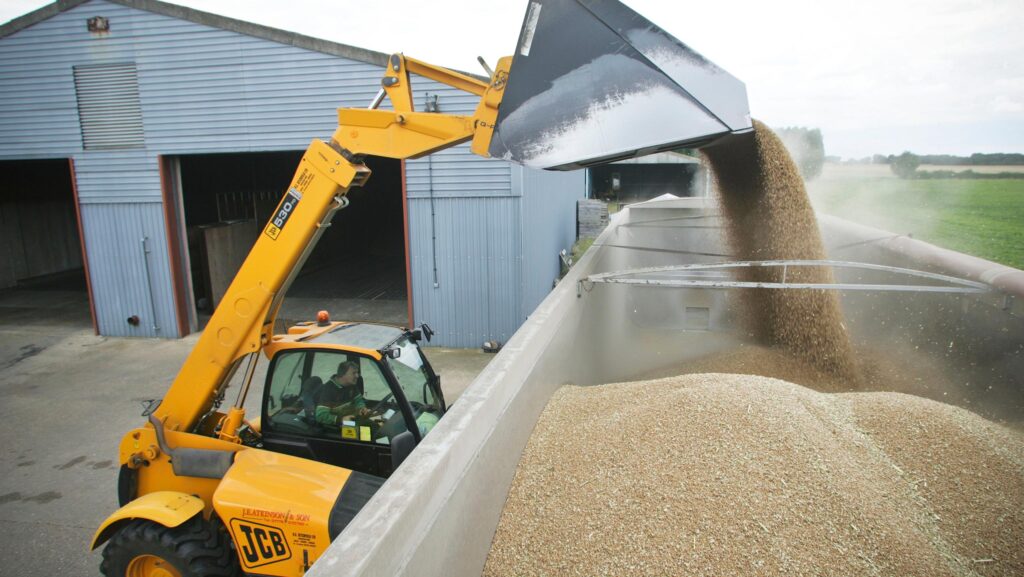 © Tim Scrivener
 Farmers and growers demanded sweeping reforms to grain contracts, haulage rules and intake testing during an NFU Combinable Crops breakout session that exposed what delegates described as “deep mistrust” in the cereals supply chain.
The 70-minute discussion at the NFU annual conference in Birmingham, chaired by Farmers Weekly chief reporter Philip Case, focused on the union’s response to Defra’s consultation on fairness in the combinable crops sector.
See also: NFU seeks sampling improvements in future grain contracts
Some 914 submissions were received before it closed earlier this month – more than 90% from farmers – a level the NFU said underlined the scale of concern.
AIC No.1 contract under fire
A central focus was the AIC No.1 contract, which underpins most off-farm grain sales.
NFU combinable crops senior policy adviser Luke Cox argued that while it is intended to provide transparency, grain merchants frequently overwrite it with their own purchase terms or bind growers to unseen end-buyer conditions
The force majeure clause also drew criticism, with Mr Cox noting it does not cover extreme weather events affecting farmers.
“It doesn’t include things like the extensive flooding that we’ve seen across the UK,” he said.
NFU Combinable Crops Board chairman Jamie Burrows said Defra officials had been “quite shocked” when farmers outlined the scale of their concerns.
Sampling ‘opaque’
Sampling was repeatedly cited by growers as their biggest concern.
Once grain leaves the farm on a merchant-arranged lorry, growers lose visibility over the sample that determines payment.
“At the point the farmer loads that lorry, they have lost sight of that load, yet the basis they are paid is when it reaches intake,” said Mr Cox.
The NFU wants growers to be able to take a representative sample before or at loading, either as the payment sample or as the binding reference in any dispute.
Several farmers reported inconsistent intake results, even when loads came from the same shed.
A show of hands reinforced the point, with about two-thirds indicating they had seen two loads of the same grain, dispatched in quick succession, come back with different specifications.
Delegates also raised concerns about deductions being issued without warning.
Mr Cox noted that growers often do not know the claim structure before loading, leaving them unable to assess financial risk.

FW’s Philip Case (left) with Jamie Burrows, Matt Culley and Luke Cox at the NFU Combinable Crops breakout session © NFU
Real-time intake data ‘paramount’
Immediate feedback was described as a simple but transformative change.
NFU combinable crops board member Matt Culley said: “You should know the spec of that load as soon as it’s tipped.
“Immediate feedback of real-time data is absolutely paramount.”
Farmers argued that rapid notification would allow them to adjust subsequent loads and prevent a cascade of claims.
One attendee suggested filming the sampling process to improve transparency – an idea Mr Burrows said was worth exploring.
Haulage, liability and short notice
Vehicle cleanliness was another talking point. Growers said they should not be liable for contamination from lorries they did not book.
“The farmer isn’t booking that transport, so why is the onus on the farmer to make sure that trailer is clean?” one attendee asked.
Climbing trailers in the dark to inspect rolled sheets was described as unsafe and ineffective.
Contracts written “at buyer’s call” were also criticised.
Farmers said they can be required to load at very short notice, including weekends, and risk being deemed in default if they refuse a last-day request.
By contrast, when merchants fail to collect on time, loads are typically rolled into the following month for a £1-£1.50/t carry – a figure delegates said bears little relation to cashflow pressure.
“It doesn’t really help you when you’ve got a fertiliser bill,” Mr Culley noted.
The NFU is seeking minimum notice periods, defined collection windows for grain sold “as available”, and meaningful contractual compensation where collection deadlines are missed.
Next steps
Defra is expected to publish its formal response to the consultation in the coming months, possibly in April, with further engagement promised before any regulatory changes are introduced.