Potato markets under strain as supply outweighs demand
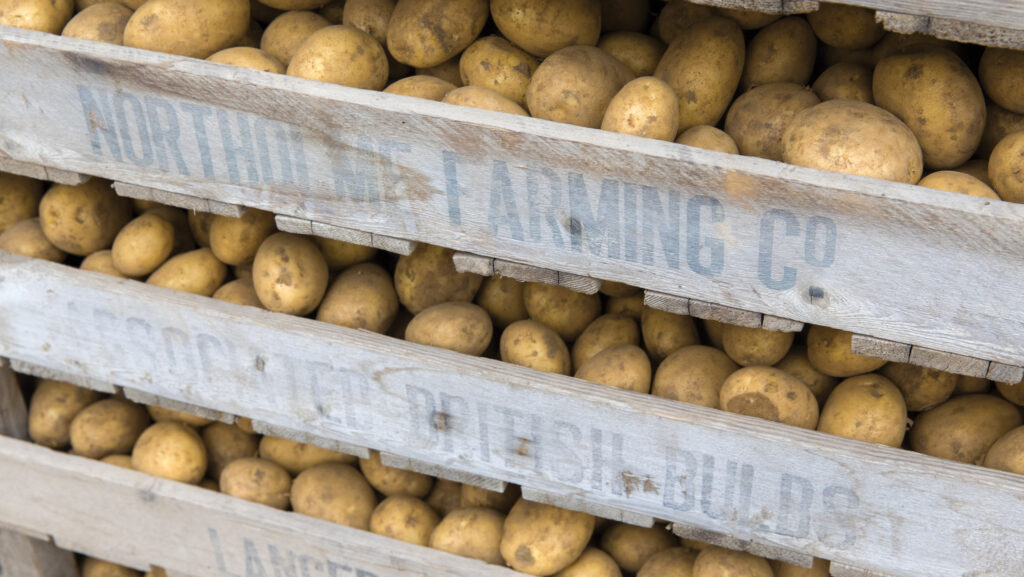 © GNP
© GNP Both domestic and European potato markets appear under increasing pressure, as subdued demand and ample supplies weigh on prices.
European potato futures have fallen sharply again, with prices slipping from €7.50/100kg (£65/t) at the start of the year to €2.30/100kg (£20/t) for the April 2026 contract.
The vast majority of potatoes continue to be sold on contract with little demand at all on free buy markets.
See also: Crop Watch: Stressed cereal crops and potato planting
Washed whites have typically been trading at between £260/t to £360/t for top quality product.
Sagitta has been quoted at £120/t, with the best quality achieving up to £180/t.
Defra’s Farm Business Income forecast for 2025-26 anticipates that lower farmgate potato prices, due to a “plentiful European crop and slightly lower yields”, could reduce total output for the sector.
Higher input and storage costs on farm may also disincentivise future plantings.
Netherlands-based price reporting agency DCA Market Intelligence said the European potato market is under pressure due to a significant surplus, forcing growers in some cases to pay for the disposal of their product.
The firm added that large supplies had led to a lack of market outlets, and low prices or even giving potatoes away for free had proven insufficient to reduce inventories.
Niels van der Boom, potato market specialist at DCA Market Intelligence, said: “Not everyone can store their potatoes for that long.
“Moreover, there is currently no outlook for market improvement. As a result, growers are deciding to stop incurring cooling costs.”
The North-Western European Potato Growers (NEPG) association has warned that growers need to reduce the total planted area in order for the crop to remain commercially viable, or producers will be forced to sell goods for below the cost of production.
NEPG also urged growers to be cautious when signing contracts.
It said although most fear a decline in volumes and focus solely on securing a contract, the new varietal and quality requirements must be fully understood by all, and producers should only plant what they expect to sell.