UK arable farms lose £828m because of extreme weather
 © Tim Scrivener
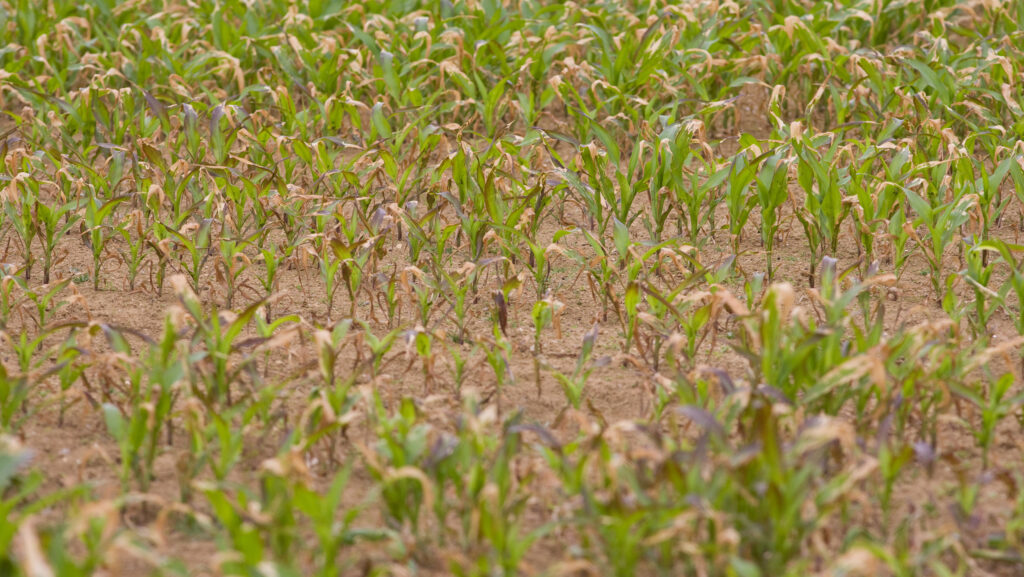
 UK arable farmers are facing an estimated £828m drop in revenues after one of the worst harvests on record.
This was driven by prolonged weather volatility across spring and summer compounded by lower prices.
New analysis from the Energy and Climate Intelligence Unit (ECIU) comes ahead of updated Defra figures expected next week, which will confirm provisional harvest estimates.
See also: MPs warn of support gap as growers’ aid scheme nears end
Tom Lancaster, land, food and farming analyst at the ECIU, said: “This has been another torrid year for many farmers in the UK, with the pendulum swinging from too wet, to too hot and dry.
“British farmers have once again been left counting the costs of climate change, with four fifths now concerned about their ability to make a living due to the fast changing climate.”
He added: “With confidence in the sector at rock bottom, there is an urgent need to ensure farmers are better supported to adapt to these climate shocks and build their resilience as the bedrock of our food security.
“Without reaching net-zero emission there is no way to limit impacts like this from making food production in the UK ever more difficult.”
The ECIU estimates the value of production for five staple crops at £3.4bn in 2025, based on current prices and expected yields.
This represents a 20% fall against the 10-year average, equivalent to £828m in lost revenue.
It follows major losses in 2024, when extreme winter rainfall prevented farmers from accessing waterlogged fields.
It also contributes to more than £2bn in lost income this decade, linked to severe weather.
Farmer experience
Essex arable farmer David Lord said: “With costs rising faster than prices, I’m not sure how many more years like this we can take as an industry.
“It’s getting to the point with climate change where I can’t take the risk of investing in a new crop of wheat or barley because the return on that investment is just so uncertain.”
He described green farming schemes as “a vital lifeline”, but said delays and closures had left farmers “locked out, unable to access the support they need to adapt”.
The findings come ahead of the publication of a government-commissioned review into farm profitability, led by former NFU president Baroness Batters, expected before Christmas.