RABDF warns of further producers leaving dairy sector
 © Tim Scrivener
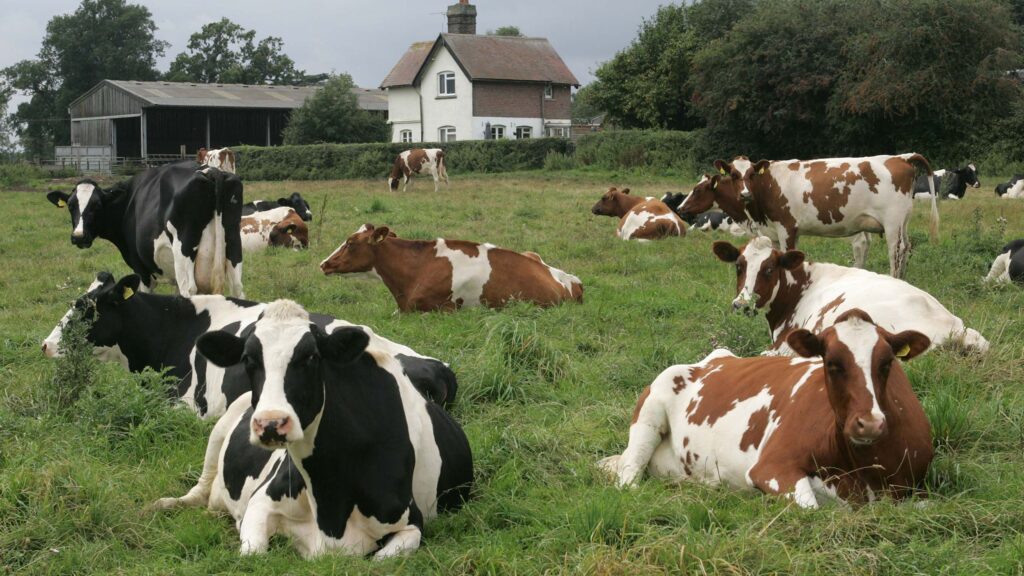
 The UK dairy sector is braced for further consolidation following a sharp fall in milk prices which has left many producers being paid less than the cost of production.
Robert Craig, a farmer and chairman of the Royal Association of British Dairy Farmers (RABDF), called the situation “serious” and said milk markets had been cyclical and were overreacting both on the way down and on the way up.
“The price will fall lower than is realistic and will also peak out higher than is realistic at the other end,” Mr Craig told a partner event at the Oxford Farming Conference on Thursday (8 January).
See also: Uplift at GDT auction offers hope amid falling milk prices
“It will average out, and the best businesses will come out the other end, but it will be brutal, unfortunately.”
He suggested that milk prices might not pick up again for some time and the dairy sector could potentially lose a further 500 to 1,000 producers during this downturn.
GB producer numbers have been in decline for many years and currently stand at roughly 7,000, compared with more than 10,000 in 2016.
Mr Craig says the financial signals for producers during the spring peak last year were to keep producing more milk.
“We had low feed costs, less production in Europe, New Zealand were dry,” he said.
“Then all of sudden we get to the end of the year, Europe picks up, feed is still cheap, New Zealand gets off to a great start and the world is awash with milk – and is still awash with milk.”
Cow numbers
The GB milking herd fell to its lowest level on record, at 1.63m head, as of October 2025, according to the AHDB.
However, total milk volumes continued to be high due to higher yields per cow.
Soumya Behera, senior dairy analyst at the AHDB, said: “With milk prices now falling and commodity prices under pressure, farmers are likely to remove older and underperforming cows over the coming months and take advantage of strong cull cow prices.”
Premiums for regenerative practices
A longstanding partnership between First Milk and Nestlé has allowed a pool of roughly 80 milk producers to receive a premium for farming using regenerative practices.
Mark Brooking, chief impact officer at First Milk, told the meeting: “Our aim is to get every single member earning over and above our standard litre price.”
The partnership has been going for more than 20 years and Mr Brooking said it was often paying 10% higher for these pools.
Emma Keller, head of sustainability at Nestlé, added: “It’s about long-term partnership, long-term contracts, stability and consistency.
“Where milk prices have crashed before, we actually committed to paying a higher price, recognising that we depend on these milk pools to make our products.
“We are riding out another storm now.
“We are seeing that the resilience we have invested in over the last five to 10 years is helping these farmers ride these storms.”