Non-stun slaughter in spotlight as petition tops 100,000
 © Tim Scrivener
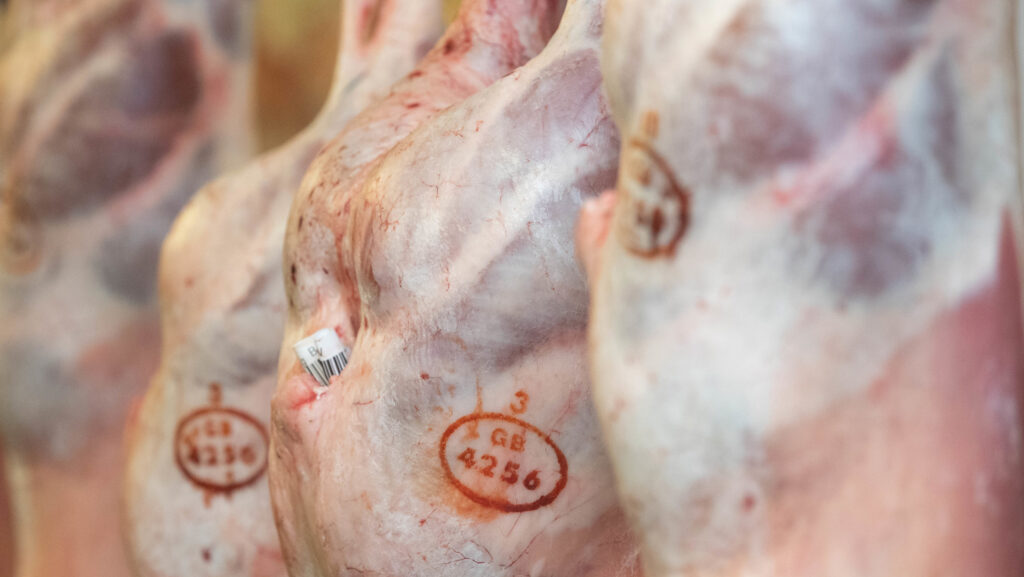
 Pressure is mounting for a review of the labelling of meat from animals slaughtered without pre-stunning, with a recent petition having attracted over 108,000 signatures – enough to trigger a parliamentary debate.
The petition, drawn up by Caithness-based campaigner Martin Osborne, is seeking clear and mandatory labelling as to the method of slaughter throughout the food chain – including supermarkets, butchers, schools, fast food outlets and other restaurants.
See also: Halal lamb: ‘A market farmers can no longer ignore’
“At the moment, it can be difficult for consumers to know the exact method used for the meat they buy,” said Mr Osborne.
“Whether someone prefers stunned meat for animal welfare reasons, or seeks specific religious certifications, transparency is key to respecting those choices.”
Mr Osborne told Farmers Weekly he had little confidence an outright ban on halal or kosher meat was achievable.
“It is clear that Labour does not want to infringe on the rights of Muslims and the Jewish community,” he said.
At least labelling would prevent suppliers from “sneaking” non-stunned meat into the food chain.
“As a Christian, I do not want to be eating that. I believe that if the Muslims and Jews have a right to eat halal and kosher, then I have a right not to eat it,” he said.
Quality assurance
But, according to AHDB senior sector manager Awal Fuseini, it is already possible to make that choice.
“Just look for the RSPCA or Red Tractor label,” he said. “Even though there is no legislative requirement to label products, they require pre-stunned meat only.”
Mr Fuseini conceded there were logistical challenges with labelling when it came to food service and food processing, but consumers could still ask for details of how an animal was slaughtered.
“Many non-Muslims go to restaurants knowing the meat is halal, knowing it may be non-stunned, and consume it willingly,” he added.
Mr Fuseini also pointed to the development of the “stun to recover” protocol, where many halal authorities allow the use of stunning, so long as the animal is not killed by the process.
Differentiation
However, Mr Osborne complained that even if supermarkets did differentiate between stunned and non-stunned meat, they did not distinguish between conventionally stunned and halal stunned.
“They’re both being sold as ‘normal’ meat, so we are not getting the choice we deserve,” he said.
Mr Osborne suggested a simple colour-coded system that would show clearly on packs and restaurant menus exactly which method of slaughter was used, so consumers could choose whether to eat it or not.
Government response
While the government is now obliged to hold a debate on the issue, a statement explained that there is no regulatory requirement for labelling of meat according to slaughter method.
“The government encourages the highest standards of animal welfare at slaughter and would prefer all animals to be stunned before slaughter, but we respect the rights of Jews and Muslims to eat meat prepared in accordance with their religious beliefs,” it said.
Defra pointed to a previous labelling consultation, which suggested providing details on the method of production on farm and whether to extend this to point of slaughter as well.
The government is still considering this as part of its animal welfare strategy.
How big is the halal market?
- 72% of sheep in England and Wales are slaughtered using halal processes
- Around two thirds of these use “stun to recover” methods, and one third “non-stun” methods
- 4% of cattle and 5% of calves are halal slaughtered
- Muslims make up 6.5% of the population, but eat 20% of the lamb
- The overall halal meat market is worth about £2bn in the UK
Source: Food Standards Agency and AHDB