

Sporting rights and changes in land use – what to consider
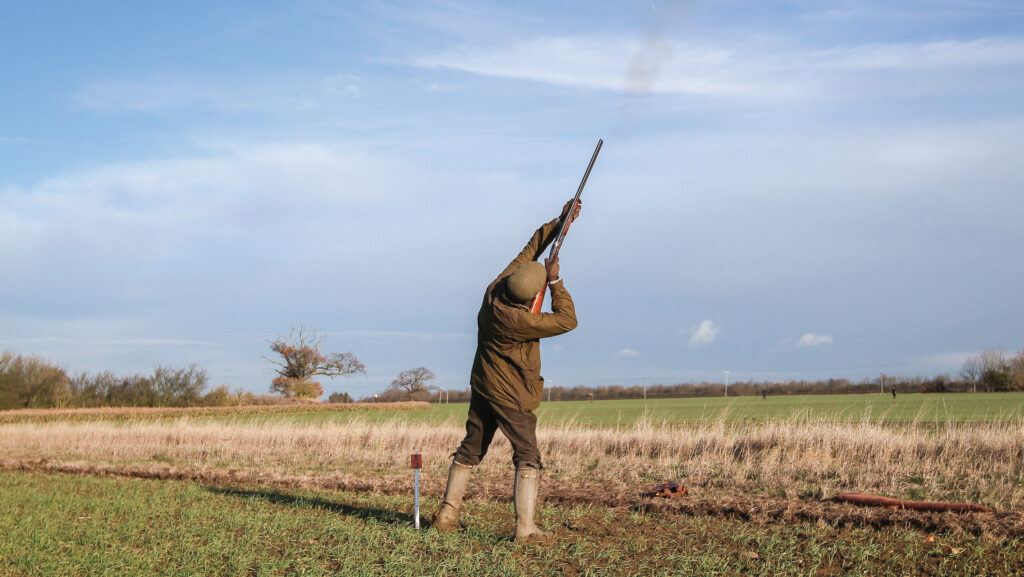 Sporting rights cannot be transferred from one piece of land to another © GNP
 Issues can arise where development is planned on farmland when the sporting rights are owned by or let to a third party.
In some cases a cash payment is made to the sporting rights owner or lessee to compensate them for giving up those rights.
Marcus Thorpe, head of agriculture and rural property at law firm Trethowans, is advising on a case where sporting rights are being given up and new rights established in their place on an alternative parcel of land.
See also: Sporting rights on farmland: how to avoid legal issues
Sporting rights attach to a specific parcel and when owned by a third party they have a separate title which sits alongside the freehold title to the land at the Land Registry, with a separate title number.
That title cannot be transferred from one piece of land to another so, in the case outlined above, the original rights will be given up on a back-to-back agreement whereby the new rights take effect at the same time as the original rights are surrendered to the landowner.
Where a transaction such as the one outlined takes place, Marcus suggests that the freeholder may want to obtain the right of first refusal to buy back the rights should their owner want to sell in future.
Sale of third-party sporting rights
“Unless there is an agreement to this effect, sporting rights owned by a third party can be sold on with no reference to the owner of the land over which the rights sit, which could cause problems, depending on who the buyer might be,” he says.
“The freeholder might in the past have had amicable arrangements with the person exercising the sporting rights; but after a change of ownership, the arrangements could become fractious.”
Gaining planning permission and then progressing the development itself can take many years, and incur significant cost, so one route is for a landowner to seek an option to regain the rights from a third party, if the planning is successful, allowing the holder to continue using them if not.
“This way, the landowner can be sure of getting the rights back so on a sale for development, the developer can be assured that they will get clean land, free of the sporting rights,” says Marcus.
Land transactions, land uses and rights
Complications linked to sporting and other rights owned by a third party could grow as clashing land uses, such as conservation and recreation, become more popular.
Where third-party rights conflict with the intended land use, the usual approach will be to terminate the rights through a cash payment.
In the case of development land, this could be a substantial sum, based on the value of the land or a percentage of the uplift in value caused by the development.
Mineral rights
Third party mineral rights ownership can also block or at least stall development, whether for housing, solar or other purposes, usually leading to the need for payments to release the mineral rights.
Often, says Marcus, there can be difficulties tracing the ownership of the mineral rights if they are not separately registered.
That can kybosh development entirely, unless the risk of mineral exploitation can be insured against with a specialist policy.