Farm bluebell walk raises millions for charity
 © Adobe Stock
 An East Sussex farming family’s one-off fundraiser has blossomed into one of the region’s most enduring rural charity events, now celebrating more than 50 years of success.
What began in 1972 as a simple effort to raise £100 for a village primary school swimming pool has grown into the Arlington Bluebell Walk, attracting more than 20,000 visitors annually and generating over £1.1m for good causes.
Retired sheep and turkey farmer John McCutchan, now 89 and a member of the NFU, continues to play an active role in organising the event at Bates Green Farm near Polegate.

John McCutchan © Justin Lycell
See also: Farmers take on ‘mad’ 900-mile route with vintage tractors
John and his late wife Carolyn initially opened their ancient woodland for a single weekend, but strong public demand quickly turned the idea into an annual tradition.
“We never expected our bluebell walks to become what they have when we started out,” he said.
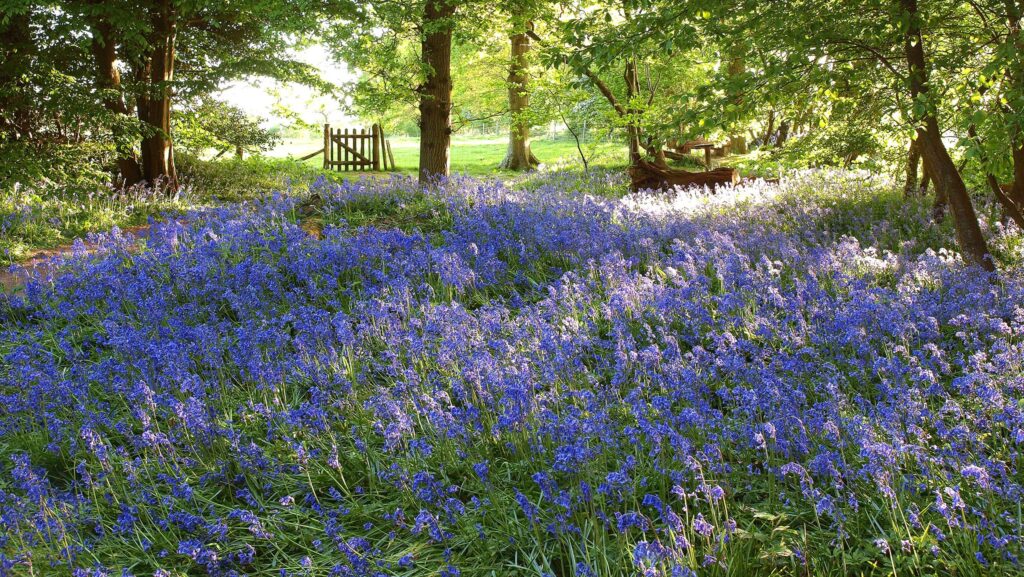
Bluebells at Arlington © Pete Goldsmith
The 24-acre Beaton’s Wood now welcomes visitors each spring to enjoy carpets of native bluebells, while also highlighting their environmental importance, from supporting pollinators to stabilising soil.
The event has supported 89 charities over the years, with 25 taking part in 2026, each helping to run the day-to-day activities.
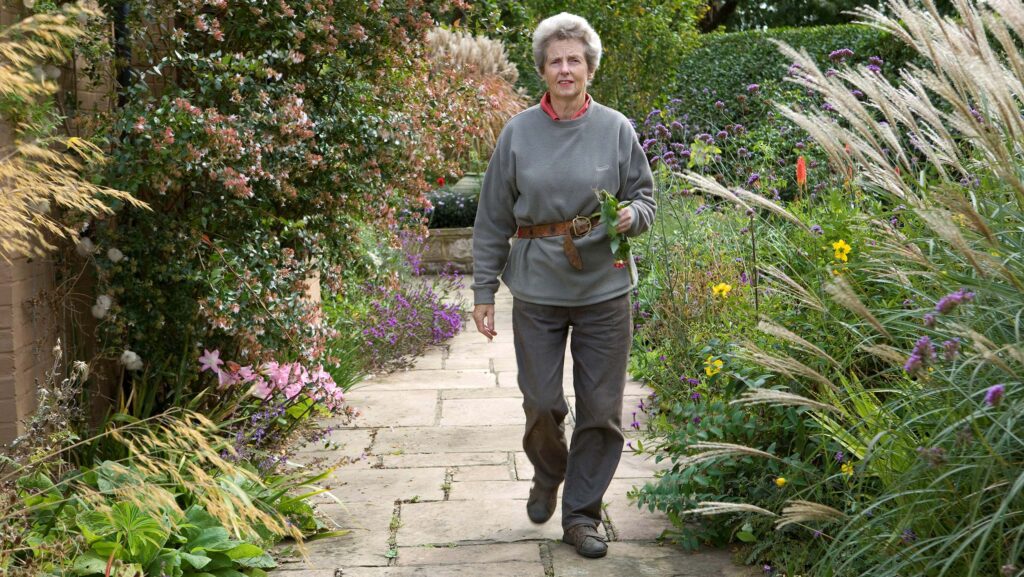
Carolyn McCutchan © Marianne Majerus Garden Images
The walk stands as a lasting tribute to Carolyn, who first conceived the idea and died six years ago.
A commemorative weathervane at Arlington Village Hall honours her legacy.
With a charitable trust being established to secure its future, the Arlington Bluebell Walk continues to demonstrate how farm diversification and community spirit can deliver long-term benefits for both rural landscapes and local causes.
8 practical tips for opening your land to the public
- Start small and test demand Begin with a limited event such as a single open day or seasonal attraction. This allows you to gauge interest, identify challenges and build confidence without overcommitting resources.
- Prioritise safety and insurance Carry out a full risk assessment covering livestock, machinery, uneven ground and public access routes. Ensure you have appropriate public liability insurance in place before opening your gates.
- Create clear visitor routes Designate well-marked paths to protect both visitors and your land. Temporary fencing, signage and stewards can help keep people safe while minimising disruption to your farming operations.
- Work with local organisations Partnering with charities, schools or community groups can help share the workload and increase footfall. Groups can assist with parking, refreshments and visitor engagement.
- Provide simple facilities Basic amenities such as parking, toilets and refreshments make a big difference to the visitor experience. Start with essentials and expand as demand grows.
- Tell your farming story Visitors value understanding where their food comes from. Use signage or guided walks to explain your enterprise, environmental work and conservation efforts.
- Protect your environment Manage footfall to avoid damage to crops, soils and sensitive habitats. Seasonal timing is key – choose periods when land is less vulnerable.
- Plan for the long term If successful, consider forming a small organising group or trust to help sustain the initiative and spread responsibility.