Farming families and the future of foster care
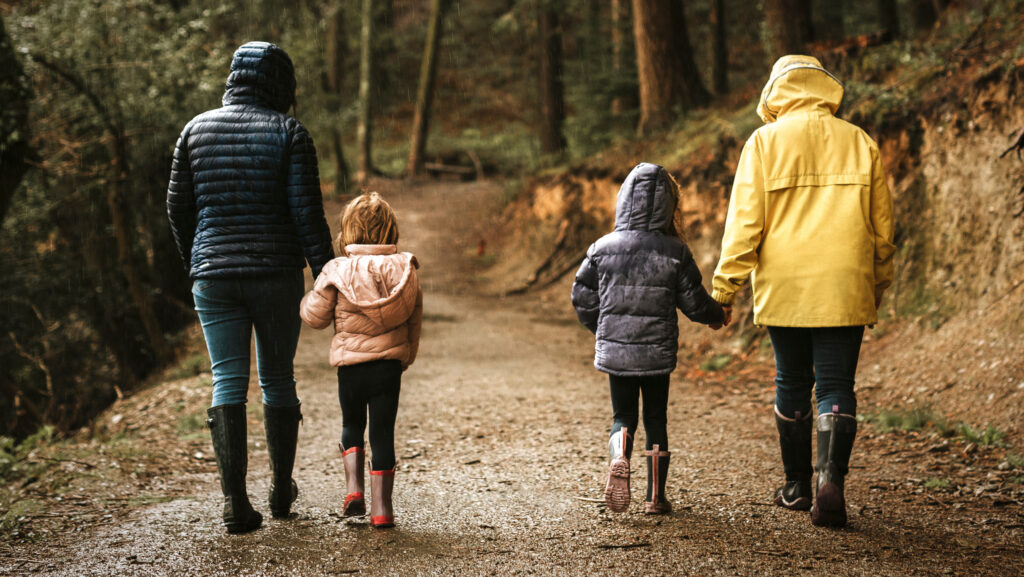 © Adobe Stock
 Farming families can play a valuable role as foster carers, according to Ollie Roberts, a social worker and mixed sheep and cattle farmer in north Pembrokeshire.
For more than a decade, Ollie has worked for the National Fostering Agency Wales, supporting foster families and observing national trends unfold at local level.
The number of fostering households in England has decreased steadily each year since 2021, and during the most recent reporting period – 1 April 2024 to 31 March 2025 – the downward trend continued.
See also: Double lives of women farmers revealed through photo project
“The combination of social work in fostering and farming gives me a unique insight into the challenges and strengths of farming families.
“I firmly believe that farmers are ideally placed to provide loving, stable homes for children in need,” says Ollie.
Farming families ‘falling by the wayside’
As the national decline continues, Ollie notes a specific drop within rural and agricultural communities.
“Historically in Wales, we have had a few farming and smallholder families that foster, but they seem to be falling by the wayside, and there seem to be fewer farming families who are signing up to foster,” he says.
With more than 12 million children and young people under 18 in England and just under 400,000 (3%) in the social care system at any one time, the pressure on fostering services remains substantial.
At the start of the latest reporting period, about 83,600 children were looked after, with about 56,400 placed in foster care.
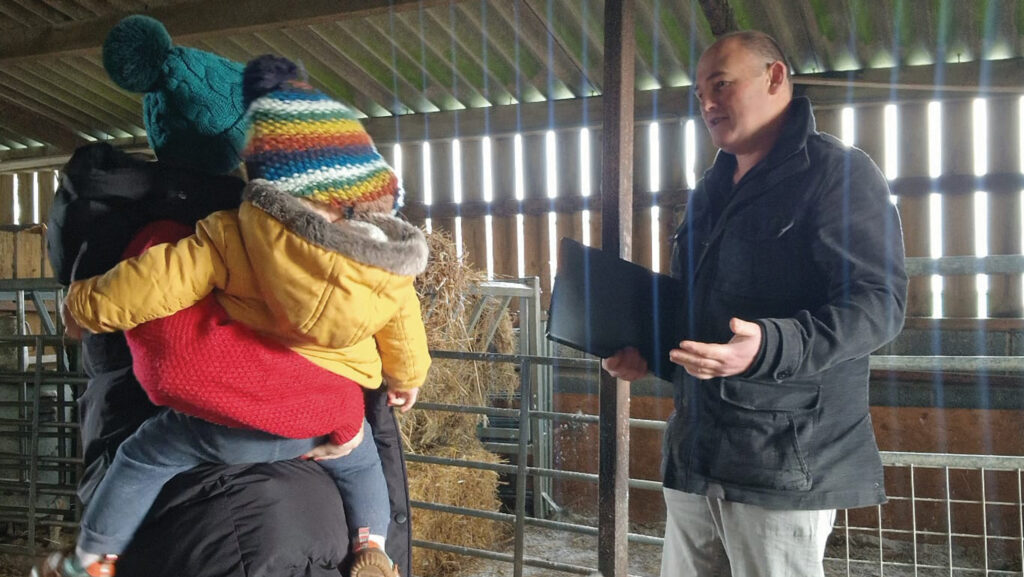
Ollie Roberts chats to a mother and child on farm © Ollie Roberts
Within that landscape, Ollie suggests that farming homes offer something particularly valuable.
“Farming families are often earthy, practical, realistic, used to making decisions, caring, and know what is going to work best when it’s crunch time,” he says.
Ollie describes farmers as “hard-working and resilient”, qualities he says are essential when caring for children who have often experienced instability.
The ongoing loss of fostering households – 12% of approved households resigned last year – makes the potential contribution of new foster families increasingly important.
Fresh air, routine and space
For Ollie, one of the most striking advantages of children and young people living within a rural home is the environment itself.
“Rural areas can provide something unique and increasingly rare: fresh air, an outdoor lifestyle, living with animals, even if it’s farm dogs and cats, and seeing where your food comes from,” he says.
He believes these spaces offer opportunities not readily available in more densely populated areas.
“They offer opportunities for children to go walking, climbing, and have a bit of rural farming and traditional life. It’s unique and a great opportunity for kids who need support and a safe space.”
Case study: A Pembrokeshire smallholding
In Pembrokeshire, Catherine and Nicky Roberts (no relation to Ollie Roberts) have experienced first hand how farming life can support children and parents in foster placements.
The couple have lived on their smallholding for 25 years, maintaining various livestock over time, with Nicky working on a large dairy farm nearby.
Catherine, a former chef, remembers proposing fostering when she changed careers.
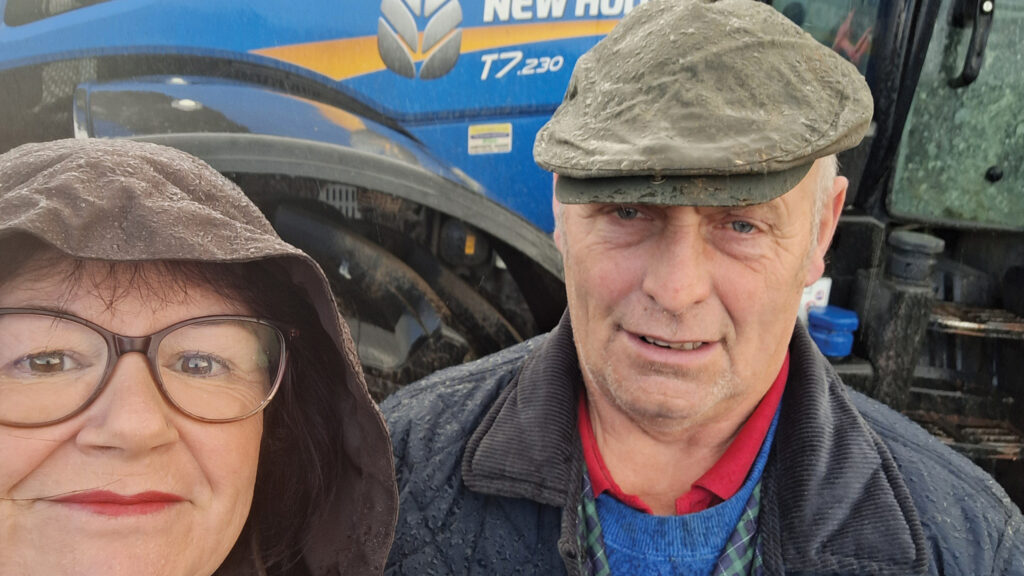
Catherine and Nicky Roberts © Catherine Roberts
“I suggested to my husband, ‘What about fostering?’ and he said enthusiastically, ‘absolutely, let’s do it’,” she says.
They began fostering children and young people, before moving to a specialist type of fostering, where a parent is supported to overcome gaps in their knowledge and experience and feel more confident in their parenting abilities.
“I find it so rewarding; a lot of them stay in touch, and you can watch them grow up. I didn’t realise how nurturing I was until I started fostering,” Catherine says.
“We just wanted to give something back; our children had left home, and I wanted to help out because I could.”
A role shaped by agricultural routine
The timing of farm work helps make fostering possible for them.
“Because Nicky milks in the early hours of the morning, he is around a lot of the day and can help with breakfast and be around to support, so it works really well for both of us,” Catherine says.
She also notices the impact of the countryside on the families placed with them.
“Being in the countryside is a massive bonus; often, people who come from the cities have never been out to the countryside, and they love the peace and quiet and can find time to pause and reflect, which is so good for them,” Catherine says.
“It’s just like having another family member; you just welcome them in.”
Catherine says rural communities are perfect for fostering. “The countryside teaches them about how to be calm and free and enjoy the outdoors.”
Families staying with them learn practical skills as well as enjoy the outdoor space.
“They learn so much about where their food comes from and where it is grown… they go out and enjoy collecting eggs,” she says.
“First thing I do is head out and buy them some wellies and a decent coat for the countryside.”
Catherine encourages other rural families to explore the possibilities.
“Look into it because fostering is ideal and fits in with the rural family perfectly,” she says. “It’s the best job I’ve ever had. I absolutely love it.”
Encouraging more farming families to come forward
With the number of fostering households reducing each year, Ollie hopes there is untapped potential in rural communities.
“For lots of people, it could work really, really nicely,” he says.
“Give me a ring on 07587100784 or call your local foster agency if you are even a little bit intrigued.”
He acknowledges that there is financial support available, but stresses there is more to it.
“We pay a competitive weekly amount, but there is more than that; you are giving something back to the children and their wider family by raising them and showing them care and support.
“There is something lovely about that.”
To learn more about fostering, visit the National Fostering Agency’s website at nfa.co.uk