Tick risk warning for Easter farm visitors
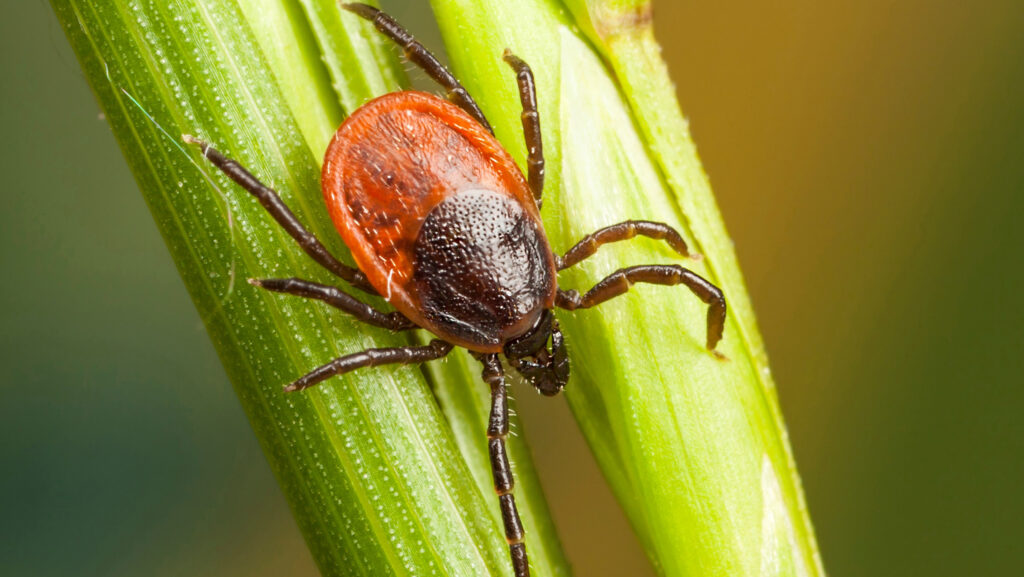 © Adobe Stock
 Families visiting farms this Easter are being urged to follow hygiene advice and remain tick aware, as health officials warn of increased infection risks.
Data from the UK Health Security Agency (UKHSA) shows most farm-linked illness outbreaks occur in the spring.
In 2024, 24 outbreaks of cryptosporidiosis linked to lambing events or petting farms were investigated, with 21 recorded between March and May, coinciding with peak visitor periods.
See also: Two drugs impress in calf cryptosporidiosis trial
Farm animals can carry bacteria and parasites, including Cryptosporidium parvum and E. coli O157, which can spread through contact with animals, droppings or contaminated surfaces.
Young children, pregnant women and immunocompromised individuals are considered most at risk.
Farm visits
Jennifer Taylor, health protection consultant at the UKHSA South West, said: “Farm visits are enjoyable and educational, particularly for children.
“But they do carry a risk of picking up infections from animals or the farm environment.
“Some of these infections can be more serious for young children and pregnant women.
“Infections can be picked up from the animal’s body, its droppings, or from areas where animals are kept or have recently been.
“If germs are on your hands, you could accidentally transfer them to your mouth without realising, as hands look clean even when they are not.”
Visitors are advised to wash their hands thoroughly with soap and warm water “immediately” after touching animals or their surroundings, before eating, and at the end of their visit, and farmers should provide suitable facilities.
Visitors are also advised to clean footwear and pushchairs before leaving farms and to wash their hands again afterwards.
Open Farm Sunday
Annabel Shackleton, Open Farm Sunday manager at Linking Environment and Farming, said: “We want people to continue enjoying and learning from farm visits safely.
“The key is thorough handwashing with soap and running water immediately after touching animals or their enclosures, and always before eating.”
UKHSA also warned of tick activity, particularly between April and July, which is related to the spread of lyme disease.
In 2024, 1,581 laboratory-confirmed cases were reported in the UK, including 239 in the South West.