OPINION: The magic of country shows explained
As another Northumberland show season draws to its close I am finally beginning to understand why our shows still go on and indeed are thriving.
I should explain that I wasn’t brought up attending shows. Firstly, there weren’t any in our immediate vicinity, secondly, we didn’t sell breeding stock so there was no business reason to participate and thirdly, my family preferred to go to the races.
However, since we took up residence in the hills, I have become what they describe in ecclesiastical circles as a ‘regular attender’.
I think I learnt from Time Team that the urge for people to meet up periodically on some bit of ground, erect some temporary structures such as tents, eat, drink, buy things and drop detritus on the ground to excite future archaeologists stretches back to the ancient Britons. It should therefore be no surprise that Britons, ancient and otherwise, continue the tradition to this day through agricultural shows.
However, looking at it objectively, many aspects of shows are simply absurd and shouldn’t work.
Let’s start with shopping. Would a tent in a grass field miles away from the car park normally be considered the ideal place to go shopping? No, but people come to buy every year.
Then consider the showing itself. Virtually every category of exhibit requires an amount of effort, time and, in some cases, cost by the exhibitor which bears no relation to the potential reward either in monetary terms or prestige.
Of course I’m sure it’s very pleasing to win the title of best fruitcake and £3, but it doesn’t cover the cost of labour and materials even if you win, and it is going to sit on display, open to the flies all afternoon before you can take it away and contemplate eating it.
Clearly, the shows can provide livestock exhibitors with a shop window to advertise the type of animals they are producing. But apart from having winners at the very top shows, does this really make any difference? It seems to me that breeders’ reputations are made over decades elsewhere.
In fact, if you ask people why they have entered, many of them say “to support the show”. For others, particularly in the livestock and horse classes, it is about spending a day with like-minded enthusiasts and being able to talk horse/sheep/goat safe in the knowledge that no-one will roll their eyes, yawn or try to edge away.
Then let’s consider the thing that is nominally meant to attract people to attend – the main ring entertainment at the larger shows. This mainly seems to comprise lads showing off on motorbikes or doing something else anti-social with other vehicles. If it came on to your TV you would switch channels and if it was happening in your back lane you would probably ring the police. In the context of a show, you’ll make an effort to watch, but are visitors specifically attending to see them? Most people seem to be there for a pleasant day out and to support the event.
For me, the best events, such as Glendale Show, are successful and thriving because the whole is greater than the sum of the individual parts. Organisers, stewards, members, participants and visitors share the feeling that they are all, in their own way, part of a community enterprise and being part of something is widely recognised as making you feel happy.
So, when I’m asked if I’ve enjoyed my day, I always end up saying it was great. See you next year.
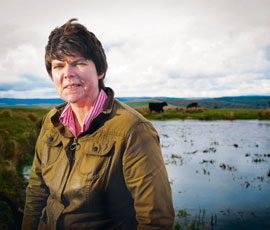
Elizabeth Elder and her husband Jake run sheep and cattle on 235ha of hill ground on the Otterburn Firing Range in Northumberland.
Do you have a view on this topic? Have your say on our website forums.