Will’s World: Staying alive – the first rule of farming
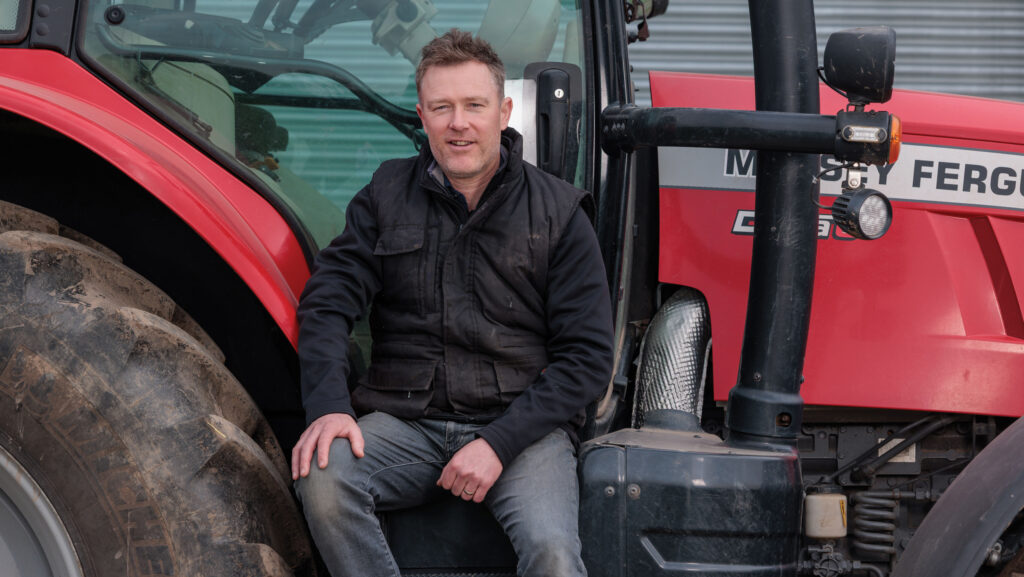 © Lee Boswell Photography
 Like many middle-aged farmers who’re lucky enough to still have their old man around, I sometimes worry about mine.
Not because he’s losing his marbles yet, you understand.
Rather, the fact that he’s an unapologetically gung-ho 1970s-generation man whose attitude to health and safety can be described as laissez-faire at best, openly hostile at worst.
See also: How integrated data systems could transform livestock farms
About the author

Imagine a cross between Burt Reynolds’ loveable rogue in the 1977 classic Smokey and the Bandit and DCI Gene Hunt, the shoot-first-and-ask-questions-later 1970s copper from the time travel epic Life on Mars, and you won’t be far off.
As the saying goes, you can’t teach an old dog new tricks, and he won’t be changing anytime soon.
In fairness, he does wear a hi-vis jacket sometimes, but that’s only because he picked it up for free somewhere and isn’t one to look a gift horse in the mouth.
And that’s enough idioms for one week.
Heebie Bee Gees
The thing is, though, what would I do if he or I got seriously hurt, and no one else was around to help?
I’ve done a bit of first aid training over the years, but the only thing I ever remember is to do CPR to the tune of the Bee Gee’s “Stayin’ Alive”, and even that’s probably out of date by now.
I shudder to imagine myself being on the ground, gasping for breath, and the look of blank incomprehension on the face of one of my smartphone-generation numerous daughters as I struggle to tell her she should be trying to save my life with a disco classic she’s heard of.
“You know – flares! Gold chains! Chest hair! White teeth!” Staying alive? I don’t think so.
Pitch pain
With ambulance waiting times where they are, I don’t fancy our chances there either.
At the start of the current rugby season, we had a 13-year-old opposition player whose foot ended up facing backwards after a freak injury.
Despite the fact that she was in agony and we were advised not to move her off the pitch; despite the freezing, driving rain; and despite the rugby club being less than three miles from the hospital, it was over six hours before the paramedics arrived.
In the meantime, we used a bit of farmer ingenuity by putting a gazebo over her and building walls around it with tackle pads and post-protectors to keep the weather out.
Thankfully she’s on the road to recovery after a few days in hospital. Still, I think we can all agree it was less than ideal for the poor kid.
Platinum 10
Thankfully, help is at hand in the form of a smartphone app too.
In June this year, Rabi is launching a free service, FarmersAid, aimed at strengthening emergency preparedness in the farming community.
It isn’t a replacement for 999, but the app will provide real-time step-by-step guidance for the 10 most common types of farm accident.
Clinicians often describe the first few minutes after an accident as “the platinum 10 minutes”, and the app is designed for that critical time when emergency services have been called but are still potentially several hours away and inexperienced family members and bystanders are often thrust into the position of first responders.
I believe the app will also include plans for on-farm critical care kits, training pilots, wellbeing referrals and educational programmes throughout the agricultural sector.
We all know someone who’s been critically injured, or killed, in a farm accident, so anything that actually does keep us “staying alive” should be warmly welcomed.