Alice Littlewood: Farmers need to show what they’re fighting for
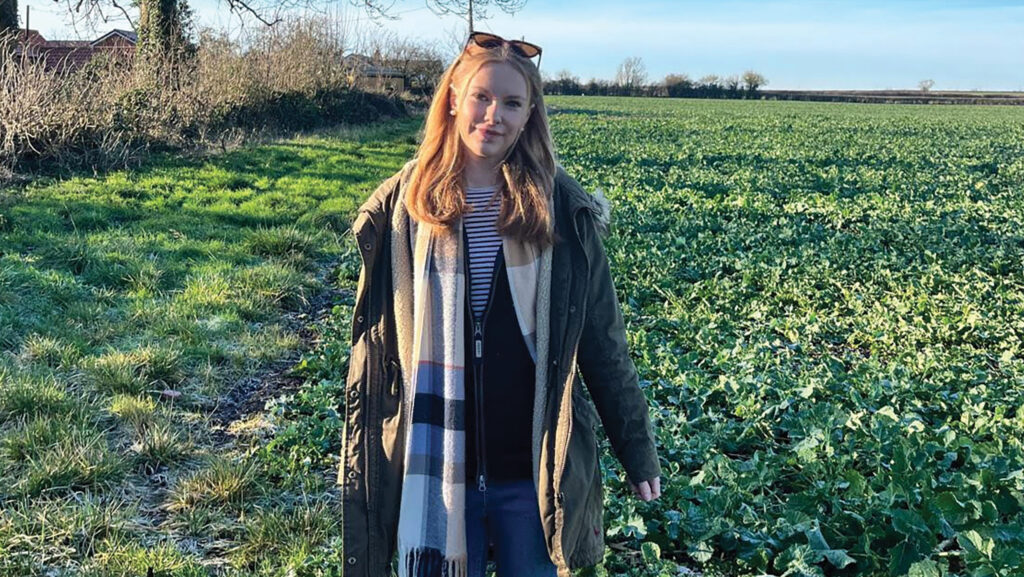 Alice Littlewood © Alice Littlewood
 Until recently, the contact most people in the country had with farming was limited.
Being stuck behind tractors on roads, photos in supermarkets of “British produce” – where all the farmers are in freshly ironed shirts and driving shiny new tractors – and the odd news story about farmers protesting new legislation that the general public is unaware of and unaffected by.
Farming in film and media is still a Jane Austen-esque concept, with far-from-reality, well-spoken characters who never actually seem to do any farming.
See also: Emily Lees – resilience is lived rather than taught on farms
About the author

It’s understandable the general public viewed the agricultural community as slightly elitist, entitled and living in a fairy tale rural bliss.
The change seems to have resulted from social media. We have recently seen an increase in engagement with content showing the real-world version of farming.
From influencers filming “day in the life” videos, to popular trends fascinating viewers, young people especially have been exposed to a different side of farming.
Dairy farmers posting videos milking cows while the nation sleeps. Agricultural engineers and mechanics showing restoration work on machines.
Arable farmers explaining the delicacy of harvest and moisture points in minute-long, accessible videos designed to pique interest and educate without lecturing.
Such things are appealing to the same audience that would otherwise have no insight into the industry.
It’s already started to make a difference. Even in the time I’ve been at school, the conversation of “what do your parents do?” has changed.
When I was in the younger years, kids’ responses to my answer “farming” was clearly a reflection of their parents’ negative stereotypes: always complaining about the weather, hereditary wealth, easy lifestyle.
Now, it’s a response of genuine interest – “Oh yeah, I saw a Harriet Cowan video like that on TikTok”, or “What, like Kaleb Cooper?”, and Clarkson’s Farm is almost always referred to.
We’re hoping to encourage people to buy British, to respect the countryside and to understand the implications that political legislature has on the industry.
By showing people what it is we’re fighting for, there’s a far greater chance of them being willing to support British agriculture.